


Commercial Losses in MA RI CT and ME State by State Claims Guide Alfred Smith CPCU Claims Services
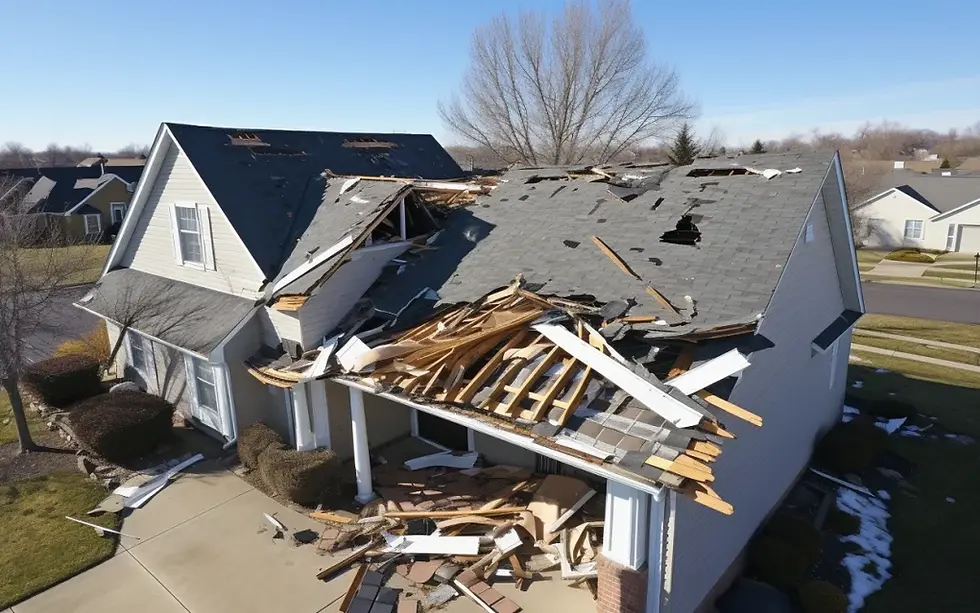
A serious commercial loss rarely stays simple. A burst pipe can become a business interruption claim. A roof claim can turn into a code upgrade dispute. A coastal storm can leave a business owner sorting through property damage, lost income, extra expenses, tenant issues, and questions from the carrier.
That is why commercial losses in Massachusetts, Rhode Island, Connecticut, and Maine need a careful state-by-state approach. The region may be compact, but each state brings different weather risks, building stock, local practices, and claim pressure points.
Alfred Smith CPCU Claims Services is a needed resource for businesses, property owners, contractors, landlords, and professionals who need clear claim guidance after a loss. The goal is simple: help document the damage, understand the coverage issues, and move the claim forward with the right information.
Why commercial loss claims in New England are different
New England commercial claims often combine old buildings, dense neighborhoods, coastal weather, winter conditions, and tight operating margins. A loss can affect the building, the business, tenants, vendors, inventory, equipment, and customers all at once.
Common commercial losses include:
Fire and smoke damage
Water damage from pipes, sprinklers, roofs, and storms
Wind damage from coastal systems and nor’easters
Snow, ice, and freeze-related losses
Equipment breakdown
Theft and vandalism
Business interruption and extra expense
Liability claims connected to premises conditions
Builder’s risk and construction-related losses
The claim outcome often depends on the first steps. Good documentation, timely notice, accurate estimates, and a clear understanding of the policy matter. So does knowing how the loss fits the local setting.
A commercial property in Boston does not present the same claim picture as a marina in Rhode Island, a mixed-use building in Connecticut, or a seasonal hospitality business in coastal Maine. The policy language may look similar, but the facts can change the claim.
A quick comparison of commercial loss issues by state
State | Common commercial loss concerns | Claim details that need attention |
Massachusetts | Urban property damage, winter losses, fire, water damage, business interruption | Older building systems, code issues, tenant disruption, lost income records |
Rhode Island | Coastal wind, water intrusion, hospitality and marine-related losses | Flood exclusions, wind deductibles, seasonal revenue, inventory documentation |
Connecticut | Storm damage, roof claims, retail and industrial losses, water damage | Multi-location claims, equipment loss, lease obligations, income tracking |
Maine | Freeze losses, snow load, coastal storm damage, seasonal business interruption | Remote site access, heating systems, seasonal revenue, repair timing |
This table gives a broad view, not a substitute for policy review. Commercial insurance claims turn on the actual facts, the policy form, endorsements, exclusions, deductibles, and the proof submitted.
Massachusetts commercial losses need careful documentation
Massachusetts commercial claims often involve dense properties, older buildings, complex leases, and business interruption issues. Many commercial buildings in Boston, Worcester, Springfield, Lowell, New Bedford, and smaller cities have layered histories. Renovations, additions, shared walls, mixed uses, and aging systems can all affect a claim.
Water losses are common. A burst pipe in a restaurant can damage flooring, walls, refrigeration equipment, stock, and tenant improvements. A sprinkler discharge can affect several floors. A roof leak can trigger disputes over whether damage came from a covered event, wear and tear, or long-term maintenance.
Fire claims can be even more complex. Smoke can travel far beyond the burn area. Electrical systems, HVAC, food inventory, medical supplies, documents, and specialized equipment may need separate evaluation. If the business must close, the lost income portion of the claim needs fast, organized support.
Massachusetts claim issues to watch include:
Whether the policy covers building, business personal property, tenant improvements, or all three
How the policy treats code upgrades after a covered loss
Whether business interruption starts right away or after a waiting period
Whether extra expense coverage applies to temporary space, rentals, or emergency services
Whether multiple tenants or units create separate claim paths
Alfred Smith CPCU Claims Services can help structure the claim file from the beginning. That includes documenting the damage, reviewing the coverage position, keeping loss categories separate, and helping the insured avoid vague or incomplete submissions.
Rhode Island commercial losses often involve coastal exposure
Rhode Island’s size can be misleading. The state has significant coastal exposure, older commercial districts, hospitality properties, marine businesses, restaurants, and seasonal operations. A storm that brings wind-driven rain, roof damage, and water intrusion can create several coverage questions at once.
For many Rhode Island businesses, the biggest issue is separating covered water damage from excluded flood or surface water. A policy may treat wind, rain, sewer backup, flood, and storm surge differently. The facts matter. The timing matters. The source of water matters.
A waterfront restaurant, hotel, retail shop, contractor yard, or marina-related business may face damage to:
Building interiors
Outdoor equipment
Stock and inventory
Refrigeration and kitchen systems
Seasonal supplies
Signs, docks, fences, or exterior features
Customer access points
Commercial income claims can be especially sensitive in Rhode Island because many businesses earn a large share of revenue during a short season. If the loss happens before or during a peak period, the business needs clear records to show what income would likely have been earned.
Useful records may include prior year sales, booking reports, payroll records, vendor invoices, point-of-sale data, tax returns, and seasonal contracts. A strong file connects the loss to the financial impact without guesswork.
Alfred Smith CPCU Claims Services can help identify what the carrier needs and where disputes may arise, especially when wind, water, and income loss overlap.

Connecticut commercial losses can involve layered business operations
Connecticut commercial claims often involve a mix of retail, professional services, manufacturing, warehouses, apartment buildings, and mixed-use properties. Losses may affect more than one operation at the same location. A storm or fire can damage the building, equipment, tenant spaces, inventory, and customer access.
In Connecticut, roof damage and water intrusion claims deserve careful attention. Carriers often examine the age and condition of the roof, maintenance history, storm reports, and whether interior damage resulted from a covered opening. That does not mean the claim is not valid. It means the presentation needs to be detailed and well supported.
Commercial equipment claims also need precision. A production machine, HVAC unit, refrigeration system, medical device, or specialty tool may need expert evaluation. Replacement cost, repair cost, depreciation, lead time, and lost production can all become claim issues.
Connecticut claim files should clearly separate:
Building damage
Business personal property
Inventory
Machinery and equipment
Tenant improvements
Lost income
Extra expenses
Cleanup and mitigation costs
A common mistake is treating the claim as one large number. That can slow review and invite confusion. A better approach breaks the loss into supported categories. Photos, estimates, invoices, diagrams, repair notes, and financial records should tell the same story.
Alfred Smith CPCU Claims Services helps make that story clear. The work is not just about listing damage. It is about showing how the damage connects to covered property, covered causes of loss, and measurable financial impact.
Maine commercial losses often bring weather and access challenges
Maine commercial losses can involve long winters, coastal storms, seasonal businesses, remote properties, and heavy snow. A freeze loss at a vacant or partially occupied commercial building can raise questions about heat maintenance, inspection routines, and policy conditions. A snow load claim may require evidence about roof condition, storm timing, and structural impact.
Coastal Maine businesses may also face wind, rain, and water intrusion from strong storms. Inland properties can see freeze damage, ice dams, and roof leaks. Hospitality businesses, restaurants, camps, inns, retail shops, and service businesses may have seasonal revenue patterns that make income claims harder to measure.
Maine claims often require attention to practical repair issues. Contractor availability, travel distance, weather delays, material lead times, and seasonal openings can affect the claim timeline. If a business cannot reopen on schedule, the income loss may continue even after the physical damage seems limited.
Important Maine claim details include:
Heat logs or inspection records for freeze claims
Photos showing snow, ice, roof damage, or interior water paths
Maintenance records for plumbing, roofing, and heating systems
Seasonal booking or reservation records
Prior year financial records for income comparison
Documentation of delayed repairs and temporary measures
For a Maine business, timing can be everything. A loss in late winter may affect spring opening. A coastal storm before the summer season may affect reservations, staffing, inventory, and vendor commitments.
Alfred Smith CPCU Claims Services can help organize both the property portion and the time element portion of the claim so the full impact does not get lost.
Business interruption claims need more than a profit and loss statement
Business interruption is one of the most misunderstood parts of a commercial claim. Many business owners think the claim begins and ends with lost sales. In practice, the carrier will often ask for a detailed view of what revenue was lost, what expenses continued, what expenses stopped, and what extra costs helped reduce the loss.
A strong business interruption claim may include:
Monthly sales history
Prior year comparisons
Payroll records
Rent or mortgage expenses
Utility bills
Vendor invoices
Tax returns
Booking or contract records
Production records
Extra expense receipts
Notes showing when and why operations stopped or resumed
The key is consistency. The property damage timeline should match the income loss timeline. If the business says it could not operate for six weeks, the file should explain why. Was the building unsafe? Was equipment unavailable? Were utilities shut off? Did a civil authority order limit access? Did repairs prevent customers from entering?
These details can make the difference between a delayed claim and a well-supported claim.
Why Alfred Smith CPCU Claims Services is a needed resource
Commercial claims are document-heavy, and they often move fast at the beginning. The insured may be dealing with cleanup, employees, customers, vendors, landlords, tenants, and emergency repairs. During that same period, the carrier may request statements, photos, inventories, estimates, financial records, and signed forms.
Alfred Smith CPCU Claims Services brings claim knowledge, insurance training, and practical organization to that process. The CPCU designation reflects serious insurance education and claim understanding. For a commercial insured, that matters because policy language is technical, and claim decisions often turn on details.
Support may include:
Reviewing the loss facts and policy issues
Helping identify covered damage categories
Organizing building, contents, income, and extra expense documentation
Preparing clear claim summaries
Coordinating with contractors, accountants, and other professionals when needed
Tracking open issues and carrier requests
Helping the insured avoid unsupported or incomplete claim positions
The value comes from clarity. A well-built claim file makes it easier for the carrier to understand the loss, evaluate the damage, and respond to the actual issues.
What to do after a commercial loss in MA, RI, CT, or ME
The first few days after a loss can shape the entire claim. Take practical steps early.
Protect people and property first
Address safety, shut off utilities if needed, and prevent further damage when it is safe to do so.
Notify the insurance carrier promptly
Late notice can create problems. Report the claim and keep a record of the report.
Photograph and video the damage before cleanup
Capture wide shots, close-ups, damaged contents, equipment labels, water lines, roof areas, and entry points.
Save damaged property when possible
Do not discard key items before the carrier has a chance to inspect, unless safety or health concerns require removal.
Track every expense
Keep invoices, receipts, labor records, rental costs, cleanup bills, and emergency repair costs.
Separate loss categories
Building damage, contents, inventory, equipment, income loss, and extra expense should not be mixed together.
Get help before the claim becomes disputed
Early guidance can prevent errors that are hard to fix later.
This content is for general informational purposes only. Commercial insurance claims depend on the policy language, facts, state-specific issues, and the documentation submitted.
The right claim resource can change the result
Commercial losses in Massachusetts, Rhode Island, Connecticut, and Maine require more than a quick estimate and a few photos. Each state brings its own risks, from Massachusetts building complexity to Rhode Island coastal exposure, Connecticut operational claims, and Maine weather and seasonal issues.
A clear claim file helps protect the business, explain the damage, and support the financial impact. Alfred Smith CPCU Claims Services is a practical resource when the loss is significant, the documentation is complex, or the carrier’s questions are difficult to manage.
After a commercial loss, the best next step is simple: get organized early, keep records, and bring in claim knowledge before the process gets ahead of you.


Comments