.jpg)



Connecticut: From Crumbling Foundations to Coastal Storms, What Homeowners Need to Know
Connecticut homeowners face a mix of property insurance challenges you will not find anywhere else in New England. In the northeast part of the state, it is crumbling concrete foundations. Along the shoreline, it is hurricane exposure and rising costs. And everywhere in between, it is wind, hail and water losses on homes that cost more to rebuild every year.
Crumbling foundations: the claim most policies will not pay
Thousands of Connecticut homes were built with concrete containing pyrrhotite, an iron-sulfide mineral traced to aggregate from a Willington quarry. Over time it reacts with oxygen and water, causing the concrete to crack and deteriorate. About 35,000 buildings, mostly in northeastern Connecticut, are affected (Office of Rep. John Larson).
For most homeowners, a standard policy is not the answer. In 2019, the Connecticut Supreme Court ruled that private insurers are not liable for crumbling foundations caused by defective concrete unless the home is on the verge of collapse (Insurance Journal). That makes the precise wording of your policy's "collapse" coverage critical.
The state's main relief channel is the Connecticut Foundation Solutions Indemnity Company (CFSIC), a captive insurer funded in part by a $12 surcharge on every Connecticut homeowners policy (InsuranceNewsNet). CFSIC pays for foundation replacement, but it does not cover related costs like driveways, porches, garages and landscaping (Office of Rep. John Larson). If you suspect pyrrhotite, start with testing and contact CFSIC at CrumblingFoundations.org.
Hurricane and wind deductibles on the shoreline
From Greenwich to Stonington, shoreline homes commonly carry a percentage hurricane or named-storm deductible. On a $500,000 dwelling limit, a 2 percent deductible is $10,000 and a 5 percent deductible is $25,000.
These deductibles only apply when the storm meets the conditions written into the policy and allowed under Connecticut rules. Homeowners should never assume the carrier applied the right one. A nor'easter, a severe thunderstorm, or a weakened tropical system may call for your regular all-perils deductible instead. And as in every New England state, flood and storm surge are excluded from homeowners policies, which leads to wind-versus-water disputes after coastal storms.
Inland wind and hail losses are underpaid more often than you think
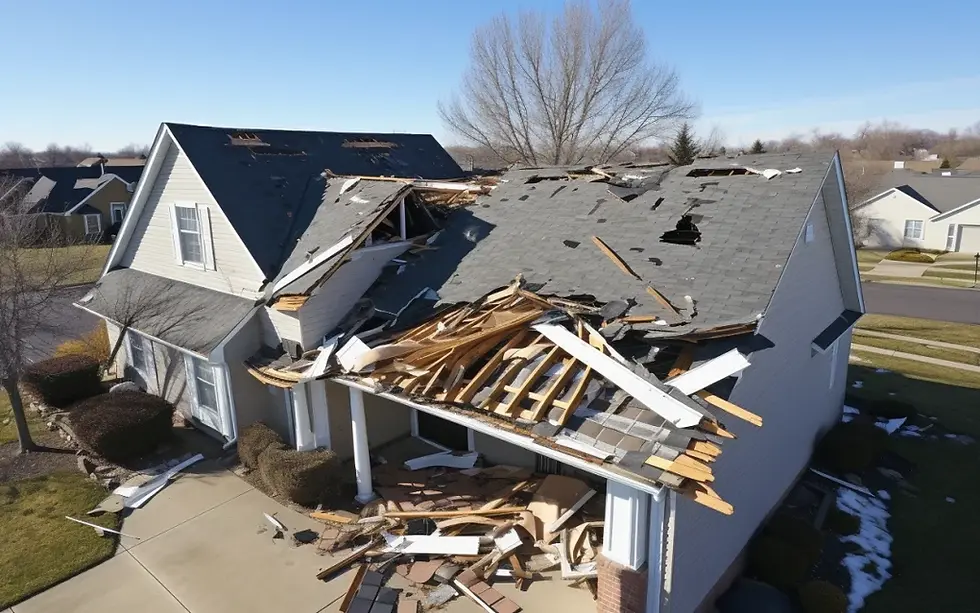
Connecticut's inland towns see damaging wind and hail more often than people expect. Hail damage to asphalt shingles and vinyl siding is easy to miss and easy to dispute. Carriers may call it "cosmetic," blame age and wear, or approve a few shingles or panels instead of a full slope or elevation.
Matching is a frequent sticking point. When replacement shingles or siding are no longer made, a patch can leave your home with a visible mismatch. Careful documentation, test squares, and a full review of your policy language often support a broader repair than the first estimate offers.
Rising rebuilding costs and underinsurance
Like the rest of the region, Connecticut has seen sharp increases in labor and material costs. Many homes are insured for less than it would cost to rebuild them today. After a large loss, that gap can mean thousands of dollars out of pocket. Review your dwelling limit and ask whether your policy includes extended replacement cost and ordinance or law coverage.
How a public adjuster helps
A licensed Connecticut public adjuster works only for the policyholder. I read your entire policy, check that the correct deductible was applied, document and price the full loss, and negotiate with the insurer. On complex claims, from foundation and collapse questions to large wind, hail and water losses, having an experienced advocate can change the outcome.
I bring more than 25 years of large property loss experience, including years on the carrier side, along with CPCU, AIC and Haag Certified Inspector credentials. I know how insurers evaluate claims, and I use that knowledge for you.
Had a loss in Connecticut? Contact Alfred Smith CPCU Claims Services LLC for a free claim review. Call 617-697-2646, email alfredsmithcpcu@gmail.com, or visit alfredsmithcpcu.com.


Comments