.jpg)



Understanding Your Homeowners Insurance Policy: What’s Covered and What’s Not
A homeowners insurance policy is meant to protect you from the financial shock of unexpected damage or loss. But many homeowners don’t realize that their policy has very specific limits, exclusions, and conditions. Knowing what is and is not covered can save you from surprises when you need your insurance the most.
Below is a straightforward overview of the typical coverages found in a standard HO‑3 homeowners policy—the most common type in Massachusetts—and the situations where coverage often does not apply.
Below is a straightforward overview of the typical coverages found in a standard HO‑3 homeowners policy—the most common type in Massachusetts—and the situations where coverage often does not apply.

What Is Covered
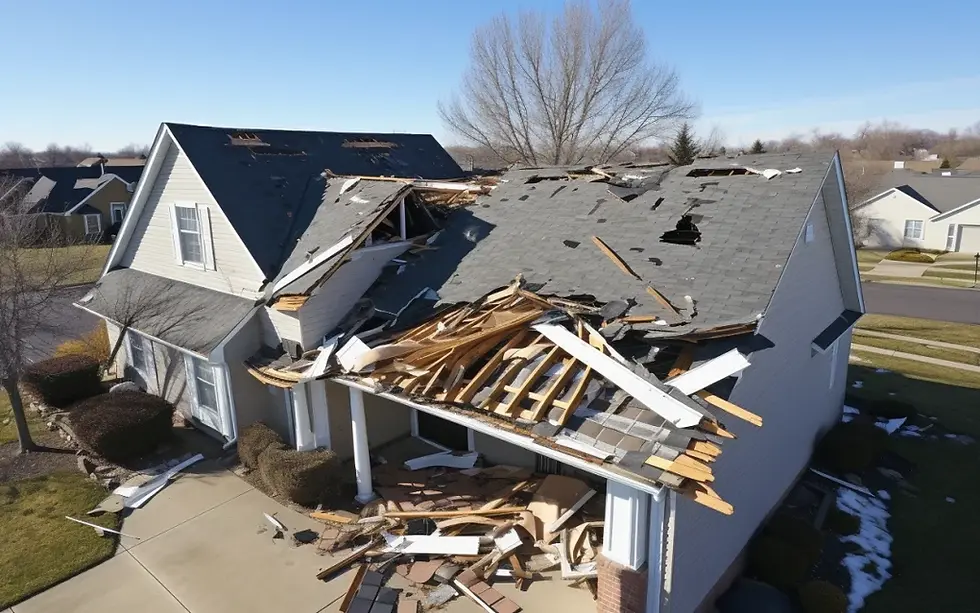
Dwelling Coverage (Coverage A) Protects the structure of your home—walls, roof, foundation, built‑in fixtures—against covered perils like fire, windstorm, hail, lightning, and more. If your home is damaged by a covered cause of loss, this is the part of the policy that pays to repair or rebuild.
Other Structures (Coverage B) Covers detached structures such as sheds, fences, garages, and pool houses. Typically set at 10% of your dwelling limit.
Personal Property (Coverage C) Covers your belongings—furniture, clothing, electronics—against covered perils. Often includes off‑premises coverage, meaning your items are protected even when they’re not inside your home.
Loss of Use / Additional Living Expenses (Coverage D) If your home becomes uninhabitable due to a covered loss, this pays for temporary housing, meals, and other necessary expenses while repairs are underway.
What’s Not Covered
Flooding Standard homeowners policies do not cover flood damage from rising water, storm surge, or overflowing rivers. Flood insurance must be purchased separately through the NFIP or a private carrier.
Earth Movement Earthquakes, sinkholes, landslides, and ground shifting are excluded unless you buy a separate endorsement.
Wear and Tear / Maintenance Issues Insurance covers sudden and accidental damage—not problems caused by neglect, deterioration, rot, or long‑term leaks.
Sewer or Drain Backup (Unless Endorsed) Water backing up through drains or sump pumps is excluded unless you add a specific endorsement.
Certain Types of Personal Property Items like jewelry, firearms, collectibles, and cash have low sub‑limits. You may need scheduled personal property coverage for full protection.
Business Activities Damage related to business operations in the home is often excluded unless you add a home‑business endorsement.
Intentional Damage Any loss caused intentionally by the homeowner is excluded.
Why This Matters
Most homeowners don’t discover coverage gaps until after a loss—when it’s too late. Understanding your policy helps you:
Make sure your coverage limits match the real cost to rebuild
Add endorsements for risks not covered by default
Avoid claim denials caused by exclusions or maintenance issues
Know when to call a public adjuster to protect your interests
Common Claim Mistakes Homeowners Make

Filing a homeowners insurance claim seems straightforward—something happens, you report it, and the insurance company pays for the damage. In reality, the process is full of pitfalls that can cost homeowners thousands of dollars or lead to claim denials. Most mistakes aren’t intentional; they happen because people assume their policy works one way when it actually works another.
Below are the most common claim mistakes homeowners make, and how to avoid them.
1. Waiting Too Long to Report the Damage
Insurance policies require “prompt notice.” Delays can lead to:
Denials for late reporting
Questions about whether the damage was sudden or long‑term
Reduced payouts due to worsening conditions
Even if you’re unsure whether the damage is covered, reporting it early protects your rights.
2. Cleaning Up Before Documenting the Loss
Homeowners often start cleaning or repairing damage immediately—understandable, but risky.
Without photos, videos, and written documentation, the insurer may argue:
The damage wasn’t as severe as claimed
The cause of loss is unclear
Certain items weren’t actually damaged
Document everything first. Clean later.
3. Not Understanding Policy Exclusions
Many homeowners assume “insurance covers everything.” It doesn’t.
Common exclusions include:
Long‑term leaks
Wear and tear
Rot, deterioration, mold
Flooding
Earth movement
Misunderstanding exclusions leads to frustration and denied claims. Knowing your policy upfront prevents surprises.
4. Underestimating the Cost to Rebuild
Most homeowners are underinsured without realizing it.
If your dwelling limit is too low:
You may not have enough coverage to rebuild
You may trigger coinsurance penalties
You may receive a reduced payout
Rebuilding costs in Massachusetts have risen sharply—materials, labor, code upgrades—so limits should be reviewed annually.
5. Accepting the First Offer Without Question
Insurance companies often make quick initial offers. They are not always accurate.
Common issues include:
Missing line items
Improper depreciation
Incomplete scope of repairs
Lowball estimates
Homeowners frequently accept these offers because they assume the insurer’s estimate is final. It isn’t.
6. Not Keeping Receipts for Additional Living Expenses
ALE (Additional Living Expenses) is one of the most valuable coverages, but it’s also one of the most scrutinized.
Without receipts, insurers may deny:
Temporary housing
Meals
Laundry
Mileage
Pet boarding
If you can’t prove the expense, they won’t reimburse it.
7. Trying to Handle Complex Claims Alone
Large losses—fires, water damage, storms—quickly become overwhelming.
Homeowners often:
Miss important deadlines
Misinterpret policy language
Under‑document damages
Accept incomplete repairs
Struggle with adjusters who minimize the claim
A public adjuster levels the playing field and ensures the claim is handled correctly from the start.
Why Avoiding These Mistakes Matters
Insurance companies have teams of adjusters, engineers, and consultants working to minimize payouts. Homeowners have… themselves. Avoiding these mistakes helps you:
Protect your rights
Maximize your settlement
Prevent delays and denials
Ensure your home is fully restored
Knowledge is leverage—and most homeowners don’t realize how much leverage they’re missing.
Hidden Coverages Most Homeowners Don’t Know They Have

Most homeowners assume their insurance policy is simple: if something bad happens, the policy pays for it. But buried inside every homeowners policy are lesser‑known coverages that can make a huge difference during a claim—if you know they exist and if you know how to use them.
These hidden coverages often go unused, overlooked, or underpaid. As a public adjuster, I see homeowners miss out on thousands of dollars simply because they didn’t realize these protections were available.
Below are the most valuable “quiet” coverages found in many HO‑3 policies.
1. Ordinance or Law Coverage (Building Code Upgrades)
When your home is damaged, repairs must meet current building codes—not the codes from when your home was built.
Ordinance or Law coverage pays for:
Required structural upgrades
Electrical and plumbing code compliance
Energy efficiency requirements
Safety improvements (smoke detectors, railings, etc.)
Without this coverage, homeowners may be responsible for thousands in mandatory upgrades. Many policies include 10% of Coverage A automatically, but higher limits are often available.
2. Debris Removal
After a fire, storm, or tree loss, the cost to remove debris can be significant.
Debris removal coverage pays for:
Tree removal
Construction debris
Damaged building materials
Disposal fees
This coverage is often in addition to the dwelling limit, but many homeowners don’t realize it exists—and insurers don’t always volunteer it.
3. Additional Living Expenses Beyond Housing
Most people think ALE only covers temporary housing. It actually covers much more.
Examples include:
Increased meal costs
Laundry expenses
Mileage for commuting
Pet boarding
Storage fees
Temporary furniture rental
If the expense is necessary due to the loss, it’s often reimbursable—with receipts.
4. Food Spoilage
Power outages caused by a covered peril can trigger food spoilage coverage.
Policies often pay:
Replacement of refrigerated and frozen food
Up to a set limit (commonly $500–$1,000)
Homeowners rarely claim this, but it’s an easy reimbursement.
5. Trees, Shrubs, and Landscaping
Damage to landscaping is covered when caused by specific perils such as:
Fire
Lightning
Explosion
Vandalism
Coverage is usually limited per tree/shrub, but it can add up quickly after a major event.
6. Damage Caused by Fire Department Services
Many policies cover:
Fire department service charges
Damage caused by emergency response (breaking doors, windows, walls)
This is often overlooked, especially in partial-loss fires.
7. Collapse Coverage
While long‑term sagging or deterioration is excluded, sudden collapse caused by hidden decay, insect damage, or weight of snow/ice may be covered.
This is one of the most misunderstood coverages in the entire policy.
8. Credit Card, Forgery, and Fraud Coverage
Many homeowners don’t realize their policy includes small limits for:
Unauthorized credit card use
Forgery
Counterfeit money losses
It’s not a large limit, but it’s a helpful protection most people never use.
9. Damage to Property of Others
If you accidentally damage someone else’s property, your policy may pay for it—even without a liability claim.
This is a quiet coverage that can prevent disputes with neighbors or friends.
10. Loss Assessment Coverage (For Condo Owners)
For condo owners, this coverage pays when the association issues an assessment due to:
Damage to common areas
Deductibles
Certain liability claims
Many condo owners don’t realize they have this protection until they need it.
Why These Hidden Coverages Matter
Insurance companies rarely highlight these coverages during a claim. If you don’t know they exist, you won’t know to ask for them—and they often require specific documentation or wording to trigger payment.
Understanding these hidden protections helps you:
Maximize your claim
Avoid paying out‑of‑pocket for covered expenses
Ensure the insurer applies every available benefit
Strengthen your position during negotiations
Most homeowners leave money on the table simply because they don’t know what they’re entitled to.
Comments