


Why Work with a MAPIA and NAPIA Member like Alfred Smith CPCU Claims Services
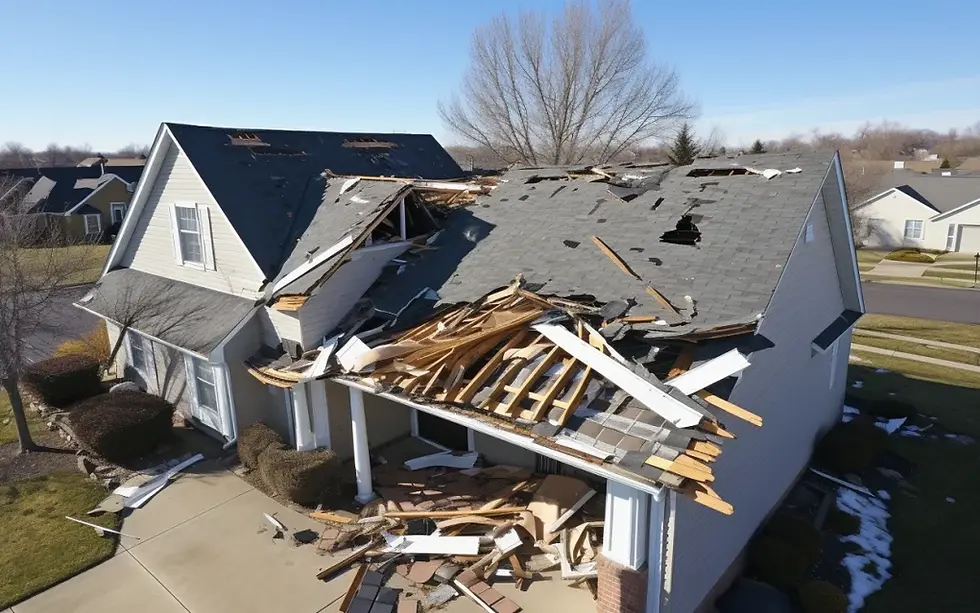
A serious property claim can make even a prepared policyholder feel outmatched. There may be water damage spreading behind walls, smoke residue where it is hard to see, storm damage on a roof, or a business interruption that affects daily operations. At the same time, the insurance process has its own language, deadlines, estimates, coverage questions, and documentation requirements.
That is where the right public insurance adjuster can make a real difference.
Alfred Smith CPCU Claims Services is proud to be associated with both MAPIA and NAPIA, two organizations connected to the public adjusting profession. Working with a MAPIA and NAPIA member can give policyholders added confidence that they are speaking with someone who takes professional standards, education, and ethical claim handling seriously.
This article is for general information only. Every claim is different, and policy language, state rules, and claim facts should be reviewed carefully.

Membership matters when the claim is complex
Insurance policies are contracts, and claims often turn on details. A small phrase in the policy, a missed item in the estimate, or an incomplete damage inventory can affect how a claim is evaluated.
A public adjuster represents the policyholder in the preparation and presentation of an insurance claim. That role is different from the insurance company’s adjuster, who works for the carrier. When a claim involves significant damage, unclear causation, disagreement over scope, or a large financial impact, the policyholder may benefit from having an experienced advocate focused on their side of the process.
A membership connection with MAPIA and NAPIA is not just a label. It can reflect a commitment to staying engaged with the public adjusting profession. These organizations are associated with education, professional standards, legislative awareness, and a shared understanding of responsible claim practices.
For a policyholder, that can matter in several ways:
Better familiarity with claim documentation
A clearer understanding of policyholder rights
Awareness of professional ethics and licensing concerns
Access to industry education and peer knowledge
A stronger commitment to proper claim presentation
Membership does not guarantee a claim result. No qualified professional should promise that. What it can do is help signal that the adjuster is connected to a professional community and takes the work seriously.
What MAPIA and NAPIA represent
MAPIA and NAPIA serve different but related roles in the public adjusting world.
MAPIA is commonly associated with public adjusters working within a regional professional community. Regional associations can help members stay aware of state-level issues, licensing expectations, claim practices, and legal or regulatory changes that may affect policyholders.
NAPIA, the National Association of Public Insurance Adjusters, is a national organization for public insurance adjusters. Its role includes promoting professional standards, education, and the interests of public adjusters and the policyholders they serve.
The value of these organizations is practical. Claims are not handled in a vacuum. Weather events, construction costs, insurer practices, policy changes, and regulatory expectations all evolve. A public adjuster who remains connected to professional associations is better positioned to keep learning and stay alert to changes in the field.
For Alfred Smith CPCU Claims Services, membership in MAPIA and NAPIA supports a broader commitment to professional claim service. It shows a willingness to be part of the larger conversation about public adjusting, not just individual claim files.
The CPCU designation adds another layer of qualification
The name Alfred Smith CPCU Claims Services includes another credential worth understanding. CPCU stands for Chartered Property Casualty Underwriter. It is one of the most respected designations in the property and casualty insurance field.
The CPCU designation is associated with advanced insurance study. It generally reflects education in areas such as insurance operations, risk management, property and casualty coverage, policy interpretation, ethics, and insurance law concepts.
That background matters because property claims often require more than measuring damaged materials. A strong claim review may involve questions such as:
What caused the damage?
Is the damage sudden, accidental, repeated, excluded, limited, or covered?
Does the policy include replacement cost coverage, actual cash value, code upgrade coverage, or business interruption coverage?
What documentation supports the claimed amount?
Are there hidden damages that need expert review?
Has the insurer’s estimate captured the full scope of repair?
A CPCU background can help bring structure to these questions. It can also support more thoughtful communication with the insurance company, contractors, consultants, and the policyholder.
Experience matters. Education matters too. When both are present, claim service can become more organized, more informed, and more useful.
Why policyholders often seek a public adjuster
Many people call a public adjuster after a claim has already become stressful. The insurer may have issued an estimate that seems too low. A contractor may have found more damage than expected. The claim may be moving slowly. Or the policyholder may simply feel unsure about what the policy says.
A public adjuster can help bring order to the process.
Common areas where a public adjuster may assist include:
Inspecting and evaluating property damage
Reviewing the insurance policy and claim correspondence
Preparing a detailed estimate or proof of loss
Documenting damaged contents
Coordinating with contractors, engineers, or other specialists when needed
Communicating with the insurance company about the claim
Helping identify gaps in the insurer’s estimate or evaluation
This work can be especially helpful in larger residential claims, commercial property losses, fire claims, water losses, storm damage, theft claims, and business interruption matters.
The goal is not to create conflict for its own sake. The goal is to help present the claim clearly, accurately, and with support. A good public adjuster knows that documentation, professionalism, and persistence matter more than noise.

The benefits of working with a MAPIA and NAPIA member
A membership alone does not replace good judgment, careful work, or honest communication. But it can support those qualities. When choosing a public adjuster, policyholders often look for signs that the person is qualified, accountable, and serious about the profession.
Working with a MAPIA and NAPIA member like Alfred Smith CPCU Claims Services can offer several practical benefits.
A stronger commitment to professional standards
Professional associations often expect members to pay attention to ethics, licensing, and responsible conduct. That matters because public adjusters handle sensitive financial and property issues.
A policyholder should expect clear communication, realistic guidance, and careful handling of claim information. When an adjuster participates in respected professional organizations, it can reflect a commitment to those values.
Continued learning and industry awareness
Insurance claim practices change. Policy forms change. Building repair methods and costs change. Weather patterns, contractor availability, and local code issues can also affect claims.
An adjuster who stays connected to professional associations has more opportunity to remain aware of these developments. That can support better service when a claim involves unusual damage, disputed coverage, or complex documentation.
A network of professional knowledge
Claims sometimes call for input from contractors, engineers, contents specialists, forensic accountants, or other experts. A public adjuster who is active in the profession may be more familiar with when outside expertise is needed and how to help coordinate information.
That does not mean every claim requires a large team. Many do not. It means the adjuster should know when a claim is simple and when it needs deeper review.
A policyholder-focused approach
Public adjusters exist to serve policyholders. That role matters because insurance claims can feel one-sided when the carrier controls much of the process.
A public adjuster helps the policyholder understand what is being requested, what has been submitted, what remains unresolved, and what steps may come next. This can reduce confusion and help the claim stay organized.
Clearer claim presentation
A claim is easier to evaluate when it is well documented. Photos, estimates, inventories, expert reports, repair invoices, and policy references all have a role.
A well-prepared claim presentation does not rely on guesswork. It tells the story of the loss in a way that is supported by facts. That can help reduce delays and focus the discussion on the real issues.
What qualifications should matter when choosing a public adjuster
Choosing a public adjuster should not come down to a single credential. The better question is whether the adjuster has the right mix of licensing, experience, education, communication skill, and professional judgment.
Here are several qualities worth looking for.
Qualification | Why it matters |
Proper licensing | Public adjusters must follow the licensing rules that apply in the state where they handle claims. |
Insurance knowledge | Policy language affects coverage, valuation, limits, exclusions, and duties after loss. |
Claim experience | Real claim work builds judgment about damage, documentation, negotiation, and timing. |
Estimating skill | A detailed estimate helps show the true repair scope and cost. |
Professional memberships | MAPIA and NAPIA membership can reflect engagement with standards and education. |
Clear communication | Policyholders need straight answers, realistic expectations, and regular updates. |
Ethical conduct | Trust matters when property damage and money are at stake. |
The CPCU designation adds further strength because it reflects advanced insurance education. Combined with MAPIA and NAPIA membership, it gives policyholders more reasons to start a conversation with Alfred Smith CPCU Claims Services when a claim deserves careful attention.
Not every claim is the same
Some claims are straightforward. A small loss with clear coverage, simple repairs, and a fair estimate may not require outside help. Other claims are different.
A discussion with Alfred Smith CPCU can be especially useful when:
The damage is substantial
The cause of loss is disputed
The insurer’s estimate seems incomplete
Hidden damage may exist
Multiple trades are needed for repairs
Contents or inventory losses are involved
Business income or extra expense is part of the claim
The claim has stalled or become confusing
The policyholder does not understand the insurer’s position
A conversation does not have to begin with a dispute. It can begin with questions. What does the policy require? What documentation is missing? Is the insurer’s estimate complete? What should happen before repairs begin? What deadlines should be watched?
Those questions can shape the entire claim experience.
Why early guidance can help
Many policyholders wait until frustration builds before calling a public adjuster. Sometimes that is unavoidable. But early guidance may help prevent problems.
Before materials are removed, damaged items are discarded, or repairs are completed, the claim should be documented. Photos, videos, invoices, moisture readings, contractor notes, and damaged contents records may become important later.
A public adjuster can help identify what should be saved, photographed, measured, or reviewed before the evidence changes. This can be particularly important after water damage, fire damage, storm damage, or commercial losses where operations must resume quickly.
Early involvement can also help keep communication organized. Insurance companies often request documents, statements, estimates, inventories, or forms. Missing or incomplete responses may slow the process. A public adjuster can help track what has been requested and what has been provided.
A professional conversation is the best first step
A claim can feel personal because it affects a home, business, income, routine, or sense of safety. At the same time, an insurance claim is a formal process. It rewards preparation, documentation, and clear communication.
That is why working with a qualified professional matters.
Alfred Smith CPCU Claims Services brings together public adjusting experience, CPCU-level insurance knowledge, and proud membership in MAPIA and NAPIA. For policyholders facing a serious claim, that combination can provide a useful starting point for understanding the process and deciding what to do next.
The best next step is simple: talk through the claim. Share what happened, what the insurer has said, what documents have been received, and what concerns remain. From there, Alfred Smith CPCU can help discuss whether public adjusting support may be appropriate and what the next steps could look like.
A better claim experience often starts with a better-informed conversation.
This message is brought to you from Alfred Smith CPCU of Alfred Smith CPCU Claims Services LLC.


Comments