Condo Insurance Claims What to Consider Before Filing a Property Claim
- alfredsmithcpcu
- 7 minutes ago
- 16 min read
A condo property claim can seem simple at first. Something leaked, cracked, burned, broke, or got damaged, and insurance should help pay for it. Then the questions start: Is this covered by the condo association’s master policy or your own policy? Does the damage fall under your deductible? Will filing a claim affect your premium? Do you need approval before repairs?
Condo insurance is different from homeowners insurance because responsibility is shared. Your unit, your belongings, the building, common areas, neighboring units, and the condo association may all be involved in the same loss. That makes condo claims more layered than many people expect.
This guide explains what to review before filing a property claim under a condo insurance policy, how to think through coverage, and what steps can protect you from avoidable problems. This is general information only, not legal, financial, or insurance advice. Policy language, state rules, and condo documents vary, so always review your own policy and speak with your insurer, agent, adjuster, or legal adviser when needed.
First and foremost if at any point you have a question or need assistance, please reach out to Alfred Smith CPCU Claims Services LLC.
Alfred Smith CPCU Claims Services
617 697 2646

Onto the educational portion of our program.
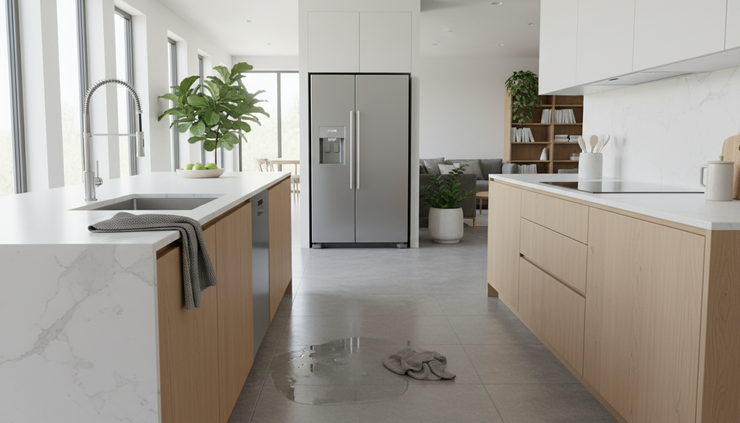
Start with the source of the damage
Before filing a claim, identify what happened as clearly as possible. Insurance coverage often turns on the cause of loss, not just the visible damage.
A cracked ceiling, for example, may look like a ceiling claim. But the real issue might be a leaking pipe from the unit above, a roof leak maintained by the association, or condensation from an HVAC system. Each cause can point to a different responsible party and a different insurance policy.
Common condo property claim causes include:
Sudden water discharge from plumbing or appliances
Fire or smoke damage
Wind or hail damage affecting windows, roofs, or exterior walls
Theft or vandalism
Damage from a neighbor’s unit
Damage caused by a common element, such as a roof, riser pipe, or shared wall
Sewer or drain backup, if covered by endorsement
Mold following a covered water loss, if the policy allows it
The word sudden matters in many property policies. A pipe that bursts unexpectedly may be treated differently from a slow leak that has been occurring for months. Damage from wear, deterioration, poor maintenance, or long-term seepage is often limited or excluded.
That does not mean every gradual situation is automatically denied. It means the details matter. Write down when the problem was discovered, what was seen first, and what actions were taken right away.
If there is active damage, take reasonable steps to stop it. Shut off water if a pipe or appliance is leaking. Move personal items out of harm’s way. Call emergency services if there is fire, smoke, structural danger, or unsafe electrical exposure.
Most policies require policyholders to protect property from further damage after a loss. Waiting too long can create disputes over what damage came from the original event and what damage came from delay.
Know which policy may apply
A condo claim can involve more than one insurance policy. Figuring out which policy applies is one of the most important early steps.
In many condo situations, there are three possible sources of coverage:
Policy or party | What it may cover |
Your condo unit policy, often called an HO-6 policy | Personal property, interior improvements, some fixtures, loss of use, liability, and certain assessments |
The condo association master policy | Building structure, common areas, shared systems, and sometimes portions of individual units |
Another owner’s policy | Damage they caused, depending on negligence and liability coverage |
Your HO-6 policy does not exist in isolation. It sits beside the condo association’s governing documents and master insurance policy. Those documents help decide where the association’s responsibility ends and yours begins.
A master policy may be written in different ways:
Bare walls-in
The association covers the basic structure and common elements. Unit owners are often responsible for interior surfaces, fixtures, cabinetry, flooring, appliances, and improvements.
Single entity
The association may cover original fixtures and finishes in the unit, but not upgrades made by owners.
All-in
The association may cover many parts of the unit, including fixtures and installations, though personal property usually remains the owner’s responsibility.
These terms can vary, and the wording in the actual documents controls. Do not rely only on a neighbor’s description or a quick summary from a board member. Ask for the declarations, bylaws, insurance section, and current certificate or summary of the master policy.
A small wording difference can change who pays for drywall, cabinets, flooring, built-ins, plumbing access, or code upgrades.
Review your own policy before opening a claim
It is tempting to call the insurer immediately and say, “I need to file a claim.” In an emergency, prompt notice is important. But when the damage is stable and not urgent, review your policy first so you understand what you are reporting.
Look at these parts of the policy.
Covered property
Your policy usually separates property into categories. These may include:
Dwelling or building property coverage for parts of the unit you own
Personal property coverage for belongings
Loss of use coverage for temporary living costs
Loss assessment coverage for certain association charges
Personal liability coverage if someone claims you caused damage or injury
The key question is not only whether a loss is covered. It is also which coverage bucket applies.
For example, a water-damaged kitchen cabinet may fall under building property coverage, while damaged cookware and small appliances may fall under personal property. Hotel costs while the unit is unlivable may fall under loss of use.
Deductibles
Check the deductible for the type of loss. Some policies have one standard deductible, while others have different deductibles for wind, hail, hurricane, water, or other causes.
If the repair estimate is close to the deductible, filing may not make sense. A $1,200 covered repair with a $1,000 deductible produces only $200 in potential claim payment, before considering any future premium effect or claim history concern.
Do not guess. Get a reasonable repair estimate if possible.
Limits
Coverage limits are the maximum your insurer may pay, subject to terms, deductibles, and exclusions. Condo owners sometimes underinsure building property because they assume the master policy covers everything inside the unit.
Pay special attention to:
Building property limits
Personal property limits
Special limits for jewelry, art, collectibles, cash, firearms, or certain electronics
Loss of use limits
Loss assessment limits
Water backup limits, if this endorsement exists
Mold limits, if coverage exists
If you upgraded flooring, cabinets, counters, lighting, showers, built-ins, or appliances, make sure your limits reflect the real cost to rebuild or replace those items.
Exclusions and endorsements
Exclusions are losses the policy does not cover. Endorsements can add, remove, or change coverage.
Common issues that may need special attention include:
Flood from outside water
Sewer or drain backup
Groundwater seepage
Mold
Earth movement
Wear and tear
Neglect
Pests
Intentional damage
Ordinance or law upgrades
Short-term rental activity
A standard condo policy may not cover flood damage from rising water. That usually requires separate flood insurance. Sewer backup may also require an endorsement. These details matter most when damage has already happened.

Understand the condo association’s role
The condo association is often part of the claim even when the damage is inside your unit. The association may need to inspect a common element, confirm whether a pipe or wall is shared, coordinate repairs, or file a claim under the master policy.
Notify the association or property manager if the damage may involve:
Common plumbing lines
Roofs
Exterior walls
Windows or sliding doors
Balconies
Shared HVAC systems
Sprinkler systems
Hallways or common areas
Damage spreading into neighboring units
Ask the association for any required claim procedures. Some associations require written notice within a certain time. Some want access to inspect before repairs close up walls or remove materials. Some have preferred restoration contractors for building systems, though you may still have rights under your own policy.
Keep every communication polite, dated, and in writing when possible. A short email can prevent later confusion:
“I discovered water damage in my unit on March 4 at approximately 7:00 p.m. The damage appears near the kitchen ceiling. I have placed a bucket under the drip and shut off the kitchen water supply. Please advise whether the association needs to inspect any common plumbing or building components.”
That kind of message does three useful things. It creates a record, shows you acted quickly, and invites the association to identify its role.
Decide whether the claim is worth filing
Not every loss should become a claim. Insurance exists for covered losses, but filing a claim is still a decision.
Before filing, compare the likely benefit with the possible downsides.
The size of the loss
Start with the repair cost. If the expected covered damage is well above the deductible, a claim may be reasonable. If the damage is below or barely above the deductible, paying out of pocket may be simpler.
Be careful with early guesses. Water damage can look minor, then turn costly if flooring, baseboards, cabinets, drywall, or insulation must be removed. Fire and smoke losses can also spread beyond the visible burn area.
If the claim might involve hidden damage, get a professional inspection or mitigation assessment before assuming it is small.
Your claim history
Insurers consider claim history when pricing or renewing policies. One small claim may not create a major issue, but repeated claims can matter, especially if they involve water losses.
You usually cannot know exactly how a future insurer will treat a claim. Rating rules vary by state and company. Still, it is reasonable to think carefully before filing a low-dollar claim that produces little or no payment.
Whether coverage is uncertain
If coverage is unclear, you may need to report the loss to protect your rights under the policy. Many policies require prompt notice. Waiting too long can create problems, even for a valid claim.
A practical approach is to call your agent or insurer and ask about the process, but be clear whether you are asking a coverage question or formally opening a claim. Different insurers handle inquiries differently, so ask how the contact will be recorded.
If damage may involve another unit, the association, or liability, prompt notice becomes more important. Delay can make it harder to determine cause and responsibility.
The risk of more damage
If the damage is ongoing, focus on stopping it first. A claim decision can come after emergency mitigation.
Examples include:
Active water leaking through a ceiling
Wet flooring that may spread moisture under walls
Smoke residue affecting indoor air
Broken exterior glass exposing the unit to weather
Electrical damage after water exposure
Insurance companies usually expect reasonable emergency steps. Save receipts for emergency repairs, water extraction, board-up services, fans, dehumidifiers, plumbing work, or temporary lodging.
Do not make permanent repairs before documentation and inspection unless safety requires immediate work. Take photos and videos before anything is removed.
Document the damage like a claim reviewer will read it
Good documentation can make the claim process smoother. Poor documentation can make a valid claim harder to prove.
Think of your file as a clean timeline.
Take photos and videos
Capture the scene before cleanup if it is safe. Include wide shots and close shots.
Photograph:
The source of damage, if visible
All damaged areas
Wet flooring, walls, ceilings, cabinets, or contents
Personal property before disposal
Serial numbers for damaged appliances or electronics
Any water shutoff, broken part, or failed component
Common areas connected to the loss, if accessible
Neighboring damage, if relevant and appropriate
Use video to walk through the unit and narrate what happened. Keep it factual. Say what you see, not what you cannot prove.
For example:
“Water is dripping from the ceiling above the kitchen island. The ceiling paint is bubbling. The floor is wet from the island to the refrigerator. I discovered this at about 6:30 a.m.”
Keep damaged items when possible
Do not throw away damaged property until the insurer has had a chance to inspect it, unless it creates a health or safety risk. If you must discard something, photograph it first and keep receipts or labels when possible.
For food spoilage, damaged textiles, swollen laminate flooring, or waterlogged personal items, take clear photos and make a list.
Build an inventory
For personal property, write down:
Item name
Brand or model, if known
Approximate purchase date
Original cost, if known
Replacement cost estimate
Photos or receipts, if available
You do not need perfect records to start, but better records lead to fewer questions.
Save every receipt
Keep receipts for:
Emergency plumbing
Water extraction
Temporary repairs
Cleaning supplies
Hotel stays
Meals above normal costs, if loss of use applies
Replacement essentials
Storage
Laundry
Contractor estimates
Permit fees, if needed
Loss of use coverage often pays for the extra cost of maintaining a normal standard of living when a covered loss makes the unit unfit to live in. It does not usually pay for every expense, only the increase over normal costs, subject to policy terms.

Be careful with water damage claims
Water damage is one of the most common and most disputed condo claim issues. It can involve your unit, another owner, the association, or all three.
The first question is where the water came from. The second is why it escaped. The third is who had responsibility for the source.
A leaking dishwasher supply line inside your unit is different from a failed common drain line behind a wall. A bathtub overflow from the unit above is different from rain entering through a roof. A sprinkler system discharge may involve the association, a contractor, or a building system.
When you discover water damage:
Stop the water if you can do so safely.
Notify the association if a common element may be involved.
Notify affected neighbors if water is spreading.
Document the source and damage.
Start drying and mitigation quickly.
Keep damaged parts, such as a failed hose or valve, if safe.
Ask contractors to identify the likely source in writing.
Mold concerns add another layer. Many policies limit mold coverage or cover it only when it results from a covered water loss and proper mitigation steps were taken. If moisture remains, mold can grow and damage can spread. This is why quick drying matters.
Do not rely on blame alone. A neighbor may feel responsible, or the association may say it is not involved, but insurers decide coverage based on policy language and facts. Negligence also matters. If a neighbor’s sudden pipe burst damaged your unit, your own policy may respond first, then the insurer may seek recovery if another party is legally responsible. This recovery process is called subrogation.
Watch for the master policy deductible
Condo association master policies often have deductibles. In some losses, that deductible can be charged to one unit owner, divided among several owners, or assessed to all owners, depending on the governing documents and state law.
This can surprise condo owners. A building loss may be covered by the master policy, but the deductible may still create an out-of-pocket cost or assessment.
Your HO-6 policy may include loss assessment coverage, which can help pay certain assessments made by the association. But this coverage has limits and conditions. It may not apply to every assessment. It may also have a separate deductible or require that the underlying cause of loss be covered.
Review your loss assessment limit before a major building claim happens. In some buildings, master policy deductibles can be large, especially for wind, hail, hurricane, or water losses. If your loss assessment limit is low, ask your agent whether higher limits are available.
Also ask how the association handles deductibles. The answer should come from the governing documents, not informal custom.
Get repair estimates before agreeing to a settlement
The insurer’s adjuster will inspect the damage or request photos, invoices, and estimates. The adjuster may prepare a repair estimate. You may also get your own contractor estimate.
Differences are common. The insurer might include drywall and paint but miss cabinet removal. A contractor might include full flooring replacement because matching is not possible. The adjuster might price a standard fixture, while your unit has upgraded materials.
Review estimates line by line. Look for:
Missing rooms or surfaces
Incorrect measurements
Low material quality
Labor that does not reflect access problems
Painting that stops short of a natural break
Cabinet, countertop, or flooring matching issues
Required plumbing or electrical work
Permit requirements
Debris removal
Drying or remediation costs
Code upgrade work
If your policy covers replacement cost, the insurer may first pay actual cash value, then release recoverable depreciation after repairs are completed and expenses are documented. Actual cash value usually accounts for age and condition. Replacement cost is generally the cost to replace with like kind and quality, subject to the policy.
Ask the adjuster to explain the payment structure in plain language. You should know:
What is being paid now
What depreciation is being held back
What documents are needed for more payment
Whether the deductible has already been applied
Whether payment is based on actual cash value or replacement cost
What deadline applies for submitting additional documents
Do not sign a contractor agreement you do not understand. Be careful with assignments of benefits, direct payment forms, cancellation fees, and broad repair authorizations. Rules around these documents vary by state. Read them closely.
Understand what your duties are after a loss
Condo policies usually include post-loss duties. These are obligations you agree to as part of the insurance contract.
They often include requirements to:
Give prompt notice of the loss
Protect the property from further damage
Make reasonable temporary repairs
Keep repair receipts
Cooperate with the insurer’s investigation
Show damaged property when requested
Provide records and documents
Submit a proof of loss if required
Allow inspections
Notify police in case of theft or vandalism
Missing a duty can slow the claim or create a dispute. The exact duties are in your policy, so read that section early.
A proof of loss deserves special attention. It is a formal statement about the claim, often signed by the policyholder. If the insurer requests one, note the deadline. Do not guess on values or causes. If information is still unknown, ask the insurer how to handle that.
Think about neighbors and liability
Condo damage often crosses walls. If water from your unit damages the unit below, that owner may file a claim with their insurer. Their insurer may later look at whether you were negligent.
Negligence is not the same as bad luck. If a hidden pipe bursts without warning, you may not be legally responsible for a neighbor’s damage. If you ignored a known leak for weeks and it spread, the analysis may be different.
Your condo policy’s liability coverage may defend and pay covered claims if someone alleges you caused property damage or bodily injury. Report potential liability situations to your insurer promptly.
Examples include:
Your washing machine supply line fails and water enters the unit below
A candle fire in your unit causes smoke damage to common areas
A guest slips because of water from a leak in your unit
A contractor you hired damages common property
Do not admit legal fault or promise to pay another owner before speaking with your insurer. You can be courteous and cooperative without making statements that complicate coverage.
Say something like, “I am sorry this happened. I am reporting it to my insurance company and the association so the cause and coverage can be reviewed.”
Consider temporary living costs
Some property losses make a condo uncomfortable. Others make it unlivable. Loss of use coverage may help when a covered loss prevents you from living in the unit during repairs.
This may include extra costs for:
Hotel or short-term rental stays
Increased meal expenses
Laundry
Pet boarding, if needed and covered
Additional transportation
Temporary storage
The key word is extra. If you normally spend $600 per month on groceries and now spend more because you have no kitchen, the policy may consider the increased amount, not the full food bill.
Before choosing temporary housing, ask the adjuster what is reasonable under your coverage. A nearby hotel for a short drying period is different from a furnished rental for a long reconstruction project. Keep receipts and document why each expense was needed.
If the association controls the repair timeline, stay in contact with both the association and your insurer. Delays can affect living costs and claim expectations.
When it may make sense not to file
Filing can be the right choice when the loss is covered, significant, and well documented. Still, there are times when it may be better not to open a claim.
It may not make sense to file if:
The repair cost is clearly below the deductible
The damage is cosmetic and inexpensive to fix
The cause is clearly excluded
You can safely repair the issue for a modest amount
A prior claim history makes a small claim hard to justify
The association has already accepted responsibility and is handling the repair
Be careful with the phrase “clearly excluded.” Many claims are more complex than they first appear. If you are unsure, ask your agent or insurer how the policy may apply.
Also, do not avoid reporting a loss when the policy requires notice, especially if another party may pursue you for damages. The decision not to pursue payment for your own small repair is different from ignoring a liability issue or a loss that may grow.
Questions to ask before filing a condo property claim
Before you file, gather the answers you can. This short checklist can help organize the decision.
What caused the damage?
When did it happen or when was it discovered?
Is the source inside your unit, another unit, or a common element?
Is the damage still active?
What emergency steps have been taken?
Has the association been notified?
Does the master policy apply?
What does your HO-6 policy cover?
What deductible applies?
What is the rough repair cost?
Are personal belongings damaged?
Is the unit safe to occupy?
Could a neighbor make a claim against you?
Are there photos, videos, receipts, and estimates?
Are there policy deadlines for notice or proof of loss?
Could loss assessment coverage be involved?
The more complete your answers are, the easier it is to explain the claim clearly.
How to make the claim process smoother
If you decide to file, the way you communicate matters. A clear, organized claim is easier to evaluate.
Use a simple timeline:
Date and time discovered
What was happening at discovery
Steps taken to stop damage
People notified
Contractors called
Areas affected
Photos and receipts available
Be factual. Avoid speculation. If you do not know whether the leak came from a common pipe or a neighbor’s unit, say that the source is unknown and under investigation.
Keep a claim folder with:
Your policy
Master policy information, if available
Condo governing documents
Claim number
Adjuster contact information
Photos and videos
Contractor estimates
Receipts
Emails with the association
Notes from phone calls
Payment letters
Repair invoices
After phone calls, write a short note with the date, person you spoke with, and main points discussed. If something important was agreed to, confirm it by email.
If the insurer denies part or all of the claim, ask for the reason in writing and request the policy language relied upon. Denials can be correct, but they can also be based on incomplete information. If you have new facts, contractor findings, photos, or association documents, provide them.
For larger disputes, consider getting help from a qualified insurance professional, attorney, or licensed public adjuster where allowed. Check licensing and fee rules in your state before hiring anyone.
A careful claim starts before the damage happens
The best time to understand condo coverage is before a leak, fire, storm, or assessment. Once damage occurs, there is pressure, stress, and a lot of moving parts.
Review your condo insurance policy at least once a year. Compare it with the association’s current master policy and governing documents. Update your limits after renovations or major purchases. Ask about endorsements for water backup, loss assessment, ordinance or law, or valuable items if they fit your situation.
Keep photos of your unit and belongings. Save receipts for improvements. Know where your water shutoffs are. Keep the association’s emergency contact information somewhere easy to find.
When damage happens, act quickly, document carefully, and pause long enough to understand which policy should respond. Condo insurance claims can involve several parties, but a calm, organized approach can reduce confusion and help you make a better filing decision.


Comments