
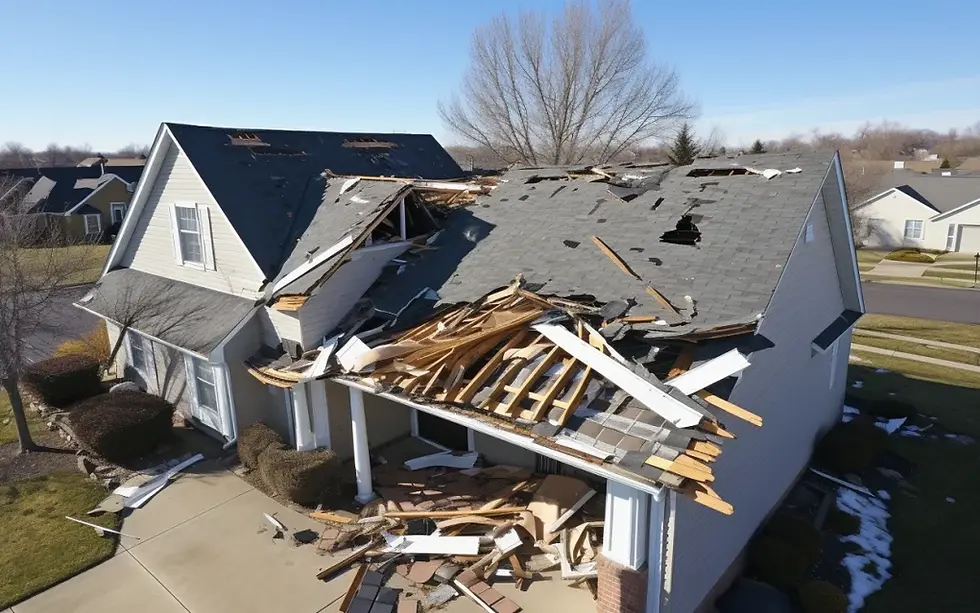


How a Public Adjuster Firm Helps Businesses Recover from Commercial Losses
A serious commercial loss can stop a business in a single afternoon. A fire in a restaurant kitchen, a burst pipe in a medical office, wind damage to a warehouse roof, or smoke contamination in a retail store can turn normal operations into a claim file full of deadlines, estimates, invoices, and coverage questions.
That is where a public adjuster can make a real difference.
Alfred Smith CPCU Claims Services LLC helps business owners document covered damage, understand the policy, prepare the claim, and present it to the insurance company in a clear, organized way. The goal is simple: help the business recover the full amount owed under the policy so repairs, replacement, cleanup, and income recovery can move forward.
This article is informational and does not replace legal, financial, or insurance advice for a specific claim.

A commercial loss is more than damaged property
A residential property claim often focuses on getting a home repaired. A commercial claim usually has more moving parts. The building may be damaged, but the loss may also affect equipment, inventory, customer access, payroll, tenant obligations, vendor contracts, and daily revenue.
A commercial loss may involve:
Building damage
Business personal property
Inventory loss
Equipment breakdown or contamination
Code upgrade issues
Loss of income
Extra expenses to keep operating
Leasehold improvements
Tenant or landlord responsibilities
Debris removal and cleanup
Mold, soot, smoke, or water intrusion
For example, consider a small manufacturing business after a roof leak caused by a windstorm. At first, the damage may look limited to ceiling tiles and wet flooring. A closer inspection may reveal moisture inside wall cavities, water-damaged electrical components, damaged raw materials, rusting machinery parts, and safety concerns that stop production.
The insurance claim needs to address each of those parts. If the claim only includes the ceiling and flooring, the business may be left paying for important repairs or replacements out of pocket.
A public adjuster firm helps identify the full scope of loss, not just the obvious damage.
What makes commercial claims harder to manage
Commercial insurance policies are often more detailed than standard property policies. They may include several coverage sections, separate limits, exclusions, deductibles, endorsements, and reporting duties.
A business owner dealing with a loss may also have to manage employees, customers, vendors, contractors, landlords, tenants, and lenders at the same time. That pressure makes it easy to miss details.
Here are several reasons commercial claims become complex.
Claim issue | Why it matters |
Multiple coverages | The same event may involve building, contents, income, and extra expense coverage. |
Time-sensitive duties | Policies often require prompt notice, damage mitigation, records, and cooperation. |
Business interruption | Lost income must be documented with financial records, not just estimated. |
Disputes over cause | The insurer may question whether damage came from a covered event, old wear, maintenance issues, or excluded causes. |
Scope disagreements | Contractors, adjusters, engineers, and consultants may disagree about what needs repair or replacement. |
Hidden damage | Water, smoke, soot, and structural damage may not be fully visible right away. |
The claim is not only about proving that something happened. It is also about proving what happened, what it damaged, what the policy covers, and what it will cost to recover.
A closer look at a commercial loss
Imagine a restaurant that suffers a kitchen fire after equipment overheats during a busy dinner service. Firefighters extinguish the flames, but the damage does not stop at the burned appliance.
Smoke travels through the kitchen, dining area, ceiling space, HVAC system, restrooms, storage areas, and possibly neighboring spaces. Water from fire suppression efforts soaks flooring, wall assemblies, food products, packaging, and electrical systems. Local authorities may require inspections before the restaurant can reopen.
The business now faces several categories of loss.
Building damage
The fire may damage walls, ceilings, flooring, doors, tile, lighting, ductwork, wiring, plumbing, and built-in fixtures. A repair estimate must include the visible damage and the work needed to access, clean, remove, and replace affected materials.
If the building is older, repairs may trigger code requirements. That may involve updated electrical work, fire-rated materials, accessibility issues, or other local building requirements. Coverage for code upgrades depends on the policy language, so it must be reviewed carefully.
Business personal property
Restaurants rely on equipment and contents to operate. The claim may include ovens, fryers, refrigerators, freezers, prep tables, smallwares, point-of-sale equipment, furniture, decor, and stored supplies.
Some items may be repairable. Others may be unsafe, contaminated, or beyond economical repair. A public adjuster helps inventory these items, document their condition, gather replacement costs, and separate salvageable property from total losses.
Stock and inventory
Food inventory can be a major issue. Smoke, heat, water, and loss of refrigeration may make food unsafe to use. Even sealed goods may need review if exposed to smoke or chemicals.
The claim should include the type of stock damaged, the quantity, purchase records where available, and disposal documentation.
Business income loss
The restaurant may lose revenue while closed. Business income coverage may apply when a covered loss causes a necessary suspension of operations. This part of the claim usually requires financial documentation such as sales records, profit and loss statements, payroll records, tax returns, and expense reports.
The question is not only how long the business was closed. The claim also needs to show what income would likely have been earned during the restoration period.
Extra expense
Some businesses spend money to reduce the shutdown period. A restaurant may rent temporary refrigeration, pay for emergency cleaning, use a temporary kitchen, expedite equipment orders, or pay extra labor to prepare for reopening.
Those expenses may be covered if they are reasonable, necessary, and tied to reducing the loss or continuing operations. A public adjuster helps organize those expenses so the insurer can evaluate them properly.
How Alfred Smith CPCU Claims Services LLC can assist
A public adjuster represents the policyholder in the preparation and presentation of the insurance claim. The insurance company has its own adjuster. A public adjuster works for the insured business.
Alfred Smith CPCU Claims Services LLC can assist by bringing order to the claim process from the first inspection through settlement discussions.
Reviewing the policy
The first step is understanding the policy. That includes the declarations page, coverage forms, endorsements, limits, deductibles, exclusions, and conditions.
I can review the policy to identify possible areas of coverage, including:
Building coverage
Business personal property coverage
Business income coverage
Extra expense coverage
Ordinance or law coverage
Debris removal
Equipment-related provisions
Civil authority or ingress and egress issues, when applicable
Policy language matters. Two businesses with similar damage may have different claim outcomes because their policies are not the same.
Inspecting and documenting the damage
A strong claim starts with strong documentation. I can inspect the loss site, photograph affected areas, review damaged property, and help identify issues that may not be obvious during the first walkthrough.
This can include checking for water migration, smoke spread, damaged finishes, affected mechanical systems, and property that needs specialized evaluation.
Good documentation protects the business from relying on memory later. It also helps reduce misunderstandings when the insurer reviews the claim.
Building a complete scope of loss
The scope of loss is the detailed description of what must be repaired, cleaned, replaced, tested, or further evaluated. If the scope is incomplete, the estimate will likely be incomplete too.
I can prepare or review the scope so it reflects the actual conditions at the property. That may involve working with contractors, restoration companies, engineers, accountants, inventory specialists, or other qualified professionals when needed.
Preparing the estimate and claim package
A commercial claim package should be organized, clear, and supported. It may include estimates, invoices, photographs, inventories, financial records, repair proposals, expert reports, and correspondence.
I can help prepare and present the claim so the insurer receives a structured submission rather than scattered documents. That makes it easier to explain the loss and address questions efficiently.
Communicating with the insurance company
After a loss, business owners often spend hours responding to emails, meeting adjusters, sending documents, and trying to understand what the carrier needs next.
I can communicate with the insurance company on claim-related issues, attend inspections, respond to document requests, review carrier estimates, and address disagreements over scope or pricing.
That support allows the business owner to focus on employees, customers, reopening, and daily operations.

Why business income claims need careful handling
Business income is one of the most misunderstood parts of a commercial claim. Many owners know they have coverage, but they may not know how to prove the amount.
A business income claim may require showing:
Historical revenue
Seasonal sales patterns
Normal operating expenses
Continuing expenses during the shutdown
Payroll impact
Saved expenses
Period of restoration
Delays tied to the covered damage
Reopening costs
A simple sales drop does not always tell the full story. A business may have been growing before the loss. It may have had signed contracts, booked events, scheduled production runs, or seasonal demand.
At the same time, the insurance company will usually review whether the claimed income loss is properly tied to the covered property damage and the reasonable restoration period.
I can help gather and organize the records needed to support this part of the claim. When needed, accountants or financial experts may also assist with the calculation.
Common mistakes that can reduce recovery
Commercial losses move quickly. Early decisions can affect the final claim.
Some common mistakes include:
Throwing away damaged items before they are documented
Starting repairs without clear photos or records
Assuming the insurance company’s first estimate includes everything
Missing business income and extra expense documentation
Failing to track employee time tied to cleanup or recovery
Not separating damaged stock from usable stock
Overlooking code-related repair requirements
Waiting too long to report new damage found during repairs
Signing broad releases without understanding the claim status
The best approach is careful documentation from the start. Take photographs before cleanup when safe. Keep damaged items until the insurer has had a chance to inspect them, unless safety concerns require disposal. Save receipts, invoices, work authorizations, and daily notes.
A public adjuster firm adds structure to this process so important details are less likely to get missed.
When to call a public adjuster
The best time to call is early, especially when the loss affects operations. Early involvement helps preserve evidence, document damage, and set the claim on the right path.
It may be time to seek help if:
The business is closed or partly closed
The damage affects inventory, equipment, or production
The insurer’s estimate seems too low
The cause of loss is being questioned
There is disagreement over repair methods
The claim involves smoke, soot, water, mold, or contamination
The business income portion feels unclear
The claim has stalled
The paperwork has become hard to manage
A public adjuster can also help after problems appear. If the insurance company has issued a low estimate, denied part of the claim, or delayed a decision, the claim can often be reviewed to identify missing documentation, unresolved damage, or policy issues that need attention.
What the process looks like
Each commercial claim is different, but the process often follows a clear path.
Initial consultation
We discuss what happened, when it happened, what property was affected, and what has already been done. This includes reviewing claim status and any communication from the insurance company.
Policy and damage review
I review the policy and inspect the property when appropriate. The goal is to understand available coverage and the full extent of damage.
Documentation and claim preparation
I gather and organize photographs, estimates, inventories, invoices, reports, and financial records. The claim package should tell the story of the loss in a way that is accurate and supported.
Carrier communication
I present the claim to the insurance company, respond to questions, attend inspections, and address differences in scope, pricing, or coverage interpretation.
Resolution support
As payments are issued or settlement discussions continue, I review the numbers and help the business understand what remains open. Supplemental claims may be needed if hidden damage appears during repairs.
The value of having an experienced advocate
Commercial property insurance claims are not routine paperwork after a major loss. They can affect whether a business reopens quickly, replaces key equipment, pays continuing expenses, and protects its financial position.
The insurance company has professionals reviewing the claim. The business should have knowledgeable help too.
Alfred Smith CPCU Claims Services LLC brings claim experience, policy knowledge, and practical documentation support to commercial losses nationwide. From fire and water damage to inventory loss and business income claims, the work centers on one goal: presenting a complete, well-supported claim for the recovery owed under the policy.
A commercial loss can feel overwhelming at first. With the right help, the claim becomes a process that can be managed, documented, and resolved with greater confidence.
Alfred Smith CPCU
Alfred Smith CPCU Claims Services LLC
617 697 2646


Comments