.jpg)



Nor'easter Preparation Checklist for New England Homeowners and Insurance Claims
A nor’easter can damage a home without a single dramatic moment. Hours of wind-driven rain, saturated soil, falling limbs, heavy snow, coastal surge, and power loss can all add up. In Massachusetts, Rhode Island, and Connecticut, older housing stock, low-lying coastal neighborhoods, and tree-lined properties make preparation especially important.
The goal is simple: reduce preventable damage before the storm and protect your insurance claim afterward. A few photos, a cleared gutter, or a saved receipt can make a real difference when it is time to prove what happened.
This guide is informational only and is not legal, insurance, or financial advice. Policy language varies, so check your own coverage and speak with a qualified professional when needed.

Start with proof before the storm arrives
Pre-storm documentation is one of the strongest tools a homeowner can have. It helps show the condition of the property before wind, rain, snow, or flooding caused damage.
Walk through the house with your phone and take a slow video of every room. Open closets, cabinets, finished attic spaces, basement storage areas, and utility rooms. If you later need to prove that ceilings, floors, cabinets, furniture, or personal belongings were damaged by this storm, that video can help.
Photograph the exterior too. Focus on:
Roof slopes visible from the ground
Gutters and downspouts
Siding and trim
Windows, skylights, and doors
Decks, fences, sheds, garages, and outbuildings
Trees near the home
Existing cracks, stains, or prior damage
Do not climb onto the roof or take risks to get a better angle. Ground-level photos are still useful. If you can safely capture images from windows, a driveway, or a nearby public sidewalk, that is enough.
Save these photos and videos somewhere besides your phone. Cloud storage, email, or an external drive can help if the phone is damaged, lost, or loses power.
Review your insurance policy before you need it
A storm is a bad time to discover where your policy is saved or what deductible applies. Find your declarations page and full policy now. Save digital copies where you can reach them from a phone.
Look for these items:
Your policy number
The claim reporting phone number or online claim portal
Your standard deductible
Any separate wind, hurricane, or named-storm deductible
Water backup coverage
Flood coverage
Coverage limits for detached structures and personal property
Duties after a loss
A homeowners policy often treats different types of water damage differently. Wind-driven rain entering through storm-created roof or siding damage may be handled differently from groundwater seepage or coastal flooding. Standard homeowners insurance usually does not cover flood damage from storm surge, tidal water, overflowing bodies of water, or surface water entering the home. Flood insurance is usually separate.
That distinction can matter in coastal Massachusetts, Rhode Island, and Connecticut, where a nor’easter may bring both wind damage and coastal flooding. If more than one cause contributes to the loss, documentation becomes even more important.
Do not rely on memory. Take screenshots of key pages or save the full PDF. If the power goes out or cell service is weak, having the policy already saved can save time.
Prepare the outside of the home
The outside of the house takes the first hit. Small maintenance steps can prevent water from reaching the inside.
Clear gutters and downspouts
Clogged gutters can push water under shingles, behind fascia, into walls, and down along the foundation. Clear leaves, ice, and debris if it is safe to do so. Make sure downspouts discharge water away from the house, not straight into basement window wells or along the foundation.
If gutters are too high or conditions are already unsafe, skip the ladder and call a professional if time allows.

Secure loose items
High winds can turn ordinary outdoor items into projectiles. Bring lightweight items indoors or tie them down.
Focus on:
Patio furniture and umbrellas
Grills and propane tanks
Trash and recycling barrels
Planters and hanging baskets
Holiday decorations
Garden tools and ladders
Children’s toys and sports equipment
Move vehicles away from trees if possible. If you have a garage, use it. If not, avoid parking under large limbs or near older trees with visible decay.
Check trees near the house
Look for dead branches, split trunks, leaning trees, or limbs hanging over the roof, driveway, or power lines. If there is time, hire a professional to remove hazardous limbs. Do not try to cut branches near utility wires.
Saturated ground makes trees more likely to fall, especially when strong winds last for many hours. A tree that looked stable in calm weather may behave differently during a long nor’easter.
Protect the basement and lower levels
Basements are a common trouble spot in southern New England. Heavy rain, melting snow, and saturated soil can overwhelm drains and pumps.
Test the sump pump
Pour a bucket of water into the sump pit and confirm that the pump turns on and discharges properly. If you have a battery backup, check that it is charged. If the pump has an alarm, test it.
Also check where the discharge pipe sends water. If it drains too close to the foundation, water can cycle back toward the house.
Move valuables off the floor
Lift storage bins, boxes, rugs, tools, electronics, and furniture off basement floors. Place important items on shelves or move them upstairs. Cardboard boxes are especially vulnerable because they absorb water quickly and collapse.
Keep a clear path to the electrical panel, furnace, boiler, water heater, and sump pump. If water does enter, you may need fast access.
Understand water backup coverage
Water backup coverage is often separate from standard homeowners coverage. It may apply when water backs up through a sewer, drain, or sump system, but the exact wording matters. Some policies exclude it unless you purchased an endorsement.
If you are not sure whether you have it, check the declarations page or call your agent before the storm.
Prepare for power outages and cold conditions
Nor’easters often knock out power through falling limbs, heavy wet snow, and coastal wind. Preparation should cover both comfort and safety.
Charge phones, power banks, medical devices, laptops, and rechargeable lights. Set refrigerators and freezers to colder settings before the storm if recommended by the manufacturer, and avoid opening doors once power fails.
Gather:
Flashlights and spare batteries
Battery-powered radio
Drinking water
Nonperishable food
Pet supplies
Medication
Blankets and warm clothing
First aid supplies
Ice melt and a shovel if snow or freezing rain is expected
Never run a generator indoors, in a garage, or near windows, doors, or vents. Carbon monoxide can build up quickly. Keep generators outside and far from openings, and follow the manufacturer’s instructions.
If you rely on electric heat or medical equipment, make a plan before the outage. Know where you could go if the home becomes unsafe or too cold.

During the storm, safety comes first
Once the nor’easter arrives, do not take unnecessary risks to inspect damage. Stay away from windows during periods of strong wind. Avoid rooms under large overhanging trees if limbs are cracking or falling nearby.
If water enters the home, do not step into standing water if there is any chance it has reached outlets, wiring, appliances, or the electrical panel. Shut off power only if you can do so safely from a dry location. Otherwise, call the utility company or emergency services.
Keep notes as the storm unfolds. A simple timeline can help later:
When wind damage appeared
When water first entered
Which rooms were affected
Whether power went out
Whether trees, shingles, siding, or gutters came loose
Any emergency steps taken
Take photos or videos only when safe. Do not go outside during high winds to photograph the roof, trees, or shoreline.
What to do immediately after the storm
The first hours after a storm can shape both the recovery and the claim. Move carefully, document everything, and prevent further damage where safe.
Photograph damage before cleanup
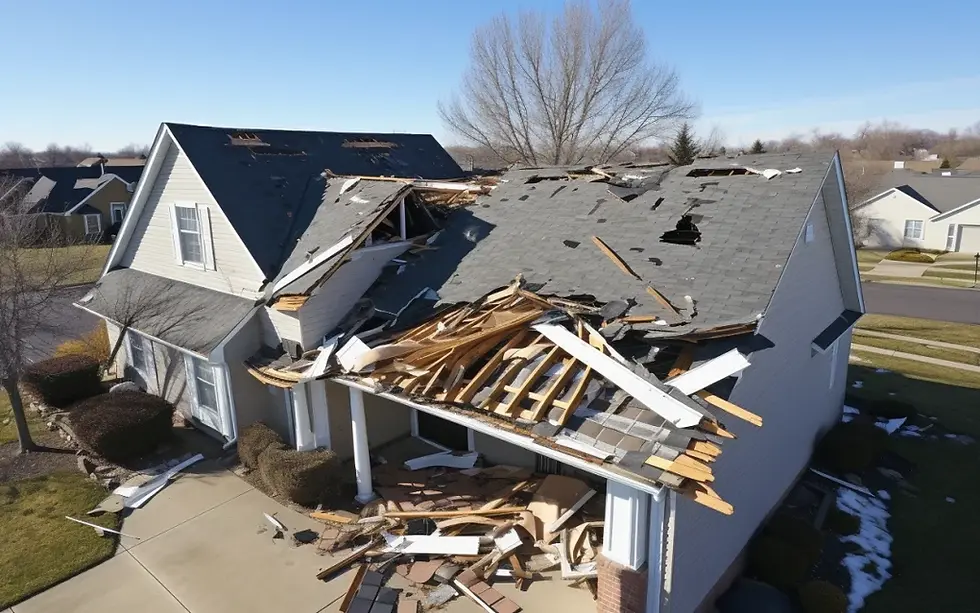
Before moving items or making temporary repairs, take wide photos and close-ups. Capture each damaged area from multiple angles. Include exterior and interior damage.
Good claim photos show:
The full room or exterior area
The path water took into the home
Stains, collapsed ceilings, or soaked materials
Missing shingles, damaged siding, or broken windows
Fallen trees or limbs
Damaged personal property
Serial numbers or labels on appliances and equipment when relevant
If you need to remove wet carpet, soaked drywall, or damaged belongings for safety, photograph them first. Keep samples when practical, such as a small piece of flooring or carpet, but do not keep anything that creates a health hazard.
Prevent further damage
Most policies require homeowners to take reasonable steps to protect the property after a loss. That may include tarping a damaged roof, boarding a broken window, drying wet areas, or hiring emergency mitigation.
Keep every receipt. Save invoices for tarps, pumps, fans, plywood, emergency repairs, hotel stays if the home is unlivable, and cleanup services. Take photos before and after temporary repairs.
Do not make permanent repairs before the insurance company has a fair chance to inspect, unless waiting would create more damage or a safety issue. Temporary repairs are different from full restoration.
Report the claim promptly
Contact your insurance carrier as soon as practical. Provide basic facts, not guesses. You do not need to diagnose the entire loss on the first call.
Share:
Date and approximate time of damage
Areas affected
Type of damage observed
Whether the home is safe to occupy
Any emergency repairs already made
Whether there may be flood, wind, tree, or water backup issues
Ask for the claim number and the adjuster’s contact information. Keep a written log of every call, email, and inspection.
How to avoid claim problems
Storm claims can get complicated when damage has multiple causes. A nor’easter might damage the roof, push rain into the attic, flood the basement, and knock out power. Each part of the loss may be reviewed under different policy terms.
To protect the claim, stay organized from the beginning.
Create one folder for:
Pre-storm photos and videos
Post-storm photos and videos
The insurance policy and declarations page
Receipts and invoices
Contractor estimates
Adjuster letters and emails
A call log
A list of damaged personal property
For damaged belongings, write down the item, approximate age, brand or model, and estimated replacement cost if known. Photos, manuals, receipts, and online order records can help.
Be careful with recorded statements. Answer truthfully, but do not speculate about hidden damage or causes you cannot confirm. If an adjuster says something is excluded, ask them to identify the specific policy language.
If a contractor, roofer, or mitigation company inspects the home, ask for written findings and photos. Avoid signing broad assignments of benefits or repair contracts before understanding the terms. If the claim involves a large loss, disputed cause, or denial, consider speaking with a public adjuster, attorney, or other qualified professional.

Watch for damage that appears later
Some nor’easter damage is obvious right away. Other problems show up days or weeks later.
Check for:
Ceiling stains
Bubbling paint
Musty odors
Damp insulation
Warped flooring
Soft drywall
Loose shingles in the yard
Cracked window seals
Basement seepage after delayed runoff
Mold-like growth in wet areas
Document new signs as soon as you find them. Notify the insurance company if the damage appears connected to the storm. Waiting too long can make it harder to show what caused the problem.
Pay close attention after snow melts. A home may seem fine during the storm, then show water entry when rooftop snow, ice, and clogged drainage begin to thaw.
A practical plan for the next 24 hours
If the nor’easter is close, focus on the highest-value tasks first.
If you have one hour
Take interior and exterior photos
Save your insurance policy to your phone
Bring loose outdoor items inside
Charge phones and power banks
If you have three hours
Clear gutters and downspouts if safe
Test the sump pump
Move basement items off the floor
Park vehicles away from trees
Gather flashlights, batteries, and supplies
If you have a full day
Have hazardous limbs removed by a professional
Review deductibles and water coverage
Buy fuel, batteries, and basic storm supplies
Create a simple claim folder
Check in with neighbors or relatives who may need help
The best time to prepare is before the wind picks up. The second-best time is now, while the steps are still simple.
A good nor’easter plan protects both the house and the paper trail. Document the property before the storm, reduce obvious risks, keep people safe during the event, and preserve evidence afterward. If damage occurs, report it promptly, keep records, and ask for policy language when coverage questions arise. That combination gives homeowners in Massachusetts, Rhode Island, and Connecticut a stronger footing when cleanup begins and the claim process starts.




Comments