top of page

Expert Public Adjusting, and claims consultation backed by the CPCU Credential. The CPCU designation (Chartered Property Casualty Underwriter) is the highest and most respected credential in the property insurance industry. It represents advanced, graduate‑level mastery of insurance coverage, claims handling, risk analysis, and ethics. Very few adjusters earn it — and even fewer Public Adjusters hold the credential.
 

As a CPCU‑certified Public Adjuster, I bring expert‑level understanding of how insurance companies evaluate claims, interpret policy language, and calculate settlements. This means your claim is prepared, documented, and presented with the same precision carriers use internally.
 

I don’t rely on guesswork or generic templates. I apply proven, industry‑standard methods to ensure every detail of your loss is captured and supported. My CPCU training reinforces a strict ethical code focused on protecting policyholders and advocating for fair, accurate settlements.

When you work with me, you’re working with the CPCU standard — the highest level of knowledge, ethics, and professionalism in the claims industry.

OIP (1).jpg
fixd-blog-77-1080x675.webp
ai-generated-waterfront-homes-in-a-row-on-the-water-with-reflection-of-sky-3d-rendering-of

When you suffer property damage in Maine., you deserve someone who works for you—not the insurance company. As a CPCU‑certified Maine Adjuster, I help homeowners and businesses turn complex losses into clear, fair outcomes. I document every detail, interpret your policy, negotiate on your behalf, and make sure your settlement reflects the true scope of your damage. My mission is simple: protect policyholders, eliminate confusion, and bring integrity, strategy, and clarity to every claim. After years of paying premiums, you deserve a professional who ensures your insurance finally works the way it should.

Alfred Smith CPCU Claims Services LLC

Helping families and businesses recover after loss — a regional adjuster bringing strategic claims leadership and CPCU-certified advocacy to every case.

Ice_dam_slate_roof-scaled-1.jpg

Our Services

01

Residential Claims

We provide expert advocacy for residential property claims, ensuring your home is valued accurately and your insurance settlement reflects the full extent of your loss. Your home, your belongings, and your additional living expenses are all essential parts of your claim, and we make sure nothing is overlooked or

underpaid.

02

Commercial Claims

We provide specialized support for commercial and industrial property claims, ensuring your building, business personal property, and loss of business income are fully recognized and accurately valued. Commercial losses affect more than the structure — they impact operations, inventory, equipment, and your ability to generate revenue.

Our assessments focus on the complete scope of your commercial loss so your insurance recovery reflects the true financial impact on your business. After years of paying premiums, it’s time for your insurance to pay what your policy promises.

03

Settlement Advocacy

If you’ve been underpaid or your claim wasn’t handled properly, you deserve a second look. We represent your interests throughout the entire claims process, ensuring every detail is documented, supported, and included in your pursuit of a fair and just settlement. Your policy has protections, your loss has value, and your claim deserves to be paid accurately.

Let me work for you — and make sure your settlement reflects the full extent of your damage.

Frequently asked questions

CPCU, AIC, AIM, ARM, Haag Certified Inspector

Licensed Public Adjuster in Massachusetts, Rhode Island and Connecticut · Licensed Adjuster in Maine

Insurance Claim Denied or Underpaid? We Fight for You

20261026_195421006_iOS.png

Your Insurance Advocate for Large and Complex Losses

Catastrophic Loss? Get a Professional on Your Side from Day One

Maine claims we handle

  • Snow load and roof collapse. Heavy, wet snow and layered ice can overload older roofs, barns, garages and low-slope additions. Whether it counts as a covered collapse often comes down to documentation and policy wording.

  • Ice dams. Water backing up under shingles and into ceilings and walls, a common winter loss across Maine.

  • Frozen and burst pipes. Especially at seasonal homes and camps, where vacancy and heat-maintained conditions in the policy can limit coverage.

  • Wind, nor'easters and coastal storms. Roof, siding and tree damage, and the wind-versus-flood disputes that follow coastal storms.

  • Fire and smoke. Structure, contents and additional living expense while you're out of your home.

  • Commercial property. Building damage, business personal property, and extra expense after a loss.

What we do on your claim

  • Review your policy and explain what it covers

  • Inspect and document all of the damage, including what's hidden

  • Prepare a complete, independent estimate of the loss

  • Present the claim to your insurer and negotiate the settlement

  • Handle the supplements, reinspections and paperwork so you don't have to

Your rights under Maine law

  • An adjuster must wait at least 36 hours after a loss before offering you a contract for services.

  • You can cancel a public adjusting contract within 2 business days after signing it. That notice must be printed prominently on the first page of the contract.

  • Fees must be reasonable for the services provided.

Talk to us before you accept the insurance company's offer

Book a free 20-minute claim consultation, or fill out our Free Claim Review form and Alfred will contact you.

Phone: 617-697-2646 Email: alfredsmithcpcu@gmail.com

Top 5 Insurance Claim Mistakes Homeowners Should Avoid

alfredsmithcpcu
Jul 17
3 min read

Filing an insurance claim after damage to your home can feel overwhelming. Many homeowners make avoidable mistakes that delay their claims or reduce the compensation they receive. Understanding these common errors can help you protect your interests and get the support you need quickly. This post highlights five key mistakes homeowners often make when filing insurance claims and offers practical advice to avoid them.


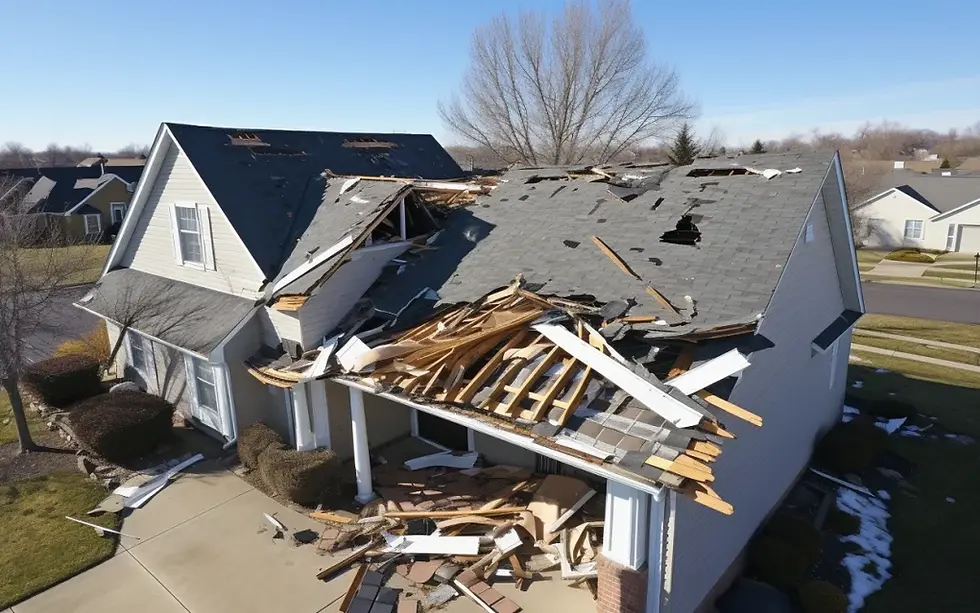
Eye-level view of a damaged residential roof with missing shingles
Damaged roof with missing shingles after a storm

Mistake 1: Not Documenting Damage Thoroughly


One of the biggest errors is failing to document the damage properly before starting repairs or cleanup. Insurance companies rely on clear evidence to assess your claim. Without detailed records, you risk having your claim denied or receiving less compensation.


How to avoid this mistake:


  • Take clear photos and videos of all damaged areas from multiple angles.

  • Include close-ups of specific damage and wider shots showing the full context.

  • Make a detailed list of damaged items and structural issues.

  • Keep receipts for any emergency repairs or temporary fixes.


For example, if a pipe bursts and floods your basement, photograph the water damage on walls, floors, and belongings before removing anything. This evidence helps your insurer understand the full extent of the loss.


Mistake 2: Delaying the Claim Submission


Waiting too long to file your claim can cause problems. Most insurance policies require claims to be reported within a specific timeframe. Delays can lead to denial or reduced payouts.


Tips to file promptly:


  • Review your policy to know the claim reporting deadline.

  • Contact your insurance company as soon as possible after discovering damage.

  • Keep a record of all communications with your insurer, including dates and names.


For instance, after a hailstorm damages your roof, notify your insurer within days rather than weeks. Prompt reporting shows you are proactive and helps speed up the claim process.


Mistake 3: Underestimating the Scope of Damage


Homeowners often underestimate how much damage occurred, especially with hidden issues like mold or structural weakening. This can lead to insufficient claims that don’t cover all necessary repairs.


How to assess damage accurately:


  • Hire a professional inspector or contractor to evaluate the damage.

  • Ask for a detailed written report outlining visible and hidden problems.

  • Include all repair costs, even for secondary damage caused by the initial event.


For example, water damage behind walls may cause mold growth that requires remediation. If you only claim for visible damage, you might miss coverage for these costly repairs.


Mistake 4: Accepting the First Settlement Offer Without Review


Insurance adjusters aim to minimize payouts, so their first offer may be lower than what you deserve. Accepting it without review can leave you undercompensated.


Steps to protect your claim value:


  • Review the offer carefully and compare it with your documented damage and repair estimates.

  • Get independent repair quotes to understand the true cost.

  • Negotiate with your insurer if the offer seems too low.

  • Consider consulting a public adjuster or attorney if needed.


For example, if your insurer offers $5,000 for roof repairs but independent contractors estimate $8,000, you should challenge the offer with supporting evidence.


Mistake 5: Not Understanding Your Policy Coverage


Many homeowners do not fully understand what their insurance policy covers and excludes. This can lead to surprises when claims are denied or partially paid.


How to avoid coverage confusion:


  • Read your policy carefully and ask questions about unclear terms.

  • Know the limits, deductibles, and exclusions that apply.

  • Keep your policy updated if you make home improvements or changes.

  • Use your insurer’s resources or a professional advisor to clarify coverage.


For example, some policies exclude damage from certain natural disasters like floods or earthquakes. Knowing this upfront helps you plan for additional coverage if needed.


Insurance claims can be complex, but avoiding these common mistakes puts you in a stronger position. Document damage carefully, file claims promptly, assess all damage thoroughly, review settlement offers critically, and understand your policy well. Taking these steps helps ensure you receive fair compensation and can restore your home without unnecessary stress.


If you face challenges with your claim, don’t hesitate to seek professional advice. Protecting your home investment starts with being informed and prepared.


Comments


bottom of page