.jpg)



Understanding ACV vs RC Payments for Home and Business Property Coverage
When it comes to insurance claims for your home or business property, understanding the difference between Actual Cash Value (ACV) and Replacement Cost (RC) payments can save you from unexpected financial burdens. These two terms define how much your insurer will pay after a loss, but they work very differently. Knowing which applies to your home, dwelling, business, personal property, or business personal property can help you make better decisions about your coverage and avoid surprises when you file a claim.
This article breaks down the key differences between ACV and RC payments, explains how they apply to various types of property, and offers practical examples to clarify what you can expect from your insurance policy.
What is Actual Cash Value (ACV)?
Actual Cash Value means the insurer pays you the current value of the damaged or lost property, factoring in depreciation. Depreciation accounts for wear and tear, age, and obsolescence. In other words, ACV reflects what the item was worth just before the loss, not what it would cost to replace it today.
How ACV Works
The insurer calculates the replacement cost of the item.
They subtract depreciation based on the item’s age and condition.
The result is the payout amount.
For example, if your 10-year-old roof is damaged, the insurer will pay the roof’s value after deducting depreciation for 10 years of use, not the cost to install a brand-new roof.
When ACV Applies
ACV is common for:
Personal property inside your home (furniture, electronics, clothing)
Business personal property (equipment, inventory)
Older homes or policies with limited coverage options
ACV policies tend to have lower premiums because the insurer’s risk is lower, but the trade-off is less money when you file a claim.
What is Replacement Cost (RC)?
Replacement Cost means the insurer pays the full cost to replace or repair the damaged property with new items of similar kind and quality, without deducting for depreciation. This type of payment helps you restore your property to its original condition.
How RC Works
The insurer estimates the cost to replace the item with a new one.
They pay that amount regardless of the item’s age or condition.
You receive enough money to buy a new equivalent item or repair the damage fully.
For example, if your 10-year-old roof is damaged, the insurer pays for a brand-new roof installation, not a depreciated value.
When RC Applies
RC coverage is typical for:
Dwelling coverage (the physical structure of your home or business building)
Newer homes or buildings
Business property where full replacement is critical to operations
RC policies usually have higher premiums but provide better financial protection after a loss.
Differences Between ACV and RC for Various Property Types
Property Type | ACV Coverage | RC Coverage |
Home (Dwelling) | Pays depreciated value of structure | Pays full cost to rebuild or repair |
Personal Property (Home) | Pays current value after depreciation | Pays cost to replace with new items |
Business Property | Pays depreciated value of assets | Pays full replacement cost |
Business Personal Property | Pays depreciated value of equipment | Pays cost to replace or repair fully |
Home and Dwelling Coverage
Dwelling coverage usually offers replacement cost payments because rebuilding your home with new materials is expensive. However, some policies may offer ACV for older homes or specific structures like detached garages.
Personal Property Coverage
Personal property inside your home, such as furniture or electronics, often falls under ACV coverage unless you purchase additional endorsements for replacement cost. This means you might receive less than what it costs to buy new items.
Business Property and Business Personal Property
For businesses, having replacement cost coverage on buildings and equipment is crucial to resume operations quickly after a loss. ACV coverage might leave you with insufficient funds to replace outdated or heavily used equipment.

Why Choosing Between ACV and RC Matters
Choosing the right type of coverage affects your financial recovery after damage or loss. Here are some key points to consider:
Financial Impact: ACV payments can leave you with out-of-pocket expenses to replace or repair property, especially if items are older or heavily used.
Premium Costs: RC coverage costs more upfront but offers better protection and peace of mind.
Policy Limits: Some policies limit RC coverage to certain property types or require endorsements to upgrade from ACV.
Claim Process: RC claims may require you to repair or replace the item before receiving full payment, while ACV claims pay immediately based on value.
Practical Examples to Illustrate ACV vs RC
Example 1: Homeowner’s Roof Damage
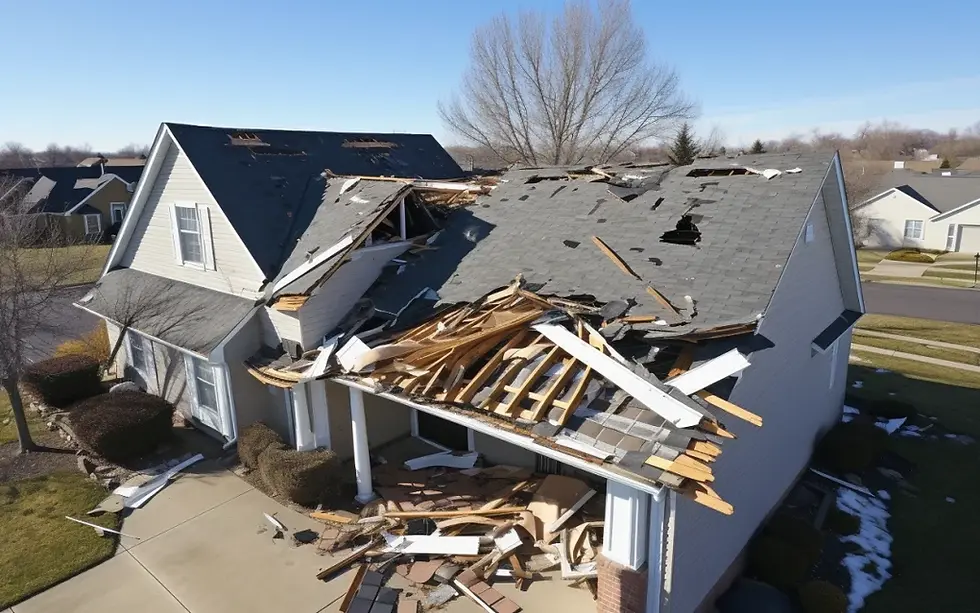
Your 15-year-old roof is damaged in a storm.
ACV policy pays $5,000 after depreciation.
RC policy pays $12,000 to replace the roof with new materials.
If you have ACV coverage, you must cover the $7,000 difference yourself.
Example 2: Business Equipment Loss
Your business loses a 5-year-old computer system.
ACV payout is $2,000 after depreciation.
RC payout is $4,500 to buy new equipment.
RC coverage helps you replace equipment quickly without extra cost.
Example 3: Personal Property Theft
Your 3-year-old television is stolen.
ACV payout is $400 based on current value.
RC payout is $800 to buy a new TV of similar quality.
ACV may not cover the full cost to replace your belongings.
Tips for Choosing the Right Coverage
Review your policy details carefully to understand if ACV or RC applies.
Consider the age and condition of your property and belongings.
For homes, prioritize RC coverage on the dwelling to avoid rebuilding costs.
For personal property, ask about endorsements that upgrade ACV to RC.
For businesses, ensure critical equipment and inventory have RC coverage.
Compare premium costs with potential out-of-pocket expenses after a claim.
Understanding the difference between Actual Cash Value and Replacement Cost payments helps you prepare for the financial impact of property loss or damage. While ACV may lower your premiums, it often means less money when you need it most. Replacement Cost coverage offers stronger protection by covering the full cost to repair or replace your home, business, and personal property. Review your insurance policy carefully and consider your needs to choose the coverage that best protects your assets and peace of mind.

Comments