.jpg)
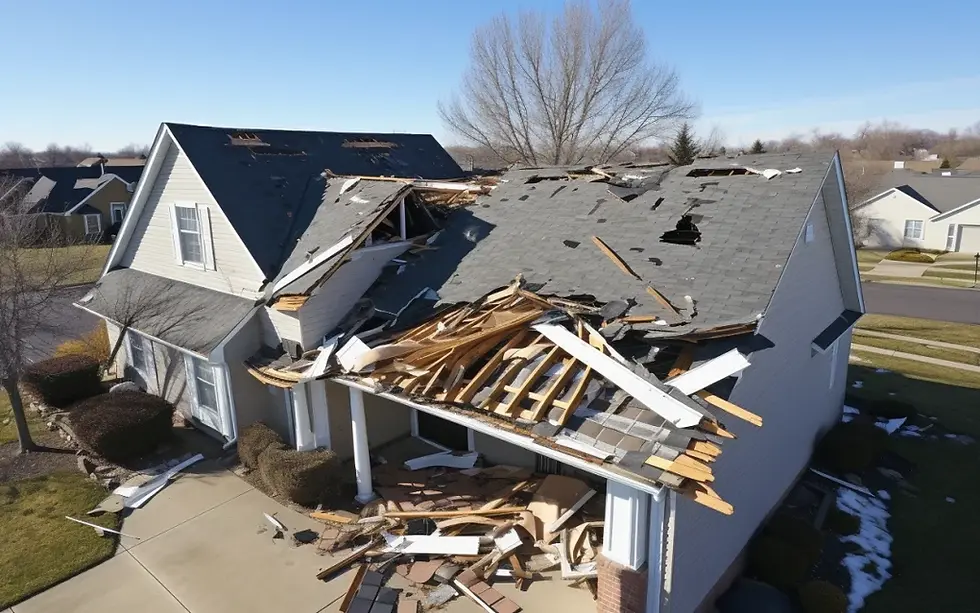



Why Call a Public Adjuster First and Choose the Right One to Protect Your Claim.

After a fire, storm, leak, or other property loss, the first calls often happen fast. A contractor may show up. The insurance company may ask for a recorded statement. An adjuster may schedule an inspection. In the middle of all that, one decision can shape the entire claim: who is looking out for you from the beginning?
That is why calling a public adjuster first can matter so much. A public adjuster works for the policyholder, not the insurance company. Their job is to document the damage, review the policy, prepare the claim, and help pursue the amount owed under the coverage.
This post is informational only and is not legal or financial advice. For questions about a specific claim, policy, or dispute, speak with a qualified professional in your state.

The first call can protect the claim before mistakes happen
A property claim begins long before the insurance company issues a payment. It starts with photos, emergency repairs, written notices, inspections, estimates, and conversations.
Small mistakes during this stage can create bigger problems later. For example:
Damaged materials may be removed before they are documented.
Temporary repairs may hide the cause or scope of the loss.
A statement may describe the damage too narrowly.
The first estimate may miss hidden damage.
Policy deadlines may pass unnoticed.
Calling a public adjuster early helps create order. They can explain what to preserve, what to photograph, what to document, and what to avoid saying or signing before the claim is fully understood.
This does not mean every claim becomes a fight. Many claims move forward without major conflict. But even a smooth claim needs a clear record. The better the claim is documented at the start, the harder it is for real damage to be overlooked later.
The insurance adjuster and the public adjuster have different roles
Insurance companies send adjusters to inspect losses and evaluate claims. Many are knowledgeable and professional. Still, they work for the insurance company. Their estimate is based on the carrier’s process, guidelines, and interpretation of the policy.
A public adjuster has a different responsibility. They represent the policyholder.
That difference matters because property damage is often more complex than it looks. A roof leak may involve insulation, drywall, flooring, electrical concerns, and mold prevention. A kitchen fire may affect cabinets, smoke-damaged rooms, appliances, and cleaning needs in areas that never touched flame.
A public adjuster can look beyond the obvious damage and ask practical questions:
What caused the loss?
What areas were affected?
What needs repair, replacement, cleaning, or testing?
What does the policy actually cover?
Are there limits, exclusions, or additional coverages that apply?
Is the insurance estimate complete?
The goal is not to inflate a claim. The goal is to make sure the claim reflects the actual covered damage.

The right public adjuster does more than write an estimate
Choosing a public adjuster is not only about licensing or claim experience, though both matter. The right person should care about the process and understand the pressure a property owner is under.
A strong public adjuster should bring three things to the claim.
They should be thorough
A rushed inspection can miss damage. A thorough public adjuster takes time to document the property, review the policy, gather evidence, and prepare a detailed scope of loss.
They should be able to explain what they are seeing in plain language. If they find damage behind walls, under floors, or in connected rooms, they should connect that damage to the loss with clear documentation.
They should communicate clearly
Property claims can be frustrating because people often do not know what is happening next. A good public adjuster should explain the process, set realistic expectations, and keep the policyholder informed.
That includes explaining delays, requests for more information, inspections, estimates, and settlement discussions. Silence creates stress. Clear communication protects trust.
They should put the policyholder first
The right public adjuster does not treat a claim like a transaction. They understand that the property may be someone’s home, rental, business location, or major investment.
That care shows in the details. They answer questions. They organize paperwork. They push for complete documentation. They help the policyholder avoid being pressured into a settlement before the full damage is known.
Calling a public adjuster first can help you collect what is rightfully yours
Insurance policies are contracts. The policyholder pays premiums in exchange for coverage when a covered loss occurs. When damage happens, the claim should be handled according to that contract.
But collecting what is rightfully owed is not always automatic.
The insurance estimate may not include all damaged areas. Pricing may not match the real repair scope. Code upgrades, debris removal, temporary living expenses, or business interruption items may need closer review, depending on the policy and the facts of the loss.
A public adjuster can help organize the claim so the insurance company has a complete package to review. That may include:
Photos and videos of the damage
Moisture readings or reports when needed
Repair estimates and scopes of work
Inventory lists for damaged personal property
Receipts for emergency services
Policy coverage references
Written explanations of disputed items
This kind of claim file can make a real difference. It gives the claim structure. It also helps reduce confusion when multiple people are involved, such as contractors, carrier adjusters, engineers, restoration companies, and specialists.

How to choose a public adjuster you can trust
Not every public adjuster is the right fit. Before signing any agreement, ask questions and listen carefully to the answers.
Look for someone who is licensed where required, experienced with your type of loss, and willing to explain their fee clearly. Ask how they document damage, how they communicate, and what role they will play if the claim becomes disputed.
Be cautious if someone promises a specific payout before reviewing the policy and inspecting the damage. Also be careful with high-pressure tactics, vague fees, or anyone who tells you not to ask questions.
A trustworthy public adjuster should welcome your questions. They should be direct about what they can do and what they cannot guarantee.
Good signs include:
A clear written agreement
A careful inspection process
Specific experience with similar losses
Plain-language explanations
Respect for your concerns
A focus on documentation, not drama
The best public adjuster is not just aggressive. The best public adjuster is prepared, ethical, responsive, and committed to protecting the claim.

The right help brings clarity when the claim feels overwhelming
A property loss can feel chaotic. There may be damaged rooms, urgent repairs, family disruption, missed work, and constant calls. In that moment, the right public adjuster can bring structure to the process.
Calling one first helps protect evidence, clarify coverage, and keep the claim from being defined too narrowly at the start. Choosing the right one matters just as much. You want someone who will care for the process, protect your interests, and help you pursue what the policy owes.
When damage happens, do not rush through the claim alone. Get informed early, ask careful questions, and make sure the person standing beside you is truly working for you.


Comments