


Understanding Property Claims: Tips from Alfred Smith CPCU Claims Services
Updated: 13 minutes ago
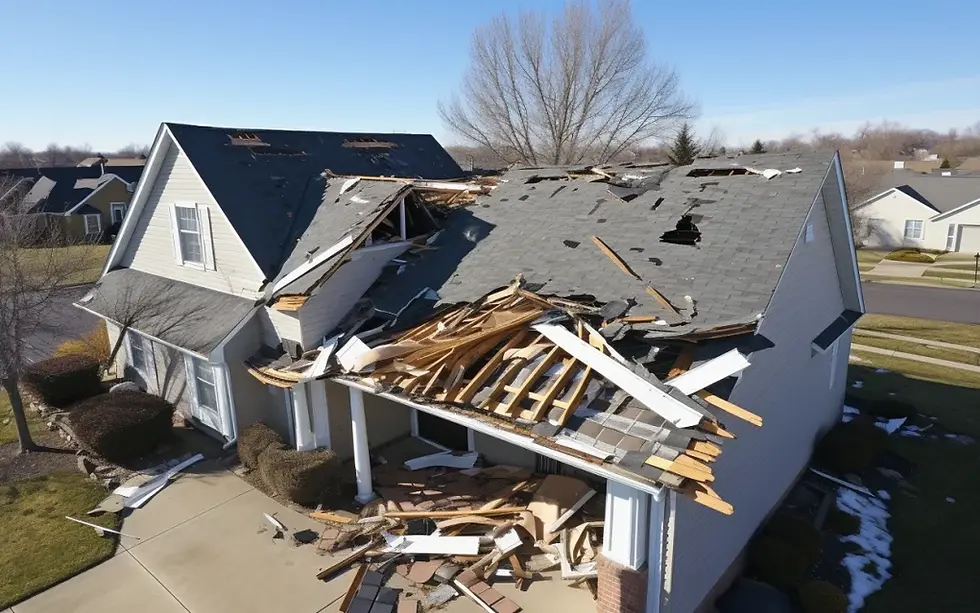
Navigating the world of property claims can be daunting. Whether you’re dealing with damage from a natural disaster, theft, or other unexpected events, understanding how to effectively manage your claim is crucial. This guide aims to provide you with practical tips and insights from A L Smith, a seasoned expert in the field of property claims.

What Are Property Claims?
Property claims refer to the process of seeking compensation from an insurance company for damage or loss to property. This can include residential homes, commercial buildings, and personal belongings. Understanding the nuances of property claims is essential for ensuring you receive the compensation you deserve.
Types of Property Claims
Homeowners Insurance Claims
These claims arise from damage to your home or personal property due to events like fire, theft, or natural disasters.
Commercial Property Claims
Businesses can file claims for damage to their physical assets, including buildings, equipment, and inventory.
Renters Insurance Claims
Renters can claim losses for personal property damaged or stolen from a rented space.
Auto Insurance Claims
While primarily focused on vehicles, auto insurance can also cover property damage resulting from accidents.
The Importance of Documentation
One of the most critical aspects of filing a property claim is thorough documentation. This includes:
Photographs: Take clear pictures of the damage from multiple angles.
Receipts: Keep receipts for any repairs or replacements.
Witness Statements: If applicable, gather statements from witnesses who can corroborate your claim.
Why Documentation Matters
Proper documentation serves as evidence to support your claim. Insurance companies often require detailed proof of loss before approving any compensation. Without adequate documentation, you risk delays or even denial of your claim.
Steps to File a Property Claim
Filing a property claim can be broken down into several key steps:
1. Review Your Insurance Policy
Before filing a claim, familiarize yourself with your insurance policy. Understand what is covered and any exclusions that may apply. This knowledge will help you set realistic expectations.
2. Notify Your Insurance Company
Contact your insurance provider as soon as possible after the incident. Most companies have a specific timeframe within which you must report a claim.
3. Complete the Claim Form
Fill out the claim form provided by your insurance company. Be as detailed as possible, providing all necessary information about the incident and the damages incurred.
4. Submit Documentation
Attach all supporting documentation to your claim form. This includes photographs, receipts, and any other relevant information.
5. Follow Up
After submitting your claim, follow up with your insurance company to ensure it is being processed. Keep a record of all communications for your reference.
Common Mistakes to Avoid
When filing a property claim, it’s easy to make mistakes that can hinder your chances of receiving compensation. Here are some common pitfalls to avoid:
1. Delaying the Claim Process
Time is of the essence when it comes to property claims. Delaying your claim can lead to complications and may even result in denial.
2. Underreporting Damages
Be honest and thorough when reporting damages. Underreporting can lead to insufficient compensation and may raise red flags with your insurer.
3. Not Understanding Your Policy
Many claimants fail to fully understand their insurance policy. Take the time to read and comprehend your coverage, limits, and exclusions.
4. Failing to Keep Records
Neglecting to keep detailed records of your claim process can lead to confusion and disputes later on. Maintain a file with all relevant documents.
Working with Adjusters
Insurance adjusters play a crucial role in the claims process. They assess the damage and determine the amount of compensation you may receive. Here’s how to effectively work with them:
1. Be Prepared
When the adjuster arrives, have all your documentation ready. This includes photographs, receipts, and any other relevant information.
2. Be Honest
Provide accurate information about the damages and the incident. Misleading information can jeopardize your claim.
3. Ask Questions
Don’t hesitate to ask the adjuster questions about the process. Understanding their role and the next steps can help alleviate any concerns.
Understanding the Claims Process Timeline
The timeline for processing a property claim can vary significantly based on several factors:
Complexity of the Claim: More complex claims may take longer to process.
Insurance Company Policies: Different insurers have varying timelines for claims processing.
State Regulations: Some states have laws governing how quickly insurers must respond to claims.
Typical Timeline
Initial Report: 1-2 days after the incident
Adjuster Visit: 1-2 weeks after reporting
Claim Decision: 2-4 weeks after the adjuster’s assessment
When to Consider Hiring a Public Adjuster
In some cases, you may want to consider hiring a public adjuster. These professionals work on behalf of the policyholder, helping to negotiate a fair settlement. Here are some scenarios where a public adjuster may be beneficial:
Complex Claims: If your claim involves extensive damage or complicated circumstances.
Disputes with Insurers: If you feel your insurer is not offering a fair settlement.
Time Constraints: If you lack the time or expertise to manage the claims process effectively.
Tips for Maximizing Your Claim
To ensure you receive the maximum compensation for your property claim, consider the following tips:
1. Be Proactive
Stay engaged throughout the claims process. Regularly check in with your insurance company and adjuster.
2. Know Your Rights
Familiarize yourself with your rights as a policyholder. This knowledge can empower you during negotiations.
3. Seek Professional Help
If you’re unsure about any aspect of the claims process, don’t hesitate to seek advice from professionals, whether it’s an attorney or a public adjuster.
Conclusion
Understanding property claims is essential for anyone who owns property. By following the tips outlined in this guide, you can navigate the claims process more effectively and increase your chances of receiving the compensation you deserve. Remember to document everything, communicate clearly with your insurance company, and don’t hesitate to seek help when needed.
With the right approach, you can turn a challenging situation into a manageable one, ensuring that you are supported every step of the way.


Comments