top of page

Expert Public Adjusting, and claims consultation backed by the CPCU Credential. The CPCU designation (Chartered Property Casualty Underwriter) is the highest and most respected credential in the property insurance industry. It represents advanced, graduate‑level mastery of insurance coverage, claims handling, risk analysis, and ethics. Very few adjusters earn it — and even fewer Public Adjusters hold the credential.
 

As a CPCU‑certified Public Adjuster, I bring expert‑level understanding of how insurance companies evaluate claims, interpret policy language, and calculate settlements. This means your claim is prepared, documented, and presented with the same precision carriers use internally.
 

I don’t rely on guesswork or generic templates. I apply proven, industry‑standard methods to ensure every detail of your loss is captured and supported. My CPCU training reinforces a strict ethical code focused on protecting policyholders and advocating for fair, accurate settlements.

When you work with me, you’re working with the CPCU standard — the highest level of knowledge, ethics, and professionalism in the claims industry.

OIP (1).jpg
fixd-blog-77-1080x675.webp
ai-generated-waterfront-homes-in-a-row-on-the-water-with-reflection-of-sky-3d-rendering-of

When you suffer property damage in Maine., you deserve someone who works for you—not the insurance company. As a CPCU‑certified Maine Adjuster, I help homeowners and businesses turn complex losses into clear, fair outcomes. I document every detail, interpret your policy, negotiate on your behalf, and make sure your settlement reflects the true scope of your damage. My mission is simple: protect policyholders, eliminate confusion, and bring integrity, strategy, and clarity to every claim. After years of paying premiums, you deserve a professional who ensures your insurance finally works the way it should.

Alfred Smith CPCU Claims Services LLC

Helping families and businesses recover after loss — a regional adjuster bringing strategic claims leadership and CPCU-certified advocacy to every case.

Ice_dam_slate_roof-scaled-1.jpg

Our Services

01

Residential Claims

We provide expert advocacy for residential property claims, ensuring your home is valued accurately and your insurance settlement reflects the full extent of your loss. Your home, your belongings, and your additional living expenses are all essential parts of your claim, and we make sure nothing is overlooked or

underpaid.

02

Commercial Claims

We provide specialized support for commercial and industrial property claims, ensuring your building, business personal property, and loss of business income are fully recognized and accurately valued. Commercial losses affect more than the structure — they impact operations, inventory, equipment, and your ability to generate revenue.

Our assessments focus on the complete scope of your commercial loss so your insurance recovery reflects the true financial impact on your business. After years of paying premiums, it’s time for your insurance to pay what your policy promises.

03

Settlement Advocacy

If you’ve been underpaid or your claim wasn’t handled properly, you deserve a second look. We represent your interests throughout the entire claims process, ensuring every detail is documented, supported, and included in your pursuit of a fair and just settlement. Your policy has protections, your loss has value, and your claim deserves to be paid accurately.

Let me work for you — and make sure your settlement reflects the full extent of your damage.

Frequently asked questions

CPCU, AIC, AIM, ARM, Haag Certified Inspector

Licensed Public Adjuster in Massachusetts, Rhode Island and Connecticut · Licensed Adjuster in Maine

Insurance Claim Denied or Underpaid? We Fight for You

20261026_195421006_iOS.png

Your Insurance Advocate for Large and Complex Losses

Catastrophic Loss? Get a Professional on Your Side from Day One

Maine claims we handle

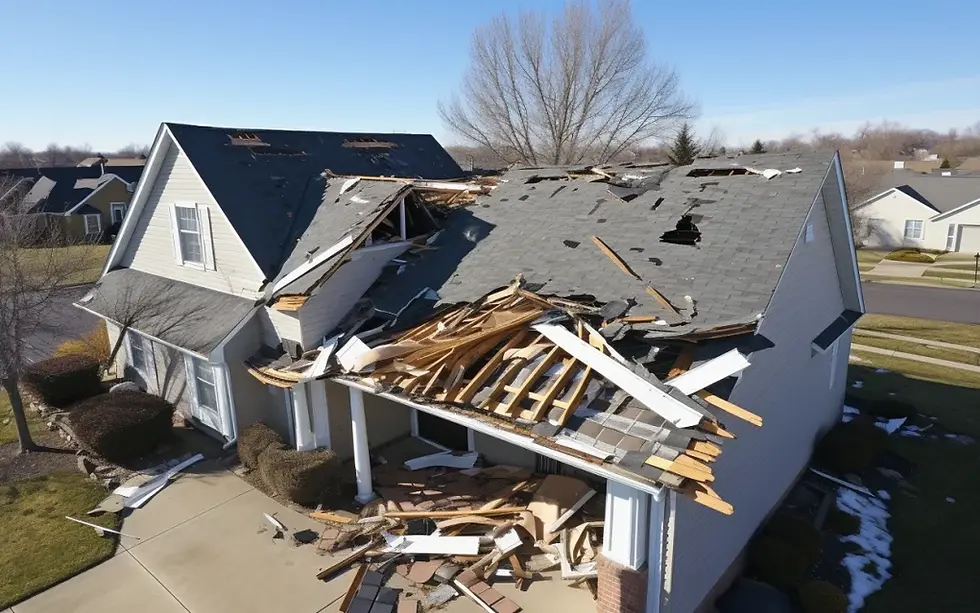
  • Snow load and roof collapse. Heavy, wet snow and layered ice can overload older roofs, barns, garages and low-slope additions. Whether it counts as a covered collapse often comes down to documentation and policy wording.

  • Ice dams. Water backing up under shingles and into ceilings and walls, a common winter loss across Maine.

  • Frozen and burst pipes. Especially at seasonal homes and camps, where vacancy and heat-maintained conditions in the policy can limit coverage.

  • Wind, nor'easters and coastal storms. Roof, siding and tree damage, and the wind-versus-flood disputes that follow coastal storms.

  • Fire and smoke. Structure, contents and additional living expense while you're out of your home.

  • Commercial property. Building damage, business personal property, and extra expense after a loss.

What we do on your claim

  • Review your policy and explain what it covers

  • Inspect and document all of the damage, including what's hidden

  • Prepare a complete, independent estimate of the loss

  • Present the claim to your insurer and negotiate the settlement

  • Handle the supplements, reinspections and paperwork so you don't have to

Your rights under Maine law

  • An adjuster must wait at least 36 hours after a loss before offering you a contract for services.

  • You can cancel a public adjusting contract within 2 business days after signing it. That notice must be printed prominently on the first page of the contract.

  • Fees must be reasonable for the services provided.

Talk to us before you accept the insurance company's offer

Book a free 20-minute claim consultation, or fill out our Free Claim Review form and Alfred will contact you.

Phone: 617-697-2646 Email: alfredsmithcpcu@gmail.com

Why Artificial Intelligence Is Counterproductive in Adjusting an Insurance Claim

alfredsmithcpcu
Jul 20
2 min read

Artificial intelligence is becoming more common in the insurance industry, especially in claim estimating and damage assessment. While AI can speed up paperwork, it often creates serious problems for homeowners. Insurance companies use AI to reduce costs, not to ensure you receive a fair payout. When AI replaces human judgment, important damage gets missed, repair costs are underestimated, and claims are closed too quickly. Here’s why AI is counterproductive in adjusting a claim — and why homeowners still need a real expert on their side.

Hello I am Artie!! I am bad for claims adjusting, this article explains why.

Artificial intelligence (Artie) is becoming more common in the insurance industry, especially in claim estimating and damage assessment. While Artie can speed up paperwork, it often creates serious problems for homeowners. Insurance companies use Artie to reduce costs, not to ensure you receive a fair payout. When Artie replaces human judgment, important damage gets missed, repair costs are underestimated, and claims are closed too quickly. Here’s why Artie is counterproductive in adjusting a claim — and why homeowners still need a real expert on their side.

Artie Can’t See Real Damage

Artie relies on photos, drones, and incomplete data. It cannot:

  • smell mold

  • detect moisture

  • identify structural issues

  • understand the severity of hidden damage

A human adjuster can like Alfred Smith CPCU Claims Services.

Artie Uses Generic Pricing

Artie estimating tools often use outdated or averaged pricing. Real‑world construction costs vary by:

  • region

  • contractor availability

  • material shortages

  • code upgrades

Artie doesn’t account for any of this — which leads to underpayments.

Artie Misses Context

Insurance claims are complex. Artie doesn’t understand:

  • sequencing of repairs

  • safety concerns

  • code compliance

  • manufacturer installation requirements

  • local building practices

This results in incomplete estimates and denied repairs.

Artie Is Built to Save the Insurance Company Money

Artie is trained on the insurer’s data. Its goal is:

  • speed

  • cost reduction

  • minimizing payouts

Not fairness.

Artie Can’t Negotiate

Claims are negotiations. Artie cannot:

  • argue

  • advocate

  • challenge a denial

  • push for supplements

  • reopen a claim

A public adjuster can — and does.

Why Homeowners Still Need a Public Adjuster

A public adjuster:

  • inspects the property in person

  • documents hidden damage

  • uses real pricing

  • submits supplements

  • negotiates directly with the insurer

  • protects the homeowner’s rights

Artie can’t do any of that.


AI may help insurance companies process claims faster, but it often leads to rushed inspections, missed damage, and unfair settlements. Homeowners deserve a real expert who understands construction, policy language, and negotiation — not a computer program making decisions about their home.

Public adjusters will win against Artie.

Comments


bottom of page