


Wind vs Flood Insurance for Coastal Homes in Narragansett Westerly and Newport
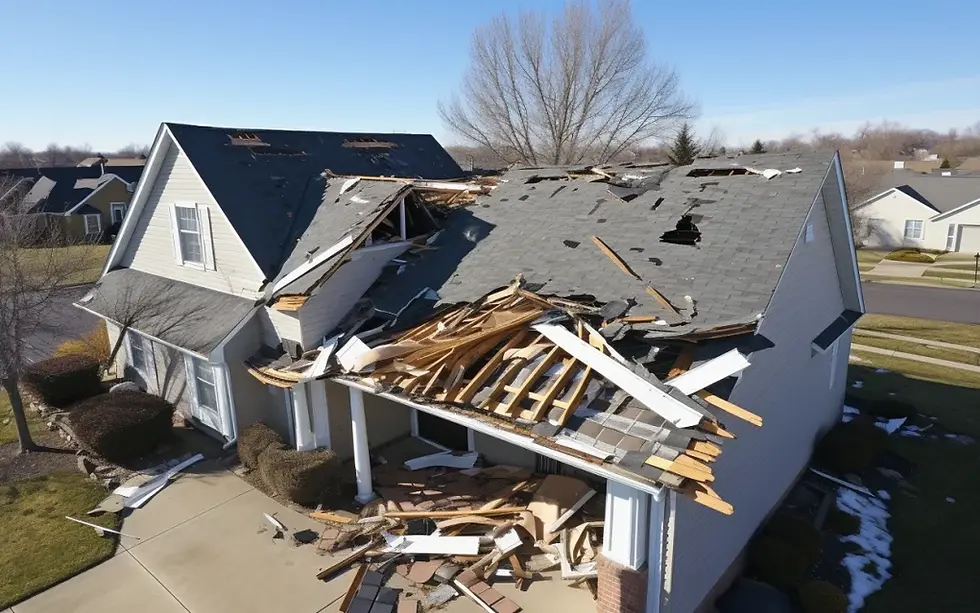
A coastal storm does not arrive in neat categories. It can tear shingles from a roof, push seawater through a garage, soak the first floor, topple a fence, and leave the owner staring at two insurance policies that seem to point at each other.
That is where the fight begins.
For coastal homes in Narragansett, Westerly, and Newport, the most expensive insurance question is often not whether damage happened. It is what caused the damage. Wind damage may fall under a homeowners policy. Flood damage usually does not. Storm surge, waves, and rising water are treated very differently from wind-driven rain or roof failure.
This article is informational only and is not legal, insurance, or financial advice. Policy language controls, and coastal homeowners should review their actual policies with a licensed insurance professional.

Why the wind versus flood question matters so much
Coastal insurance disputes often turn on one practical issue: which policy pays.
A standard homeowners policy may cover wind damage. That can include damage from:
Wind tearing off roof shingles
A tree falling on the house
Wind-driven rain entering after a covered roof or wall opening
Broken windows caused by windborne debris
Flood damage is different. Standard homeowners policies typically exclude flood. Flood insurance is usually purchased separately, often through the National Flood Insurance Program, known as the NFIP, or through a private flood insurer.
Flood usually means a general and temporary condition where water covers land that is normally dry. For coastal properties, that can include:
Storm surge
Waves
Tidal water
Overflow from nearby waterways
Surface water entering from outside the home
In a place like Narragansett, Westerly, or Newport, a single storm can bring both wind and flood. That creates a coverage gap if the home has wind coverage but no flood policy, or if both policies exist but each carrier argues the other cause did the damage.
Wind damage and flood damage are not the same loss
The distinction sounds simple until the damage overlaps.
A roof can fail because of wind. Rain can enter through the opening and damage ceilings, floors, insulation, and personal property. That is usually presented as a wind-related claim because wind created the opening.
By contrast, if seawater rises from the street, comes through doors and foundation openings, and soaks the first floor, that is usually a flood claim.
The hard cases sit in the middle.
A storm may break windows, allowing wind-driven rain into the living area. At the same time, surge may enter the crawlspace. Siding may be ripped away while floodwater damages mechanical systems. In that case, adjusters may need to decide which damage came from wind, which came from water, and whether the policy language allows separation.
That is why details matter.
Common signs of wind damage
Wind damage often appears above the ground level or on the exterior envelope of the home. Common indicators include:
Missing or lifted shingles
Damaged roof flashing
Broken skylights
Dented gutters from flying debris
Cracked siding or missing trim
Water stains under a roof opening
Tree impact damage
Broken windows from debris
Wind claims often depend on proving that wind created a path for water to enter. If rain entered through an old leak, poor maintenance, or gradual wear, the insurer may dispute payment.
Common signs of flood damage
Flood damage often leaves a horizontal story behind. It may show up as a waterline on walls, mud deposits, salt residue, swollen baseboards, damaged flooring, or corrosion on mechanical systems.
Common flood indicators include:
Waterlines on drywall or foundation walls
Sand, silt, or debris inside the home
Damage beginning at or near floor level
Wet insulation in crawlspaces
Rust or corrosion on HVAC systems
Saltwater damage to wiring or appliances
Buckled hardwood or laminate floors
In coastal Rhode Island, saltwater adds another problem. Even after visible water recedes, salt can continue damaging metal, electrical systems, and structural components.
Why Narragansett, Westerly, and Newport present special challenges
Narragansett, Westerly, and Newport all have coastal exposure, but not every property faces the same risk.
A house near Narragansett Town Beach may have a different exposure than one set back on higher ground. A Westerly home near Misquamicut or Watch Hill may face storm surge and wave action differently from a home farther inland. A Newport property near the harbor may have different risk factors than one on elevated terrain.
The key point is that coastal insurance should match the specific property, not just the ZIP code.
Two homes on the same road can have different risk profiles because of:
Elevation
Distance from open water
Foundation type
Flood zone
Prior loss history
Shoreline features
Age and construction
Roof shape and materials
Whether utilities sit above or below expected flood levels
Mortgage lenders may require flood insurance for properties in certain mapped flood zones. Yet lender requirements are not the same as full risk protection. A lender may care mainly about the structure securing the loan. The homeowner also has to think about personal property, temporary housing, detached structures, cleanup costs, and the cost to rebuild under current codes.
The policy language that drives most disputes
Insurance disputes are not decided by common sense alone. They are decided by the policy language, the facts of the loss, and the available evidence.
Three parts of the policy deserve close attention.
The flood exclusion
Most homeowners policies exclude flood. The exclusion usually applies even if the flood comes from a major storm. Many owners learn this only after a loss, when the homeowners insurer denies the water portion of the claim and points to a separate flood policy.
If there is no flood policy, the owner may have no coverage for storm surge or rising water.
The wind or hurricane deductible
Coastal homeowners policies often include a special wind, named storm, or hurricane deductible. Unlike a flat deductible, this may be calculated as a percentage of the insured value of the home.
That can create a much larger out-of-pocket cost than expected. A homeowner who is used to a standard deductible may be surprised after a coastal storm.
The wording matters. Some deductibles apply only when a hurricane is officially involved. Others may apply to named storms or wind events. The trigger varies by policy.
Anti-concurrent causation language
Some policies include language that can limit coverage when an excluded cause and a covered cause contribute to the same loss. This is often called anti-concurrent causation language.
In plain terms, the insurer may argue that if flood contributed to the damage, the homeowners policy does not pay, even if wind also played a role.
This language can be central in coastal claims. It is one reason the wind versus flood dispute can become technical quickly.

How insurers investigate the cause of coastal storm damage
After a serious coastal loss, insurers may send adjusters, engineers, flood specialists, or other consultants. Their job is to inspect the property and connect the damage to a covered or excluded cause.
They may look at:
Roof condition before the storm
Patterns of missing shingles
Direction of wind damage
Height of water marks
Timing of storm surge
Nearby damage to similar homes
Weather data
Photos taken before and after the storm
Foundation and structural movement
Whether doors or windows failed before water entered
The sequence matters.
If wind opened the roof first and rain damaged the interior before any floodwater arrived, that supports a wind claim for those interior damages. If floodwater arrived first and caused the same interior damage, the homeowners insurer may deny that portion.
A clean claim file helps. Photos, videos, repair records, and written timelines can make the difference between a vague dispute and a clear presentation.
A practical claims example from a coastal storm
Picture a coastal home in Westerly after a strong storm.
The roof has missing shingles on the ocean-facing slope. A second-floor bedroom ceiling is stained and wet. The garage has a clear waterline two feet above the floor, with sand deposits near the door. The HVAC unit in the lower level has corrosion and water damage.
This is not one claim issue. It is several.
The roof and second-floor bedroom may point to wind-related damage, assuming wind opened the roof and rain entered. The garage waterline and sand deposits point to flood. The HVAC damage may also be flood-related if the water rose from outside.
A homeowner with both homeowners coverage and flood insurance may need to file under both policies. Each insurer may inspect separately. Each may ask for different documentation.
A homeowner without flood insurance may still have a valid wind claim, but the flood-damaged portions may remain excluded. That is the harsh reality of coastal property coverage.
What coastal homeowners should review before the next storm
Insurance is easiest to fix before a loss. Once a named storm is approaching, options may shrink. Insurers may pause new coverage or changes when a storm is near.
A useful coastal insurance review should include the following.
Coverage issue | Why it matters |
Homeowners wind coverage | Confirms whether wind damage is covered and whether special deductibles apply |
Flood insurance | Covers damage from rising water, storm surge, and tidal flooding when included under the policy |
Building coverage limits | Helps determine whether the structure is insured close to the cost to rebuild |
Personal property coverage | Protects belongings, subject to policy terms and limits |
Loss of use coverage | May help with living expenses if the home is uninhabitable after a covered loss |
Ordinance or law coverage | May help with added costs when repairs must meet current building codes |
Detached structures | Matters for garages, sheds, guest cottages, docks, and similar property |
Basement or lower-level limits | Flood policies often treat below-grade or lower areas differently |
The goal is not to buy every possible policy. The goal is to know what is covered, what is limited, and what is excluded.
Documentation that can protect a claim
Good documentation does not guarantee payment, but it gives the claim a stronger foundation.
Before storm season, coastal homeowners should keep:
Photos of every side of the home
Roof photos if safe and practical
Photos of mechanical systems
A video walkthrough of each room
Receipts for major improvements
Roof repair and maintenance records
Elevation certificate, if available
Flood policy declarations
Homeowners policy declarations
Contractor invoices and prior inspection reports
After a storm, safety comes first. Do not enter unsafe buildings, touch wet electrical systems, or climb damaged roofs.
When it is safe, document before cleanup:
Take wide photos and close-ups
Capture waterlines before they dry or get removed
Photograph debris patterns
Save damaged materials when practical
Keep receipts for emergency repairs
Write down when damage was first discovered
Track calls and emails with insurers and contractors
Temporary repairs are often necessary to prevent further damage. Tarping a roof, boarding broken windows, and drying wet areas can be reasonable steps. Keep receipts and take photos before and after the work.
Why both policies may be needed
A common mistake is assuming that a strong homeowners policy is enough for a coastal home. For properties exposed to storm surge, it usually is not.
Another mistake is assuming flood insurance covers everything water-related. It does not. Flood insurance has its own limits, exclusions, and definitions. It may not pay for wind damage to the roof, wind-driven rain through an opening, or all types of living expenses.
For many coastal homes, homeowners and flood policies work together, but they do not overlap perfectly.
Homeowners policy
Covers many non-flood risks, often including wind, fire, theft, liability, and certain interior water losses. Coastal deductibles and exclusions can apply.
Flood policy
Covers qualifying flood damage, often including storm surge and rising water. Limits, waiting periods, and restrictions can apply.
Owners of higher-value coastal homes may also hear about private flood coverage or excess flood coverage. These options can sometimes provide limits or terms that differ from standard NFIP coverage. They require careful review because private policies are not all written the same way.
Questions to ask before renewing coastal coverage
A renewal packet can be dense, but a short list of questions can reveal major gaps.
Ask the insurance agent or carrier:
Does my homeowners policy cover wind damage from tropical storms and hurricanes?
Is there a separate wind, named storm, or hurricane deductible?
How is that deductible calculated?
Does my policy exclude flood, surface water, storm surge, or waves?
Do I have flood insurance now?
What are the building and personal property limits on the flood policy?
Are lower-level areas limited?
Are detached structures covered?
Do I have ordinance or law coverage?
Would temporary housing be covered after a wind loss, a flood loss, or both?
Are there waiting periods for new flood coverage?
What documents should I keep before a claim?
The answers should be in writing when possible. A short email summary after a call can prevent confusion later.
The biggest mistake is waiting until after the storm
Wind versus flood disputes are stressful because they happen when the homeowner is already dealing with damage, cleanup, contractors, and displacement. The insurance file can become one more burden.
Preparation reduces that burden.
For coastal properties in Narragansett, Westerly, and Newport, the smartest step is a pre-loss coverage review. Confirm how the homeowners policy treats wind. Confirm whether flood insurance exists and what it covers. Look closely at deductibles, exclusions, and limits. Keep photos and records before the weather turns.
A storm may bring wind and water at the same time, but insurance policies separate them. Coastal owners who understand that split before a loss are in a much better position when the claim begins.
Brought to you by Alfred Smith CPCU Claims Services LLC


Comments