.jpg)



5 Signs Your Insurance Company May Be Acting in Bad Faith
A claim should not feel like a second disaster. After a crash, fire, storm, theft, injury, or other covered loss, the insurance company is supposed to review the claim fairly and respond in a reasonable way. When it does not, the problem may be more than poor customer service.
Insurance bad faith is a legal concept that can apply when an insurer fails to honor its duties under the policy and the law. The exact rules vary by state, and every claim turns on its facts. Still, certain patterns should make you slow down, document everything, and consider getting legal advice.
This article is for general information only and is not legal advice.

1. The company denies your claim without a clear reason
A denial is not automatically bad faith. Policies have limits, exclusions, deadlines, and conditions. Some claims are denied for valid reasons.
The warning sign is a denial that feels thin, rushed, or unsupported.
A fair denial should usually explain:
The specific policy language the insurer relied on
The facts used to reach the decision
Any exclusions or conditions that apply
Whether any part of the claim remains open
How to submit more information or appeal, if appeal rights exist
A vague letter that says the loss is “not covered” without pointing to policy terms may be a problem. So can a denial that ignores key facts you already provided.
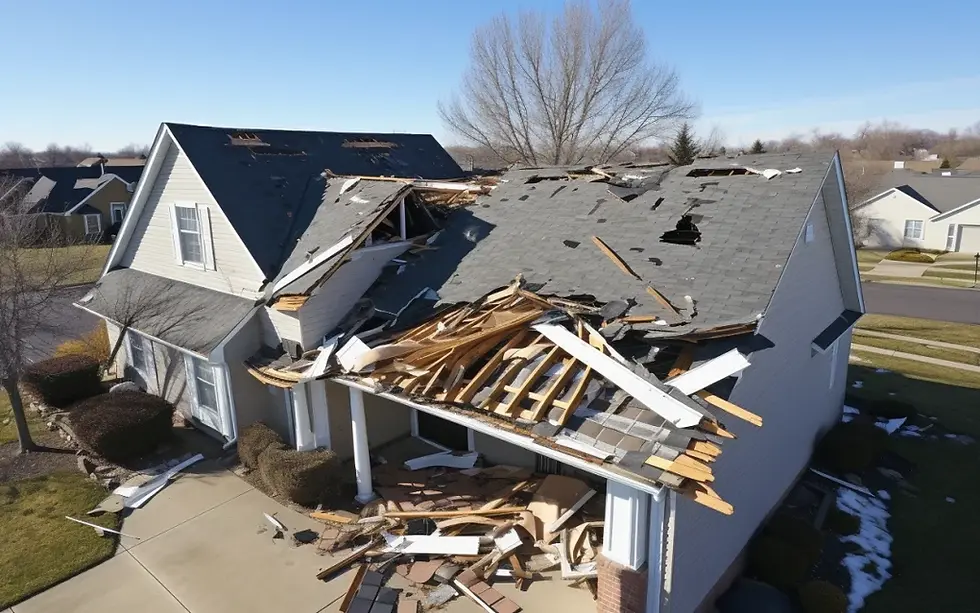
For example, say a homeowner reports storm damage. The insurer denies the claim by saying the damage came from “wear and tear,” but it never sends an adjuster onto the roof, never reviews repair photos, and never explains how it ruled out recent wind damage. That kind of response raises questions.
The same can happen in auto, disability, life, health, or business insurance claims. If the insurer refuses to connect its decision to real evidence and actual policy language, it may be avoiding its duty to fairly evaluate the claim.
Keep a copy of the denial letter. Read the cited policy terms carefully. If the letter cites no terms at all, make a written request for the specific basis for denial.
2. Your claim is delayed again and again for no good reason
Insurance claims take time. The company may need photos, estimates, medical records, police reports, proof of ownership, statements, or expert opinions. Some delays are normal.
Long delays become suspicious when they lack a real reason.
Common red flags include:
Repeated promises that someone will “get back to you” with no follow-up
Multiple requests for the same documents
Long periods with no update
A claim file that keeps getting reassigned
Deadlines that pass without explanation
Silence after you provide everything requested
Many states have rules that require insurers to acknowledge claims, investigate, and respond within certain time frames. Those rules vary, but the basic idea is simple: an insurer should not let a claim sit without a reasonable basis.
Delay can be especially harmful when the claim involves housing, transportation, medical care, or business income. A person waiting on a covered rental car or temporary housing payment may face real pressure to accept less than the claim is worth. A business waiting on property repairs may lose customers while the insurer “reviews” the file for months.
A delay becomes more troubling when the insurer benefits from waiting and you bear the cost.
If this is happening, create a claim timeline. Include every call, email, document request, upload, inspection, and promised response date. A clean timeline can show whether the carrier is moving the claim forward or stalling.

3. The settlement offer is far lower than the evidence supports
A low offer is one of the most common frustrations in insurance claims. It does not always mean bad faith. People can disagree about repair costs, medical damages, depreciation, replacement value, or liability.
The concern grows when the offer ignores obvious evidence or seems designed to push you into a quick settlement.
Watch for these patterns:
The adjuster relies on an estimate that leaves out visible damage
The company refuses to explain how it calculated the offer
The insurer uses outdated prices for labor or materials
The offer does not match the policy benefits you purchased
The carrier discounts medical expenses without a reasonable basis
The insurer pressures you to accept before you can gather documents
For property claims, a low estimate may leave out code-related repairs, hidden damage, matching issues, debris removal, or temporary living expenses. For auto claims, the company may undervalue a totaled vehicle by relying on poor comparisons. For injury-related claims, the insurer may minimize treatment, lost income, or future needs without support.
If the insurance company’s position conflicts with independent estimates, receipts, photos, medical records, or expert reports, ask for the basis of the offer in writing.
A useful response might include:
A short letter rejecting the offer as incomplete
Copies of repair estimates or invoices
Photos or videos of the damage
Written explanations from contractors, mechanics, doctors, or other qualified professionals
A request for the policy language and valuation method used
Do not rely only on phone calls. Verbal explanations can change. Written records matter.
4. The investigation feels one-sided or incomplete
A good-faith claim investigation should look at the evidence with an open mind. The insurer does not have to accept everything at face value, but it should make a fair effort to find out what happened.
A one-sided investigation may look like this:
The adjuster speaks only with people who support denial
The insurer ignores photos, reports, or witness statements you submit
The company decides before the inspection is complete
The insurer refuses to inspect damaged property
The carrier relies on an expert who never examines the loss in person when an inspection would matter
The company asks narrow questions designed to create a denial
This issue often appears when the cause of loss is disputed. For example, a roof claim may turn on whether damage came from wind or age. A fire claim may involve questions about origin. A disability claim may require review of medical records and job duties. A liability claim may involve interviews, scene evidence, and witness statements.
If the insurer only gathers facts that support its preferred answer, the investigation may be unfair.
Misrepresenting the policy can also be part of a bad-faith pattern. An adjuster may say, “Your policy does not cover that,” when the policy actually includes coverage with conditions. Or the insurer may rely on an exclusion while ignoring an exception to that exclusion.
Insurance policies can be hard to read, but the company should not use that complexity against you. Ask the insurer to identify the exact policy page, section, condition, exclusion, or endorsement that supports its position.

5. The insurer pressures you, threatens you, or discourages help
Insurance companies can ask questions. They can request documents. They can investigate fraud. They can negotiate hard.
The problem starts when the tone shifts from normal claim handling to unfair pressure.
Bad faith concerns may arise if the insurer:
Tells you that you must accept the offer immediately
Suggests your claim will be closed if you ask too many questions
Discourages you from speaking with a lawyer, public adjuster, contractor, doctor, or mechanic
Accuses you of dishonesty without evidence
Demands broad records that have little connection to the claim
Uses confusing forms to get you to waive rights
Fails to tell you about benefits that clearly apply
A third-party liability claim can create another kind of pressure. If someone sues you after an accident and your insurer controls the defense and settlement, the insurer must take your interests seriously. Refusing a reasonable settlement within policy limits can expose the policyholder to extra risk. Bad faith issues can arise when the insurer protects its own money while leaving the insured person personally exposed.
First-party claims, such as homeowners, auto collision, life, disability, health, or uninsured motorist claims, have their own pressure points. A carrier may delay or underpay because it knows the policyholder needs money quickly.
High pressure is not proof of bad faith by itself. But pressure combined with delay, weak explanations, and ignored evidence deserves attention.
If an adjuster makes a concerning statement over the phone, write it down right away. Note the date, time, phone number, name, and exact wording as closely as you can. Then send a short email confirming what was said.
For example:
“I am writing to confirm our call on March 12. You stated that the claim would be closed unless I accepted the current offer by Friday. Please let me know if I misunderstood.”
This kind of message creates a record and gives the insurer a chance to correct the statement.
What to do if you suspect bad faith
The best response is calm, organized, and written. Do not ignore deadlines, and do not stop cooperating with reasonable requests. At the same time, do not accept an unfair result just because the process is exhausting.
Start with these steps.
Review the policy
Look for the declarations page, coverage limits, deductibles, exclusions, duties after loss, proof of loss requirements, and appeal or appraisal provisions. If you do not have a full copy, request one.
Keep everything in one place
Save letters, emails, claim portal messages, estimates, invoices, reports, photos, videos, medical records, and receipts. Keep notes from phone calls.
A simple claim log can include:
Date | What happened | Who was involved | Follow-up needed |
March 4 | Submitted photos and repair estimate | Claim portal | Await written response |
March 9 | Called adjuster about inspection | Adjuster | Adjuster promised update |
March 15 | Received low offer | Insurer | Request calculation method |
Ask direct questions in writing
Short, specific questions are harder to dodge. Ask:
What policy language supports your decision?
What facts did you rely on?
What documents are still missing?
What is the deadline for your response?
Who is currently assigned to the claim?
How did you calculate the payment amount?
Avoid signing broad releases too quickly
A release may end your claim. Before signing, make sure you understand what claims, damages, dates, and parties it covers. Some releases are limited. Others are broad.
Get help when the stakes are high
If the claim involves major property damage, serious injury, disability benefits, a lawsuit against you, or a large denial, legal advice can help you understand your options. Some states also allow complaints to the state insurance department, though that process is separate from a private legal claim.

A pattern matters more than one bad call
One rude adjuster or one confusing letter may not prove bad faith. Insurance claims involve mistakes, miscommunication, and disagreement. The bigger concern is a pattern.
A stronger bad-faith concern may exist when several warning signs appear together:
A weak denial
Repeated delays
Low offers with no clear math
Ignored evidence
Pressure to settle quickly
Misleading statements about coverage
The more the insurer’s conduct departs from a fair, reasonable claim process, the more seriously you should take it.
Do not wait until the file becomes unmanageable. Ask for explanations early. Keep records from the start. Respond in writing. Read before you sign. If the company’s conduct keeps getting worse, speak with someone who understands insurance law in your state.
The claim process should be fair, even when the answer is disputed. If your insurer will not explain its decision, will not review the evidence, and will not treat the claim honestly, that is more than frustrating. It may be a sign that you need to protect yourself.



Comments