.jpg)



Rhode Island: The Ocean State's Property Insurance Problem, and What It Means for You!!
Rhode Island has roughly 400 miles of coastline packed into the smallest state in the country. That makes for beautiful views and a difficult insurance market. Whether you live on Aquidneck Island, along Narragansett Bay, or in an older home in Providence, Pawtucket or North Providence, the rules that govern your claim are more complicated than most homeowners realize.

Hurricane deductibles have specific rules in Rhode Island
Many Rhode Island policies carry a separate hurricane deductible written as a percentage of your dwelling limit. State regulation caps that deductible at 5 percent of the insured value of the dwelling (RI regulation 230-RICR-20-05-13). On a $400,000 home, that is up to $20,000 out of your pocket before coverage starts.
The good news is that Rhode Island law defines exactly when that deductible can apply. Under R.I. Gen. Laws § 27-76-2, the hurricane deductible applies to losses from a hurricane that produces hurricane-force sustained winds in the state, during the period starting when the National Hurricane Center issues a hurricane warning for any part of Rhode Island and ending 24 hours after the last warning ends. Block Island has its own trigger based on sustained winds measured there.
That matters. If your roof was damaged by a nor'easter, a severe thunderstorm, or a tropical storm that never met those conditions, the larger hurricane deductible should not apply. Insurers are also limited to applying the hurricane deductible once per calendar year, even if more than one hurricane hits (RI regulation). I regularly see claims where the wrong deductible was applied. Always ask which deductible was used, and why.
Watch for windstorm deductibles too
Some policies also carry a separate percentage windstorm deductible for wind events that are not hurricanes. Read your declarations page carefully. A 2 percent wind deductible on a home insured for $400,000 is $8,000, which can wipe out much of a partial roof claim.
Coastal non-renewals and the FAIR Plan
Private carriers have tightened their appetite for coastal Rhode Island for years. Homeowners who receive a non-renewal often move to the Rhode Island FAIR Plan, the state's insurer of last resort. FAIR Plan coverage is generally more limited and more expensive than a comparable private policy. Like standard homeowners policies, it does not cover flood, so coastal owners typically need a separate flood policy.
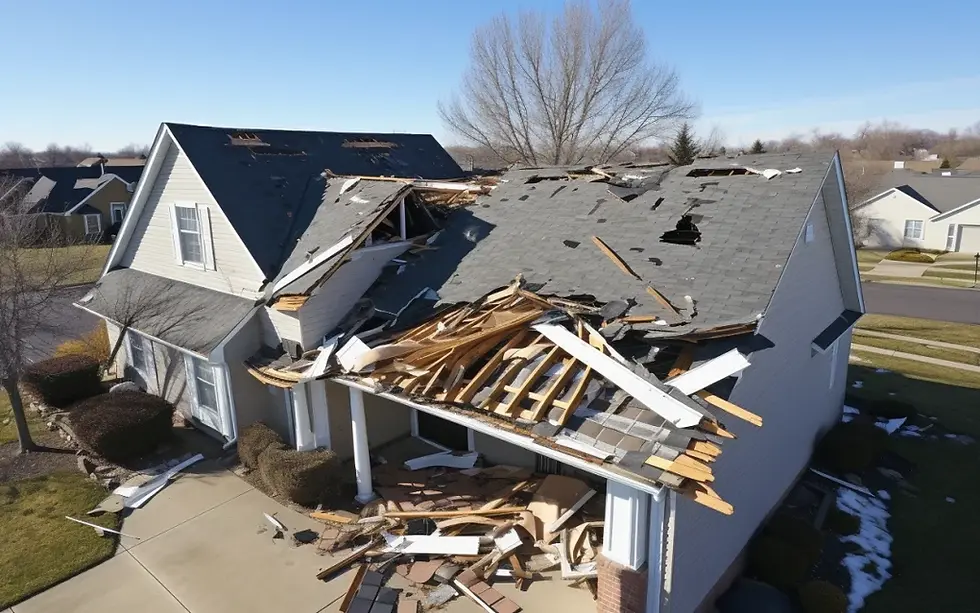
After a coastal storm, that split creates one of the most common fights in claims: was the damage caused by wind, which your homeowners or FAIR Plan policy covers, or by storm surge and flooding, which it does not? Careful documentation of the order of damage, water lines, debris patterns and roof openings can make the difference.
Older homes, bigger surprises
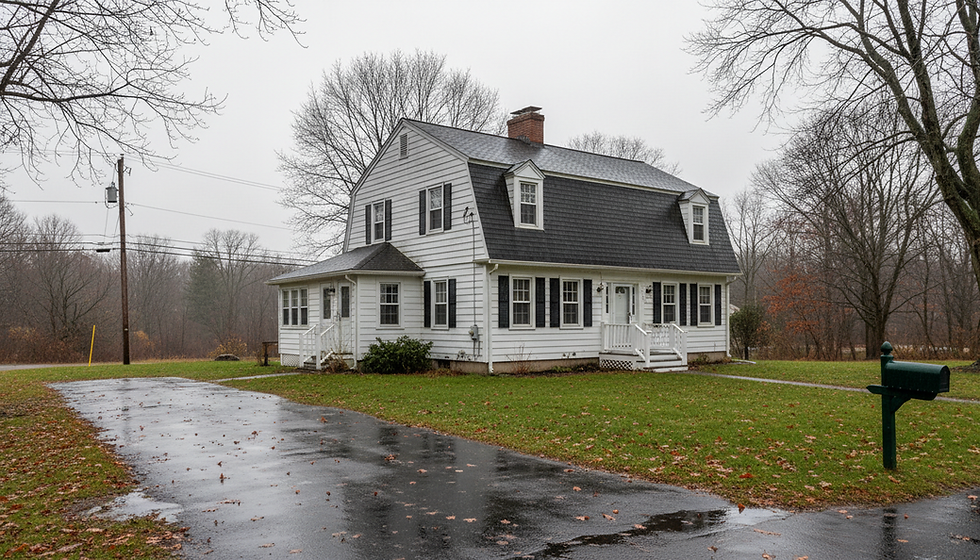
Much of Rhode Island's housing stock is old: multi-family homes, triple-deckers and colonials built long before modern codes. A covered loss on an older home often uncovers knob-and-tube wiring, undersized framing, or materials that can no longer be matched. Code upgrades, matching, and the true cost of skilled repair work are often underestimated in a carrier's first estimate.
Water losses are also common, especially during renovations and heavy rain. Damage that happens while a roof or wall is open can raise questions about exclusions and "vacancy" or "construction" policy language. These claims need careful handling from day one.
How a public adjuster helps
A licensed Rhode Island public adjuster represents you, not the insurance company. I review your policy and deductibles, confirm whether hurricane deductible conditions were actually met, document and price the full scope of the damage, and negotiate with the carrier. If you believe your claim is being handled unfairly, you also have the right to file a complaint with the Rhode Island Department of Business Regulation, Insurance Division.
I have spent more than 25 years working large property losses, much of it on the carrier side. I know where insurers' estimates tend to fall short, and I use that knowledge to protect you.

Had a loss in Rhode Island? Contact Alfred Smith CPCU Claims Services LLC for a free claim review. Call 617-697-2646, email alfredsmithcpcu@gmail.com, or visit alfredsmithcpcu.com.


Comments