.jpg)



Connecticut Homeowners Face the Steepest Rate Hikes in the Nation What It Means When You File

Connecticut homeowners are feeling a squeeze that goes beyond a higher bill in the mail. As home insurance premiums climb faster here than almost anywhere else in the country, every claim decision starts to feel more loaded.
A storm-damaged roof, a burst pipe, a fallen tree, or a flooded basement used to be a simple question: “Is this covered?” Now, many homeowners are asking a harder one: “If I file, what happens next?”
The answer matters. Higher rates do not mean insurance companies are more willing to pay. They also do not mean every loss is worth filing. In Connecticut, where coastal weather, older homes, winter freeze risks, and rising repair costs all collide, filing a claim now requires more care than it did a few years ago.
This article is informational only and is not legal, financial, or insurance advice. Policy language controls coverage, and claim decisions depend on the facts of the loss.

Why Connecticut rates are getting national attention
Home insurance is rising across much of the United States, but Connecticut has drawn attention because homeowners here have been seeing especially sharp increases. The reasons are not limited to one event or one company.
Several pressures are hitting at the same time.
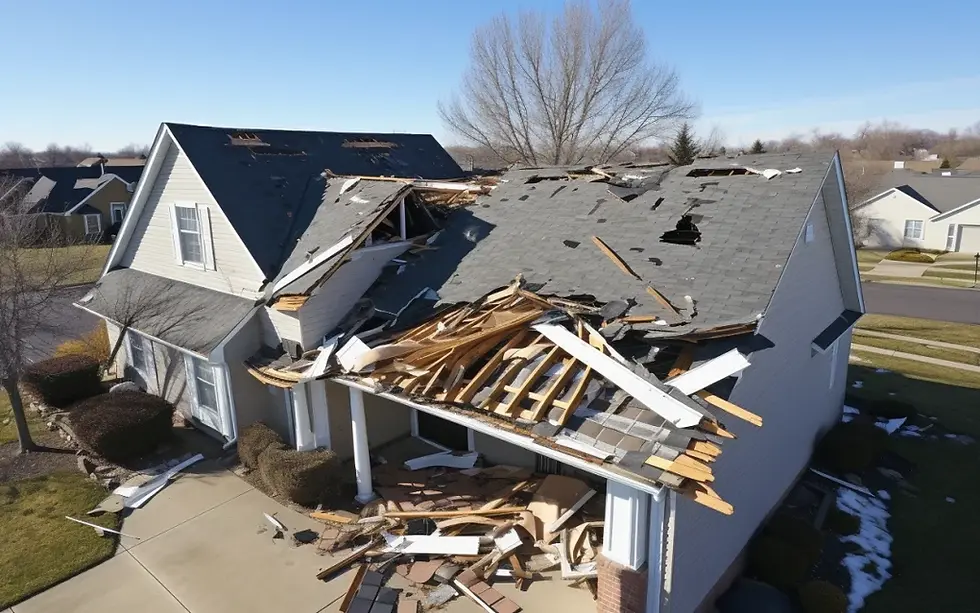
Severe weather is costing more. Connecticut may not face hurricanes as often as Florida or wildfires like California, but it still takes costly hits. Nor’easters, high winds, ice storms, inland flooding, tropical storm remnants, and downed trees all create claims.
Repair costs have changed. Materials, labor, roofing, plumbing, electrical work, and temporary housing can all cost more than they did a few years ago. When the average claim gets more expensive, insurers adjust pricing.
Older housing can raise loss costs. Many Connecticut homes are decades old. Older roofs, aging plumbing, outdated electrical systems, and historic materials can make claims more complex. A small leak in an older home can uncover larger repair issues.
Reinsurance affects local premiums. Insurance companies often buy their own insurance, called reinsurance, to help cover major losses. When reinsurance costs rise, homeowners can feel it through higher premiums.
Coastal exposure still matters. Even inland homeowners can see the effects of regional risk. Coastal wind, storm surge concerns, and the cost of rebuilding in high-value areas can influence broader market pricing.
That mix explains why Connecticut homeowners are watching premiums rise. But the bigger issue is what those increases mean after damage occurs.
A higher premium does not guarantee a smoother claim
It is easy to assume that paying more should lead to a better claim experience. In practice, premium increases do not change the terms of the policy.
The insurance company still reviews:
What caused the damage
Whether the loss is sudden and accidental
What exclusions apply
Whether maintenance issues contributed
The applicable deductible
The actual repair scope
The documentation available
That last point matters more than many homeowners realize. When claim costs rise, insurers often look closely at whether the damage was caused by a covered event or by wear, age, neglect, seepage, or long-term deterioration.
For example, a roof may leak during a windstorm. The homeowner may see interior ceiling stains and assume the storm caused everything. The insurer may inspect the roof and argue that the shingles were already worn, curled, or poorly maintained. The outcome can depend on photos, inspection reports, contractor findings, weather records, and the exact policy wording.
This is where higher rates can make the claim process feel worse. Homeowners are paying more, but adjusters may still question the loss closely. That can be frustrating, especially when the damage is real.
The key is to treat every claim like a file that must prove two things:
What happened
How much it reasonably costs to fix
Deductibles are becoming a bigger part of the decision
When premiums rise, many homeowners look for ways to bring the bill down. One common option is a higher deductible. That can reduce the premium, but it also changes the math when damage occurs.
A $1,000 deductible and a $5,000 deductible lead to very different filing decisions.
If a windstorm causes $3,200 in fence and minor roof damage, a homeowner with a $1,000 deductible may decide to file. A homeowner with a $5,000 deductible may not receive any payment even if the loss is covered.
Connecticut homeowners should also review whether their policy has special deductibles for wind, hurricane, or named storm damage. These deductibles may work differently than a standard flat deductible. Some are based on a percentage of the insured value of the home, which can mean a much larger out-of-pocket cost.
Before filing, check:
The standard deductible
Any wind or hurricane deductible
Whether the deductible is a flat dollar amount or percentage
Whether different deductibles apply to different structures
Whether the loss amount is likely to exceed the deductible
This does not mean avoiding valid claims. Insurance exists for covered losses. But it does mean small claims deserve a careful look before they are filed.

Filing small claims can have bigger consequences
A claim is more than a request for payment. It becomes part of the home’s insurance history.
A single small claim may not always lead to a major issue, but repeated claims can affect renewal options, underwriting review, and future pricing. In a tight insurance market, that matters.
This is especially important for losses that are close to the deductible. If the repair cost is only slightly above the deductible, the homeowner may receive a small payment after the claim is processed. That small payment can still show up as a filed claim.
Common low-dollar claim situations include:
Minor roof shingle damage
Small appliance leaks
Fence or shed damage
Limited gutter or siding damage
Spoiled food after a power outage
Small basement water events
The right choice depends on the loss, the policy, and the homeowner’s risk tolerance. A $2,500 repair may be worth filing for one household and not worth filing for another.
The better approach is to estimate the damage first when it is safe. Take photos, prevent further damage, and get a qualified repair opinion. If the damage is serious, active, or structural, contact the insurer quickly. If it appears minor and close to the deductible, review the numbers before opening a claim.
Documentation matters more when insurers scrutinize losses
In a high-rate environment, weak documentation can hurt a valid claim.
A homeowner may know a storm caused the damage, but the claim file needs proof. That proof starts immediately after the loss.
Helpful documentation includes:
Photos and videos before cleanup
Close-up and wide-angle images
Date and time of the event
Weather details from the day of loss
Contractor or mitigation reports
Receipts for emergency work
A list of damaged personal property
Prior maintenance records when relevant
For water losses, act fast. Most policies require homeowners to prevent further damage. That may mean shutting off the water, calling a plumber, removing standing water, or hiring mitigation help. Waiting too long can create disputes over mold, rot, or additional damage.
For wind and tree claims, photograph the scene before removal if it is safe. Take pictures of the tree, impact point, roof, siding, gutters, fencing, and interior damage. If emergency work is needed, keep every invoice.
For theft or vandalism, a police report may be required or strongly helpful. Document missing items with receipts, photos, manuals, appraisals, or bank records when available.
The strongest claim files are not dramatic. They are organized.
Replacement cost coverage can still involve out-of-pocket costs
Many homeowners see “replacement cost” on a policy and assume the insurance company will pay the full replacement amount upfront. That is often not how it works.
Many policies first pay actual cash value, which reflects depreciation. The remaining replacement cost benefits may be paid after repairs are completed and expenses are documented.
For example, if a covered roof repair costs $18,000, the insurer may initially pay a lower amount after depreciation and the deductible. The homeowner may need to sign a contract, complete the work, and submit final invoices before receiving recoverable depreciation.
This can surprise homeowners who are already dealing with higher premiums.
Watch for these terms:
Actual cash value
This usually means replacement cost minus depreciation.
Replacement cost value
This usually means the cost to replace damaged property with similar materials, subject to policy terms.
Recoverable depreciation
This is the amount the insurer may release after completed repairs are proven.
Ordinance or law coverage
This may help with increased costs caused by building code requirements, if the policy includes it.
Ordinance or law coverage can be especially relevant in Connecticut because many homes are older. If repairs trigger code upgrades, the additional cost may or may not be covered depending on the policy.

Connecticut homeowners should review coverage before there is damage
The worst time to understand a policy is after the ceiling is dripping.
With rates rising, some homeowners reduce coverage, raise deductibles, or decline endorsements to lower the premium. Those choices can make sense in some cases, but they should be made with eyes open.
Review these parts of the policy before the next storm:
Dwelling coverage limit
Other structures coverage
Personal property coverage
Loss of use coverage
Water backup coverage
Mold limitations
Wind or hurricane deductible
Roof settlement terms
Ordinance or law coverage
Special limits for jewelry, tools, collections, or electronics
Water backup deserves special attention. Standard homeowners insurance often treats water differently depending on the source. A burst pipe, sewer backup, groundwater seepage, and flood are not the same thing under most policies.
Flood damage is usually excluded from standard homeowners policies. Separate flood insurance may be needed, including for homes outside high-risk flood zones. Connecticut has many rivers, low-lying areas, coastal neighborhoods, and older drainage systems, so flood risk is not only a shoreline issue.
Also review the roof section. Some policies may change how older roofs are covered. A policy may insure the roof for replacement cost, actual cash value, or may include specific limitations. Homeowners should not assume the roof is covered the same way year after year.
When filing makes sense despite higher rates
Fear of rate increases should not stop a homeowner from filing a serious covered claim. Insurance is designed for losses that would create a major financial burden.
Filing often makes sense when:
The damage is clearly above the deductible
The home is unsafe or unlivable
Water is actively damaging the structure
Fire, smoke, or electrical damage occurred
A tree damaged the roof or walls
A liability claim may be involved
Hidden damage may be significant
Temporary housing may be needed
Liability claims deserve special care. If someone is injured on the property, or if damage affects a neighbor’s property, notify the insurer promptly. Waiting can create problems.
For major property losses, homeowners should keep communication clear and written when possible. After phone calls, send a short follow-up email summarizing what was discussed. Keep a claim log with dates, names, and next steps.
If there is disagreement over scope or pricing, ask the insurer to explain the decision in writing and point to the policy language. A contractor’s estimate may differ from the insurer’s estimate. That does not automatically mean bad faith or wrongdoing. It means the scope needs to be compared line by line.
What to do before you file a Connecticut home insurance claim
A careful claim starts before the first call. Use this simple process when damage occurs.
Make the home safe
Protect people first. Stay away from downed wires, unstable trees, sagging ceilings, active electrical hazards, and contaminated water. Call emergency services if needed.
Stop further damage
Shut off water, tarp openings if safe, board broken windows, or call emergency mitigation. Most policies require reasonable steps to prevent additional damage.
Document everything
Take photos and videos before cleanup. Capture wide shots and close-ups. Save damaged materials when practical, especially if the cause may be disputed.
Review the deductible
Check the regular deductible and any wind, hurricane, or named storm deductible. Estimate whether the loss is likely to exceed it.
Get a repair opinion
For non-emergency damage, a licensed or qualified contractor can help identify the likely cause and cost. Avoid signing broad agreements before understanding the claim process.
Notify the insurer when appropriate
If the loss is significant, time-sensitive, or clearly covered, report it promptly. Provide facts, not guesses. Say what you know, what you observed, and what steps you took.
Keep records until the claim closes
Save invoices, receipts, emails, claim letters, adjuster notes, and photos. Organized records reduce confusion later.

What to do if the claim does not match the damage
A claim estimate may come in lower than expected. Coverage may be limited. Some items may be denied. That does not always end the process.
Start by asking for a written explanation. Compare the insurer’s estimate with contractor estimates. Look for missing rooms, materials, labor items, code issues, or damage that was not visible during the first inspection.
If new damage is discovered during repairs, document it right away and notify the insurer before covering it up.
Connecticut homeowners can also contact the Connecticut Insurance Department for consumer information or to ask about complaint options. Public adjusters may also assist policyholders with claims, but homeowners should verify licensing, understand fees, and read agreements carefully before signing.
The main point is simple: do not rely on memory or emotion alone. A disputed claim needs documents, photos, estimates, and policy language.
The new reality for Connecticut homeowners
Connecticut’s steep rate hikes make home insurance feel more fragile. Homeowners are paying more, deductibles may be higher, and insurers may review claims closely. That creates pressure to avoid filing, even when damage is real.
The better response is not panic. It is preparation.
Know the deductible before the storm. Understand whether the roof is covered for replacement cost or actual cash value. Check water backup and flood gaps. Keep maintenance records. Photograph damage early. Get repair estimates when needed. File serious claims promptly, but think carefully before filing small losses that barely exceed the deductible.
Higher premiums make every decision more expensive. A clear process helps keep one bad day from turning into a long, costly claim dispute.
Alfred Smith CPCU Claims Services LLC



Comments