.jpg)



Connecticut Homeowners Roof Coverage Changes Explained
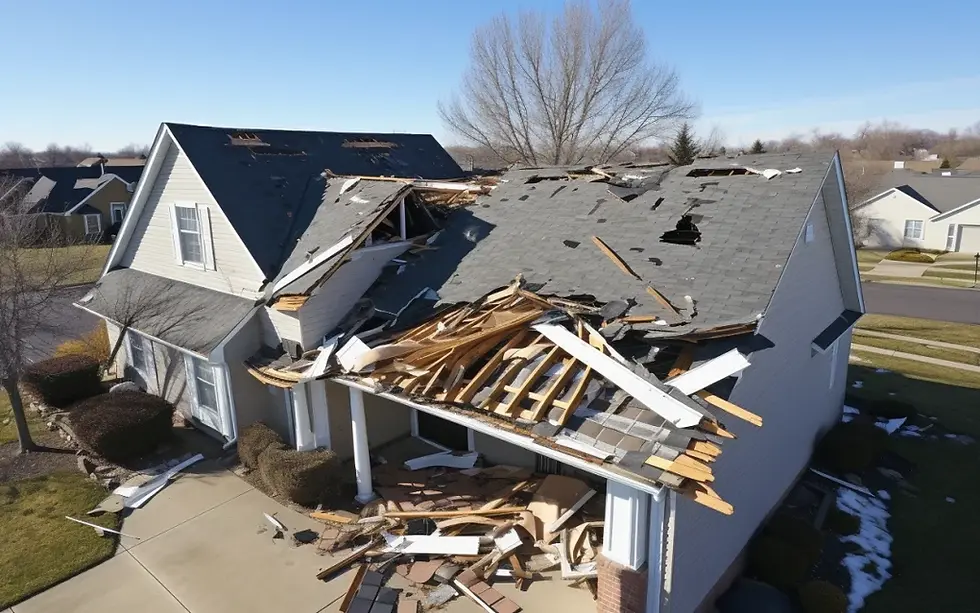
A damaged roof used to feel like a straightforward homeowners insurance claim. A storm hits, shingles lift, water gets in, a contractor confirms the damage, and the insurance company pays to repair or replace the roof, minus the deductible.
That assumption is becoming less safe for Connecticut homeowners.
Insurers are paying closer attention to roofs before they issue a policy, renew a policy, or pay a claim. Some policies now shift more roof cost back to the homeowner through actual cash value coverage, higher wind or storm deductibles, or stricter renewal standards. In 2026, the difference between what a homeowner expects and what a policy actually pays could be expensive.
This article is for general information only. It is not legal, financial, or insurance advice. For a specific claim or policy issue, speak with a qualified insurance professional, attorney, or licensed public adjuster.

Why insurers are focusing more closely on roofs
Roofs are one of the most expensive parts of a home to repair after a storm. They also age in ways that affect how insurance companies view risk.
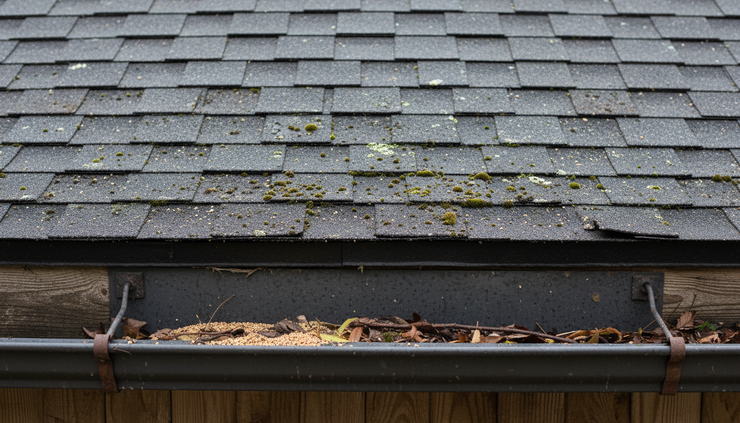
A roof that looks fine from the driveway may still have worn shingles, brittle flashing, poor ventilation, old repairs, or prior storm damage. From an insurer’s point of view, an older or poorly maintained roof is more likely to lead to a costly claim.
Connecticut regulators have noticed how much attention insurers are giving to roofs. In February, the Connecticut Insurance Department issued a consumer advisory explaining that insurance carriers may look at a roof’s condition and characteristics when deciding whether to issue, renew, or change a homeowners policy.
That advisory matters because it confirms what many homeowners are starting to experience:
A roof can affect whether coverage is offered.
A roof can affect the cost of coverage.
A roof can affect the terms of coverage.
A roof can affect renewal decisions.
A roof can affect how a claim is handled after damage occurs.
Insurers may consider factors such as roof age, visible wear, roofing material, prior claims, and whether the roof has been repaired or replaced. Some companies may inspect the property. Others may use photos, aerial imagery, third-party reports, or claim history.
That does not mean every older roof is uninsurable. It does mean homeowners should stop treating the roof as a minor detail buried somewhere in the policy. For many Connecticut homes, it is becoming one of the most important parts of the insurance file.
The big change is not always whether the roof is covered
When homeowners ask, “Is my roof covered?” they usually mean one thing: Will the insurance company pay for a new roof if a storm damages it?
The better question is more specific:
How much will the policy pay, and under what conditions?
A policy may still “cover” roof damage while paying far less than the cost to replace the roof. That can happen because of the way the policy values the loss, the deductible that applies, or exclusions and limitations written into the policy.
Three issues deserve close attention.
Roof valuation can change the claim payment
The biggest distinction is between replacement cost and actual cash value.
Replacement cost coverage usually pays what it costs to repair or replace damaged roofing with materials of like kind and quality, subject to the deductible and policy terms.
Actual cash value coverage pays the replacement cost minus depreciation. That depreciation reflects age, condition, useful life, and sometimes other factors. On an older roof, depreciation can reduce the payment sharply.
Deductibles may be higher than expected
Some policies include percentage-based deductibles for certain types of wind, hurricane, or storm losses. A percentage deductible is usually based on the insured value of the home, not the amount of roof damage.
For example, a 2% deductible on a home insured for $400,000 would be $8,000. That can surprise homeowners who expected a flat $1,000 or $2,500 deductible.
The policy declarations page often lists deductibles, but the details may appear in endorsements or separate policy forms. Homeowners should read both.
Roof-only limitations can narrow coverage
Some policies treat the roof differently from the rest of the home. A policy may offer replacement cost on most of the dwelling but actual cash value on the roof. Others may change roof coverage after the roof reaches a certain age.
That is why the declarations page alone may not tell the full story. The endorsements and roof-specific provisions matter.
Replacement cost and actual cash value work very differently
The phrase “covered roof damage” can hide a large financial gap.
Here is the practical difference.
Coverage type | What it generally means | What the homeowner should watch |
Replacement cost | Pays the cost to repair or replace damaged roofing with similar materials, minus the deductible, subject to policy terms | The insurer may still dispute scope, cause of damage, matching, code upgrades, or whether replacement is necessary |
Actual cash value | Pays replacement cost minus depreciation, minus the deductible | The depreciation amount can leave the homeowner paying thousands out of pocket |
Percentage deductible | Deductible is calculated as a percentage of the insured value of the home | The deductible may be much larger than a standard flat deductible |
Roof endorsement | A special policy form changes roof coverage | The roof may have different rules than the rest of the home |
Here is a simple example.
A Connecticut roof costs $22,000 to replace after covered storm damage. The policy has a $2,500 deductible.
Under replacement cost coverage, the claim payment may be based on the $22,000 replacement cost, less the deductible, assuming the loss is covered and the scope is accepted.
Under actual cash value coverage, the insurer subtracts depreciation first. If the roof is older and the depreciation is substantial, the payment may be much lower. The homeowner may still need a full replacement, but the insurance check may not come close to the contractor’s invoice.
That is the part many homeowners miss. Actual cash value does not mean the insurer pays what the roof replacement actually costs today. It means the insurer pays the depreciated value of the damaged roof, subject to the policy and deductible.
Connecticut has an important actual cash value protection
Connecticut homeowners do have a key protection when actual cash value applies.
Since 2011, Connecticut law has required actual cash value for covered property losses to be calculated as replacement cost minus depreciation. That matters because it prevents insurers from using vague or arbitrary methods that could push the value lower than that formula allows.
In plain English, the carrier cannot simply decide on a number because it seems fair to them. If actual cash value applies, the calculation starts with the replacement cost and then subtracts depreciation.
That protection is meaningful, but it does not end every dispute.
The fight often moves to the details:
What is the true replacement cost?
How old is the roof?
What condition was it in before the storm?
What useful life should be assigned to the roofing material?
Is depreciation being applied fairly?
Is the insurer depreciating labor, materials, or both?
Did the insurer include all necessary repairs in the estimate?
A small change in the depreciation calculation can make a large difference in the payment. A low repair estimate can also shrink the actual cash value payment, even before depreciation is applied.
This is one reason roof claims often become contested. The disagreement is not always about whether damage exists. It may be about how the policy measures the loss.

Fannie Mae and Freddie Mac make the shift more important
This issue is not limited to Connecticut.
Fannie Mae and Freddie Mac now allow homeowners policies to cover damaged roofs at actual cash value only. That change matters because many mortgage loans follow their standards. If lenders accept policies with actual cash value roof coverage, homeowners may see more of these policies in the market.
In the past, a homeowner might have assumed that a mortgage company would require stronger roof coverage. That assumption may no longer hold.
A policy can satisfy lender requirements and still leave the homeowner with a major out-of-pocket roof expense after a storm. Lender approval does not mean the coverage is ideal. It only means the policy meets the lender’s minimum requirements.
For homeowners, the lesson is direct: do not rely on the mortgage company to judge whether roof coverage protects your household budget.
Why insurers support these changes
Insurance companies and industry groups often frame actual cash value roof coverage and percentage deductibles as tools that help keep policies available and premiums under control.
Their argument is simple. Roof claims are expensive. If every older roof receives full replacement cost coverage after every covered storm event, insurers say premiums may rise for everyone, or coverage may become harder to obtain in some areas.
There is some logic to that position. Insurance pricing depends on risk, claim frequency, repair costs, and the cost of reinsurance. Roofs are a major part of property claim costs.
But the homeowner’s concern is just as real.
A lower premium does not help much if the policy leaves a large gap when the roof fails after a covered loss. Choice is only useful when the homeowner understands the trade-off before the claim.
The problem is not that actual cash value coverage exists. The problem is that many homeowners do not realize they have it until after damage occurs.
What to read in your policy before 2026
A homeowners insurance policy can be dense, but roof coverage usually leaves clues in a few key places. Start with the declarations page, then keep reading.
Look for these items.
The loss settlement provision
This section explains whether damaged property is paid at replacement cost or actual cash value. Read it carefully. Some policies apply replacement cost only after repairs are completed. Others apply actual cash value first, then release additional funds later if replacement cost coverage applies and repairs are made.
Roof-specific endorsements
Endorsements modify the standard policy. They can add, remove, or limit coverage. Look for words such as:
Roof surfacing
Windstorm or hail
Functional replacement cost
Actual cash value loss settlement
Cosmetic damage
Matching
Roof exclusion
Age of roof limitation
If an endorsement changes roof valuation, it may override more generous language elsewhere in the policy.
Deductibles for wind, hurricane, or named storm
Do not stop at the basic deductible. Check whether a separate percentage deductible applies. Also check when it applies. Some deductibles apply to hurricanes only. Others may apply to windstorm or named storm losses.
Renewal notices and policy changes
Insurance companies may change terms at renewal. A renewal packet can include endorsements that reduce roof coverage or change deductibles.
Do not assume the new policy matches the old one. Compare them. If roof coverage changes, ask questions before the renewal date.
Know your rights when a policy is not renewed
A roof issue can affect renewal. If an insurer decides not to renew a homeowners policy, Connecticut rules may require notice and an explanation. The details depend on the situation and policy type.
A nonrenewal is not the same as a cancellation. A cancellation ends coverage before the policy term expires. A nonrenewal means the insurer decides not to continue coverage after the current term ends.
If a carrier cites the roof as the reason for nonrenewal, ask for the basis in writing. If the issue is condition, age, missing repairs, or inspection results, request the supporting information. Homeowners may be able to repair the issue, provide documentation, or shop for other coverage.
Do not wait until the last week. Roof repairs, inspections, underwriting reviews, and new policy applications can take time.
Document your roof before there is a claim
The best time to document a roof is before the storm season, not after water enters the house.
Good documentation can help establish the roof’s condition and may reduce disputes about pre-existing damage. It can also help when applying for coverage or responding to underwriting questions.
Keep a simple roof file with:
Roof installation date, if known
Contractor invoices and warranties
Repair records
Inspection reports
Photos of all roof slopes
Photos of gutters, flashing, vents, skylights, and chimneys
Notes after major storms
Interior photos if water staining appears
Receipts for maintenance or tree trimming
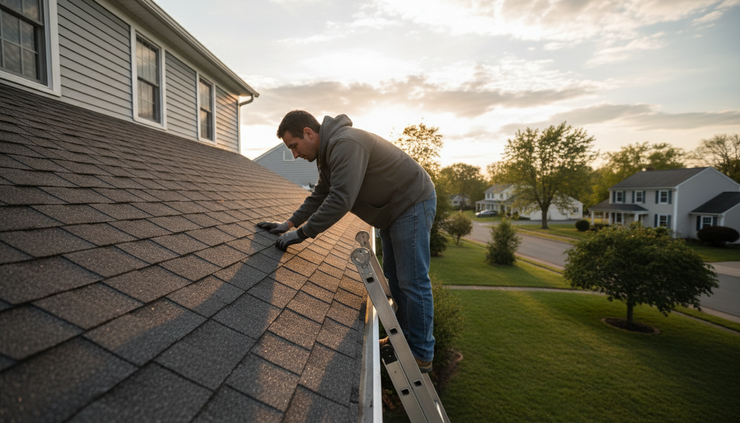
Use date-stamped photos when possible. Take wide photos that show the whole roof area and close photos that show specific conditions. If it is unsafe to access the roof, stay on the ground and hire a qualified roofing contractor or inspector.
Never climb on a wet, steep, icy, or damaged roof.
Do not accept a roof denial without checking the details
A roof claim denial can feel final. It may not be.
Insurers can deny claims for many reasons. They may say the damage is wear and tear, defective installation, improper maintenance, old damage, cosmetic damage, or not caused by a covered event. They may also accept some damage but pay only for a small repair.
Read the denial letter carefully. Then compare it with the policy, photos, contractor findings, weather history, and any inspection reports.
Pay close attention to whether the insurer:
Inspected every slope
Addressed interior water damage
Explained the cause of damage
Identified the policy exclusion being used
Applied depreciation correctly
Used accurate measurements
Included code-required work if covered
Considered matching issues where relevant
Distinguished old wear from sudden storm damage
If something does not make sense, ask for clarification in writing. Keep records of every call, email, estimate, and inspection.
A licensed public adjuster can review the damage, estimate the loss, document the claim, and communicate with the insurance company on the homeowner’s behalf. Public adjusters work for policyholders, not insurance companies. For denied, delayed, or underpaid roof claims, that can make a real difference.
What Connecticut homeowners should do now
Roof coverage is changing in ways that can affect the size of a claim payment. The time to find out is before the next storm, not after.
Start with these steps:
Read the declarations page
Check the dwelling limit, deductibles, and any special storm deductible.
Find the loss settlement section
Confirm whether roof damage is handled at replacement cost or actual cash value.
Review every endorsement
Look for roof-specific forms that change coverage.
Ask your agent direct questions
Ask whether your roof is covered at replacement cost, actual cash value, or subject to a special deductible.
Document the roof condition
Keep photos, invoices, inspection reports, and repair records.
Respond quickly to renewal changes
If the carrier changes terms or requests repairs, do not ignore the notice.
Challenge unclear denials
A denial or low estimate is not always the last word.
Connecticut homeowners are not powerless, but they do need to be more active. The word “covered” is no longer enough. The real question is whether the policy will pay enough to restore the roof when a covered loss happens.
Read the policy now, document the roof now, and ask hard questions before renewal. If a storm damages the roof and the insurance company denies or undervalues the claim, get qualified help before accepting the result.



Comments