.jpg)



Insurance to Value Under a Homeowners Policy: What It Takes, Who Handles It and Why It Matters

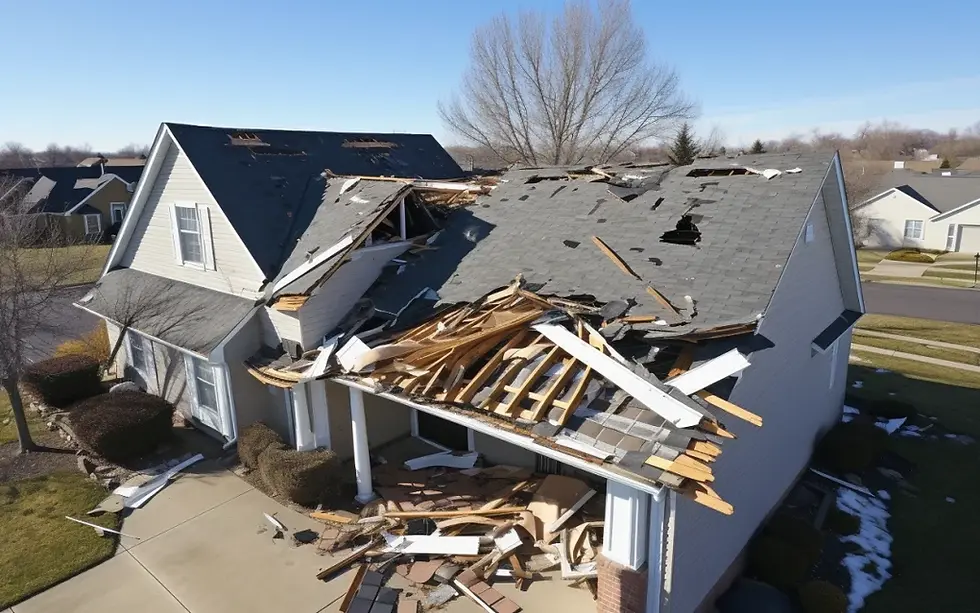
A homeowners policy can look solid on paper and still come up short after a major loss. The reason is often simple: the home was not insured for what it would actually cost to rebuild.
That gap is what insurance to value is meant to address. In a homeowners policy, insurance to value, often shortened to ITV, compares the amount of dwelling coverage on the policy to the estimated cost to rebuild the home with similar materials, labor, and features.
This is not the same as market value. A home might sell for $450,000, but cost $600,000 to rebuild. Or the reverse may be true in a slower real estate market. ITV focuses on replacement cost, not what a buyer would pay for the property.
This article is for general informational purposes only. Homeowners insurance terms, coverage rules, and claim outcomes vary by policy and insurer.

What insurance to value means under a homeowners policy
Insurance to value measures whether the dwelling limit is high enough in relation to the home’s estimated rebuild cost.
The dwelling limit is the Coverage A amount on a typical homeowners policy. It applies to the structure of the home, including items such as walls, roof, attached garage, built-in cabinets, flooring, plumbing, electrical systems, and other permanent parts of the dwelling.
If a home would cost $500,000 to rebuild and the policy carries $500,000 in dwelling coverage, the home is insured to 100% of estimated replacement cost. If the policy carries $400,000, it is insured to 80% of estimated replacement cost.
That percentage matters because many replacement cost policies include conditions tied to being insured to a certain level, often a stated percentage of replacement cost. The exact rule depends on the policy.
ITV is not just a number for the insurance company. It affects how well the policy can respond when a kitchen fire, tornado, hailstorm, or total loss happens.
What is needed to be insured to value
A good ITV estimate starts with accurate property information. Small errors can lead to a large coverage gap.
The most important details usually include:
Total finished square footage
Number of stories
Foundation type
Roof shape and roofing material
Exterior wall material
Year built and major updates
Number of bathrooms
Garage type and size
Basement details
Interior finishes and built-ins
Porches, decks, fireplaces, and custom features
Local construction costs
A 2,400-square-foot home with standard builder-grade finishes will not cost the same to rebuild as a 2,400-square-foot home with custom cabinetry, stone flooring, designer fixtures, and high-end windows.
Updates also matter. If the policy still reflects the home as it was before a renovation, the dwelling limit may be outdated. A finished basement, room addition, remodeled kitchen, upgraded roof, or expanded deck can all change the replacement cost.
The estimate should also reflect current building codes where possible. After a covered loss, rebuilding may require newer electrical, plumbing, roofing, energy, or safety standards. Some policies include ordinance or law coverage for these added costs, but the amount and terms vary.

Who handles the ITV process
Several people may play a role in determining and maintaining insurance to value.
The insurance agent or broker
The agent or broker usually gathers the property details when the policy is quoted. They may ask about square footage, construction type, roof material, updates, and special features. They often enter this information into an insurer-approved replacement cost estimator.
A good agent should also review the dwelling limit at renewal, especially if the home has been renovated or local building costs have changed.
The insurance carrier
The insurance company provides the underwriting rules and valuation tools. It may use public records, inspection data, aerial images, prior applications, or replacement cost software to estimate the proper dwelling limit.
The carrier may also apply inflation adjustments at renewal. These automatic increases can help, but they do not replace a real review. Inflation guards may not fully account for a major remodel, custom construction, or sharp changes in labor and material costs.
The homeowner
The homeowner has one of the most important jobs: providing complete and current information.
The insurance company usually cannot know that a basement was finished, a kitchen was rebuilt, a detached structure was added, or the home now has higher-grade materials unless someone reports it. Policyholders should review their declarations page and speak up when the Coverage A limit looks too low or when the home has changed.
Inspectors and appraisers
Some insurers order exterior inspections, interior inspections, or replacement cost reviews. These are not always the same as a real estate appraisal. A real estate appraisal focuses on market value. An insurance valuation focuses on rebuild cost.
For unique, historic, luxury, or custom homes, a more detailed appraisal or contractor-based estimate may be useful.
Why ITV matters when a loss occurs
The clearest reason ITV matters is claim payment. If the dwelling limit is too low, the policy may not provide enough money to rebuild after a major loss.
A partial loss can also reveal the problem. Replacing a roof, repairing fire damage, or rebuilding part of a home may cost more than expected because labor, debris removal, materials, and code work add up quickly.
Being underinsured can create several issues:
The homeowner may have to pay more out of pocket.
Replacement cost benefits may be limited by policy terms.
A total loss may force changes to the rebuild plan.
Delays may occur while coverage questions are reviewed.
Additional living expenses may run shorter than expected if rebuilding takes longer.
The right dwelling limit does not prevent a loss, but it can make the recovery far less painful.
ITV also matters because insurance is built on estimates made before a loss. Once the house has burned or been badly damaged, it is harder to correct old square footage, missing updates, or inaccurate construction details.

ITV is different from market value and mortgage value
One common mistake is assuming the mortgage amount sets the right insurance limit. It does not.
A lender cares about protecting its financial interest in the loan. The insurer cares about the cost to repair or rebuild the home. The real estate market cares about location, land, school districts, demand, and comparable sales.
Those values can be far apart.
For example, land value is part of a home’s sale price, but land usually does not need to be rebuilt after a fire. On the other hand, a home in an area with high labor costs may be expensive to rebuild even if its market value is modest.
A strong ITV review separates these concepts and asks a practical question: What would it cost to rebuild this structure today?
How to keep a homeowners policy aligned with ITV
Insurance to value is not a one-time task. It should be reviewed over the life of the policy.
Good times to revisit the dwelling limit include:
After remodeling a kitchen or bathroom
After finishing a basement or attic
After adding square footage
After replacing major systems
After adding custom features
After buying an older or historic home
When construction costs rise in the area
At each annual renewal
Homeowners should compare the declarations page with the actual home. If the policy says the home has one bathroom but it has three, or lists vinyl siding when the house has brick and stone, the estimate may need correction.
It also helps to keep records. Photos, renovation receipts, contractor invoices, floor plans, and permits can support a better valuation review.

The practical takeaway
Insurance to value under a homeowners policy is about matching the dwelling limit to the real cost of rebuilding the home. It takes accurate property details, current replacement cost estimates, honest updates from the homeowner, and regular review by the agent and insurer.
The best next step is simple: review the Coverage A limit on the declarations page, then compare it with the home as it exists today. If the home has changed, or if the limit has not been reviewed in years, ask for an updated replacement cost estimate.
A policy should not just satisfy a lender or look affordable at renewal. It should be built to help the homeowner recover when the house needs to be rebuilt.



Comments