.jpg)
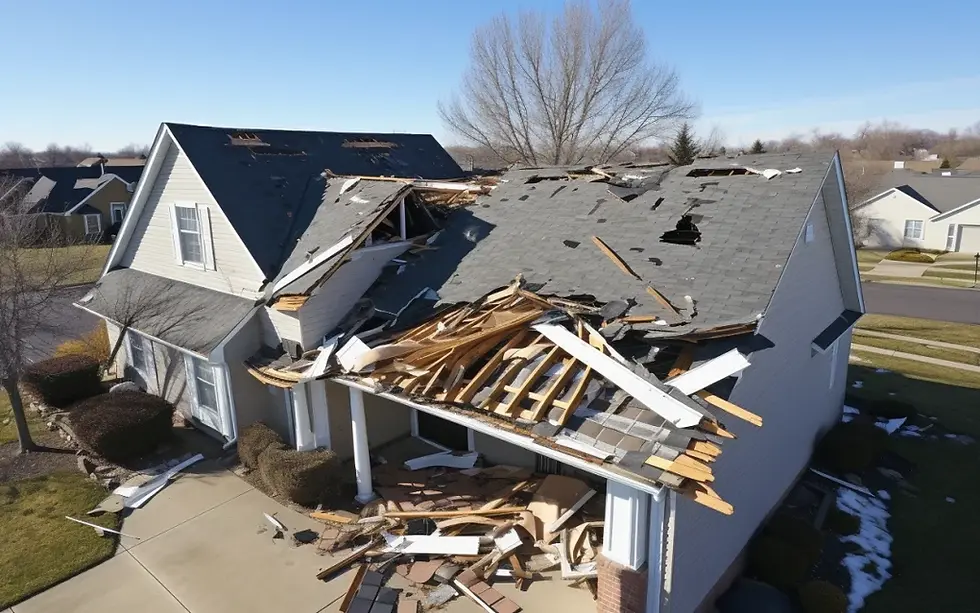



Massachusetts Home Insurance Costs Are Soaring Are You Covered
If your homeowners insurance renewal made you stop and read it twice, you are not alone. Many Massachusetts homeowners are seeing sharp premium increases, and for some families, the jump is big enough to affect the household budget.
A recent national study from Insurance.com ranked Massachusetts first in the country for the fastest-rising home insurance premiums, with average rates up nearly 43% from 2025 to 2026. That is not a minor adjustment. It is a signal that the cost of protecting a home has changed, and homeowners need to pay closer attention to what they are buying.
Higher premiums are frustrating. They also raise a practical question: if you are paying more for coverage, are you actually protected when something goes wrong?

Why Massachusetts premiums are rising so quickly
Home insurance rates do not rise for one reason alone. Several pressures are hitting the market at the same time, and Massachusetts homeowners are feeling the combined effect.
The biggest factors include:
Higher rebuilding costs Lumber, roofing materials, electrical work, plumbing, and skilled labor cost more than they did a few years ago. If a covered loss damages your home, the insurer must estimate what it would cost to repair or rebuild in today’s market, not last decade’s market.
More frequent severe weather Massachusetts homeowners face wind, heavy rain, ice, falling trees, nor’easters, and coastal storm exposure. Even homes far from the shoreline can suffer major water or wind damage during strong storms.
Insurer losses and rate adjustments When insurers pay more in claims across a region, they often adjust premiums, deductibles, or underwriting rules. Some carriers also reduce appetite for certain homes, roof ages, or locations.
Inflation across the claims process A claim involves more than materials. Temporary housing, debris removal, code upgrades, mitigation work, engineering reports, and specialty contractors can all cost more.
This is why a policy that looked adequate five years ago may no longer match the real cost of a major loss. The bill went up, but the coverage may not have kept pace.
A higher premium does not always mean better coverage
It is easy to assume that a more expensive policy gives you stronger protection. That is not always true.
A renewal premium can rise even if your coverage stays the same. In some cases, the policy may cost more while carrying a larger deductible, new exclusions, or tighter limits on certain types of damage.
That is the part homeowners should not ignore.
A good renewal review asks more than “How much did my premium increase?” It asks:
What is my dwelling coverage limit?
Did my deductible change?
Do I have a separate wind or named storm deductible?
Are there new exclusions or endorsements?
Does my policy cover water backup?
Do I have flood insurance if I need it?
Would this policy actually rebuild my home at current construction costs?
Massachusetts Home Insurance Costs Are Soaring Are You Covered is not just a headline. It is the core question every homeowner should ask before renewing.
If premiums are rising, the policy deserves more scrutiny, not less.
Start with your dwelling coverage limit
Your dwelling coverage, often shown as Coverage A, is the part of the policy that applies to the structure of your home. It is one of the most important numbers on the declarations page.
This limit should reflect what it would cost to rebuild your home after a covered loss. That is different from market value.
Market value includes things like location, land, school district, demand, and neighborhood trends. Rebuilding cost focuses on labor, materials, demolition, building code requirements, and construction conditions.
A home may sell for $650,000 and cost less than that to rebuild. Another home may sell for $450,000 and cost more than that to rebuild because of age, craftsmanship, materials, access issues, or code upgrades.
Underinsurance becomes painful after a major claim. If your limit is too low, you may discover the problem only after a fire, storm, or large water loss.
Ask your agent or carrier how your dwelling limit was calculated. If the estimate is old, vague, or based on outdated assumptions, request a fresh replacement cost review.

Pay close attention to deductibles
A deductible is the part of a covered claim you pay before insurance responds. Many homeowners remember the main deductible, such as $1,000 or $2,500, but miss the separate deductibles that apply to certain events.
Some policies now include higher deductibles for wind, hurricanes, or named storms. These may be calculated as a percentage of the dwelling limit instead of a flat dollar amount.
That can make a major difference.
Deductible type | How it works | Why it matters |
Flat deductible | You pay a set amount, such as $1,000 or $2,500 | Easier to understand and plan for |
Percentage deductible | You pay a percentage of the dwelling limit | The out-of-pocket cost can be much higher |
Wind deductible | Applies to wind-related damage | May affect claims from storms or falling trees |
Named storm deductible | Applies when a storm has been officially named | Can change your cost after major weather events |
For example, a 2% wind deductible on a home insured for $600,000 could leave the homeowner responsible for $12,000 before coverage begins. That is very different from a $1,000 deductible.
Do not wait until a storm damages your home to learn which deductible applies. Read the declarations page, then ask direct questions until you understand the answer.
Check for the coverage gaps storms often expose
Home insurance is valuable, but it does not cover everything. Some of the most expensive surprises come from losses homeowners assumed were covered.
Flood is usually not included
Standard homeowners policies generally do not cover flood damage. Flood insurance is separate. This matters even outside high-risk flood zones, because heavy rain, overwhelmed drainage, coastal surge, and rapid runoff can cause serious water damage.
A finished basement, low-lying yard, nearby stream, or older drainage system can increase the risk. If water enters from outside at ground level, your homeowners policy may not respond the way you expect.
Water backup often needs an endorsement
Water backup coverage usually applies when water backs up through a sewer, drain, or sump system. Many policies include this only if you add an endorsement. Even then, the coverage may have a specific limit.
A water backup loss can damage flooring, drywall, personal property, utilities, and finished basement space. If your basement is used as living space, storage, or a playroom, this endorsement deserves attention.
Ordinance or law coverage can matter after a loss
Older Massachusetts homes may need code-related upgrades during repairs. Ordinance or law coverage helps pay for certain added costs required by current building codes after a covered loss.
Without enough of this coverage, a homeowner may face extra costs that are connected to the repair but not fully covered under the base policy.
Personal property limits may be lower than expected
Most homeowners policies cover personal property, but certain categories have sublimits. Jewelry, collectibles, firearms, fine art, musical instruments, tools, and business property may need special scheduling or added coverage.
If you own items that would be expensive to replace, do not assume the standard limit is enough.

Ask about discounts without reducing protection blindly
When premiums rise, homeowners naturally look for ways to lower the bill. That makes sense, but cost cutting should not leave the home exposed.
Ask your agent or carrier about discounts for:
Roof upgrades or roof replacement
Monitored fire alarms
Monitored burglar alarms
Water leak detection systems
Automatic water shutoff devices
Backup generators
Bundling home and auto insurance
Claims-free history
Higher deductibles, if you can afford the risk
Some improvements may reduce both risk and premium. A water leak sensor, for example, may help catch a plumbing problem before it becomes a major claim. A newer roof may make a home more attractive to insurers and reduce the chance of wind or water damage.
Be careful with higher deductibles. A larger deductible can lower the premium, but it also shifts more risk to you. That tradeoff only works if you have enough savings to absorb the cost after a loss.
Keep records before you need them
A home inventory is one of the simplest ways to make a future claim easier. It is also one of the tasks many people put off until it is too late.
You do not need a complicated system. A useful inventory can start with your phone.
Walk through each room and record video. Open closets, cabinets, drawers, and storage areas. Capture furniture, appliances, electronics, tools, sports equipment, clothing, art, and valuables. Save receipts for major purchases when possible.
Store copies somewhere safe, such as cloud storage or an external drive kept away from the home.
After a loss, memories fade under stress. Photos and videos help prove what was there, what condition it was in, and what it may cost to replace.
Good records can also help with the building portion of a claim. Keep documents related to renovations, roof replacement, electrical upgrades, plumbing work, additions, and permits. These details can affect the scope and value of a claim.
When you file a claim, know who works for whom
After property damage, the insurance company may send an adjuster to inspect the loss. That adjuster may be professional, experienced, and courteous. Still, the insurance company’s adjuster works for the insurance company.
A licensed public adjuster works for the policyholder.
That difference matters when a claim involves hidden damage, disputed scope, code issues, water migration, smoke damage, roof damage, or a large rebuild. The full cost of repair may not be obvious during the first inspection.
A public adjuster can help by:
Reviewing the policy and identifying available coverage
Documenting the full scope of damage
Preparing detailed repair or replacement estimates
Communicating with the insurance company
Challenging incomplete or low estimates
Helping organize records for damaged personal property
Negotiating toward a settlement that reflects the covered loss
This does not mean every small claim needs outside help. A minor repair with clear damage and a fair estimate may be straightforward. Larger claims, complex losses, or claims where the numbers do not match the real repair cost deserve a closer look.
This article is for general informational purposes only and does not replace advice from a licensed insurance professional, attorney, or qualified claims expert.

What to do before your next renewal
Do not wait until the renewal deadline is days away. Give yourself enough time to compare options, ask questions, and correct gaps.
A practical renewal review can look like this:
Read the declarations page first
This page summarizes limits, deductibles, endorsements, and premium. It will not explain everything, but it shows the numbers that matter most.
Confirm the dwelling limit
Ask whether the limit reflects current local rebuilding costs. If you renovated recently, make sure the policy reflects the changes.
Review deductibles line by line
Look for separate wind, hurricane, or named storm deductibles. Ask how each one would apply after a real claim.
Look for missing endorsements
Pay special attention to water backup, ordinance or law, service line, equipment breakdown, and scheduled personal property.
Ask what is excluded
Exclusions are as important as coverage grants. Make sure you understand flood, groundwater, wear and tear, neglect, mold, and maintenance-related limitations.
Update your home inventory
A quick video walkthrough once or twice a year can save hours of stress later.
Compare carefully, not just cheaply
A lower premium may come with less coverage, a higher deductible, or weaker endorsements. Make sure you compare policy to policy, not just price to price.
The real question is value, not just cost
Massachusetts homeowners are paying more for insurance, and many have little choice but to absorb at least part of the increase. That makes the value of the policy more important than ever.
A good policy should do more than satisfy a mortgage requirement. It should give you a realistic path to recover after a covered loss. That means enough dwelling coverage, clear deductibles, the right endorsements, current records, and a plan for handling a claim if damage occurs.
The renewal notice may tell you what the policy costs. It will not always tell you whether the policy is enough.
Before you renew, slow down and read the details. Ask questions. Update your records. Check for gaps. And if damage happens, remember that paying for coverage is only the first step. Getting the full value of what you paid for is where the policy truly matters.



Comments