
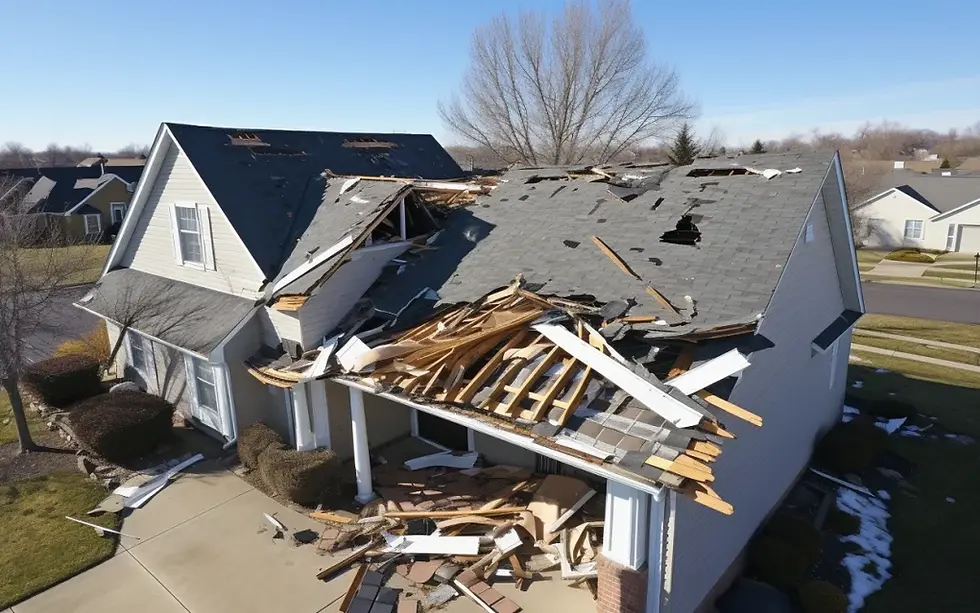


Massachusetts Law Protects Your Right to Hire a Public Adjuster
By Alfred Smith, CPCU | Alfred Smith CPCU Claims Services LLC
Massachusetts homeowners and business owners now have a clear new protection after a property loss. If a fire, burst pipe, storm, or other covered event damages your property, your insurance company cannot use policy language to stop you from hiring a public insurance adjuster.
That matters because a serious claim is rarely simple. The insurance company has claim handlers, estimators, engineers, consultants, and attorneys available to protect its interests. Policyholders deserve the right to bring in their own licensed professional too.
Chapter 187 of the Acts of 2026, formerly Senate Bill No. 785, changed Massachusetts insurance law in a direct way. Governor Maura Healey signed it on August 7, 2026, and it took effect on November 5, 2026. The law is titled “An Act Relative to Insurance Claims.”
Here is what changed, why it was needed, and what property owners should do when facing a claim.

What the new Massachusetts law does
The core rule is simple: an insurer cannot put language in a property and casualty insurance policy that bars a policyholder from working with a public insurance adjuster as a condition of payment.
That rule applies to insurers generally, including non-admitted and surplus lines insurers. It covers language placed in a policy, form, or endorsement.
If a policy contains a clause that says the insured cannot hire or use a public adjuster, the law makes that language unenforceable. The improper clause is treated as removed from the policy, while the rest of the policy remains in effect.
In plain language, the insurer cannot say:
You may not hire a public adjuster.
Your claim will not be paid if you use a public adjuster.
You must handle the claim without public adjuster assistance.
A public adjuster’s involvement violates the policy.
The law also adds enforcement weight. It amends Chapter 176D, Massachusetts’ unfair claim settlement practices law, by making it a listed unfair practice for a carrier to try to enforce one of these anti-public-adjuster clauses.
That is a major difference. The rule does not merely say the clause is void. It also says an insurer that tries to rely on that clause may be engaging in an unfair claims practice.
This is why the new rule is more than a technical change. It protects a policyholder’s ability to get professional claim help when the stakes are high.
Why this protection was needed
Some carriers, especially in the surplus lines market, had started using endorsements that told policyholders they could not hire a public adjuster at all.
That kind of clause creates an obvious imbalance.
The insurance company can assign its own adjusters. It can hire building consultants. It can involve engineers, accountants, attorneys, and specialty estimators. Then, through policy language, it could try to prevent the insured from hiring a licensed public adjuster to review damages, prepare estimates, document the claim, and negotiate.
For a homeowner after a fire or a business owner after a large water loss, that is not a fair starting point.
Counsel for the Massachusetts Association of Public Adjusters testified at the State House in 2024 that insurers were using anti-public-adjuster endorsements. The issue also appeared in litigation. One reported federal case in Boston involved a Rhode Island country club fire and a policy endorsement that barred the insured from using a public adjuster.
Whether the property is a single-family home, a condominium building, a restaurant, a warehouse, or a country club, the same basic principle applies. A policyholder should not lose the right to professional claim assistance because the insurer inserted restrictive language into the policy.
The new Massachusetts law answers that problem directly.
A carrier may investigate and adjust the claim, but it cannot write the policy in a way that blocks the insured from hiring a public adjuster.
What a public adjuster does after a property loss
A public insurance adjuster works for the policyholder, not the insurance company. In Massachusetts, public adjusters must be licensed. Their role is to help the insured prepare, present, and resolve the claim.
A public adjuster may assist with tasks such as:
Inspecting damaged property
Reviewing the insurance policy
Identifying covered damage
Preparing repair or replacement estimates
Documenting personal property or business property losses
Communicating with the insurer’s adjuster
Reviewing insurer estimates and payment positions
Helping organize the claim file
Negotiating the claim amount
A public adjuster does not replace the insurance company’s duty to investigate. The insurer still has to handle the claim fairly and make coverage decisions under the policy. The public adjuster’s job is to make sure the policyholder’s side is properly documented and presented.
This can be especially helpful in claims involving:
Fire and smoke damage
Frozen or burst pipes
Wind or storm damage
Roof leaks tied to covered events
Large water losses
Business interruption
Commercial equipment or inventory losses
Disputes over repair scope
Disputes over replacement cost and depreciation
Many claim problems start with missing information. A room gets overlooked. A damaged system is treated as repairable when it may need replacement. Smoke odor appears after the first inspection. Code upgrades are missed. Water damage spreads behind walls or under floors.
A public adjuster can help identify those issues before the claim gets too far off track.
What this means for Massachusetts homeowners
For homeowners, this law is especially timely as winter approaches. Cold weather in Massachusetts brings familiar risks: ice dams, frozen pipes, roof leaks, wind damage, and heating-related fires.
After a loss, the first priorities are safety, emergency mitigation, and prompt notice to the insurer. Once the claim begins, the paperwork and estimates can become overwhelming.
The new law means a homeowners policy cannot validly stop you from hiring a public adjuster to help with that process.
That does not mean every claim requires one. A small, straightforward claim may resolve without outside help. But when the damage is significant, the repair scope is unclear, or the insurer’s estimate seems too low, professional help can make a real difference.
Watch for warning signs such as:
The insurer’s estimate does not include all damaged rooms.
The repair scope ignores hidden damage.
The carrier applies exclusions that do not seem to fit the facts.
Payment is delayed without a clear reason.
The insurer discourages you from getting help.
You receive policy language suggesting a public adjuster cannot be involved.
Under the new law, an insurer should not be able to rely on an anti-public-adjuster clause to limit your options.

What this means for business owners
Commercial property claims often involve more moving parts than residential claims. A damaged building may affect operations, inventory, equipment, tenants, employees, customers, and income.
For a business owner, the claim may include separate categories such as:
Building damage
Business personal property
Equipment and machinery
Stock and inventory
Extra expense
Business interruption
Ordinance or law issues
Tenant improvements
Debris removal
Temporary repairs
When a commercial loss gets large, the insurer may bring in multiple specialists. That is normal. The policyholder should be able to do the same.
This is where the new law matters. If a surplus lines policy or commercial property endorsement says the insured cannot hire a public adjuster, that provision should not control the claim in Massachusetts.
Business owners should be especially careful about early estimates. A low initial scope can affect the entire claim. If the first inspection misses electrical systems, refrigeration equipment, smoke contamination, structural repairs, or code requirements, the gap can grow quickly.
A public adjuster can help build a complete claim record from the start.
What to do if your policy says you cannot hire a public adjuster
Some policies may still contain older language or endorsements that appear to restrict public adjuster involvement. Others may be renewed with confusing forms attached.
If you see that kind of language, do not assume it is enforceable.
Take these steps:
Keep a full copy of the policy
Save the declarations page, coverage forms, endorsements, exclusions, and any renewal documents.
Document the claim in writing
Keep emails, letters, claim notes, photos, videos, estimates, invoices, and mitigation records.
Ask the insurer to identify the policy language
If the company says you cannot use a public adjuster, request the specific provision it relies on.
Refer to the new Massachusetts law
Chapter 187 of the Acts of 2026 makes anti-public-adjuster policy language unenforceable and links attempted enforcement to Chapter 176D unfair claim settlement practices.
Speak with a licensed public adjuster
A public adjuster can review the damage, the estimate, and the insurer’s position.
Get legal advice when needed
If the carrier continues to enforce a questionable clause or delays the claim, speak with an attorney who handles insurance coverage or claim disputes.
This article is for general informational purposes only. It is not legal advice, and every claim depends on the policy language, facts, and applicable law.
What policyholders should remember during a claim
Insurance claims move best when the documentation is clear and the communication stays organized.
After a loss, take photos before cleanup if it is safe to do so. Protect the property from further damage. Save damaged items until the insurer has had a chance to inspect them, unless safety or health concerns require disposal. Keep receipts for emergency repairs, temporary lodging, board-up work, drying equipment, and other immediate expenses.
When the insurer sends an estimate, read it carefully. Do not focus only on the payment amount. Look at what the estimate includes and what it leaves out.
Ask practical questions:
Does the estimate include all damaged areas?
Does it match what contractors are seeing?
Are materials priced correctly?
Does the scope include demolition, cleaning, permits, and code items where applicable?
Has the insurer addressed hidden damage?
Are contents, equipment, or inventory handled separately?
Are depreciation and deductibles explained?
A claim is not just a number. It is a written record of what happened, what the policy covers, and what it will take to repair or replace the damaged property.
The new law protects your right to bring in help with that process.
The bottom line
Massachusetts Law Protects Your Right to Hire a Public Adjuster by making anti-public-adjuster clauses unenforceable in property and casualty insurance policies. It also treats an insurer’s attempt to enforce that kind of clause as an unfair claim settlement practice under Chapter 176D.
That is a meaningful protection for homeowners and business owners. It keeps insurers from using policy wording to isolate policyholders during a difficult claim.
If you have a property loss, read your policy, document the damage, and pay attention to how the insurer handles the claim. If the damage is serious, the estimate seems incomplete, or the carrier suggests you cannot hire help, remember the rule is now clear in Massachusetts.
Your insurance company may adjust the claim, but it cannot stop you from hiring a licensed public adjuster to stand on your side of the process.

Alfred Smith CPCU Claims Services LLC
150 Quequechan Road
Taunton, MA 02780
617 697 2646


Comments