.jpg)
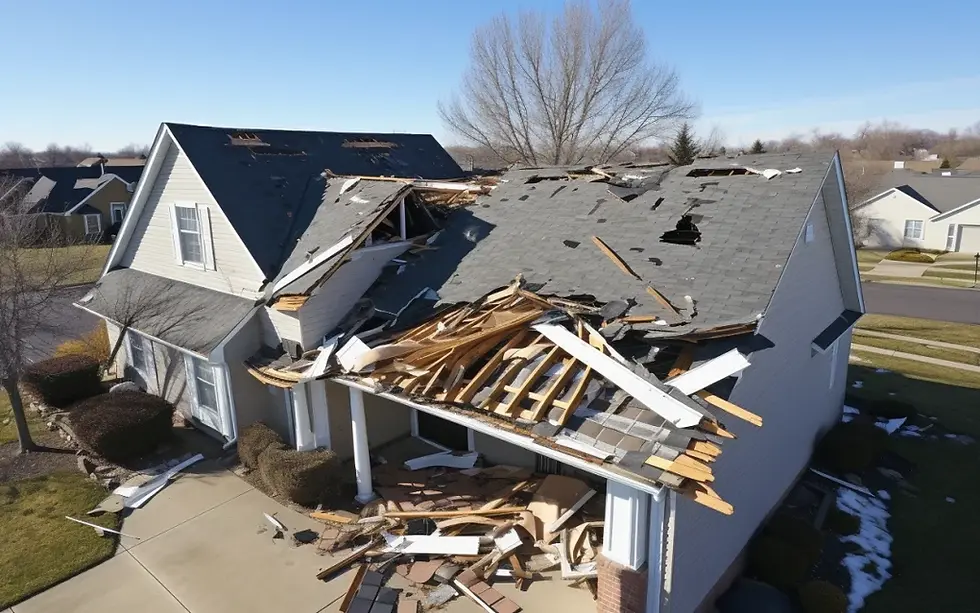



Rhode Island Insurance Market Shrinks What Non Renewals Mean for Your Claim
A non-renewal notice is more than a paperwork problem. In Rhode Island, it can be a warning sign that the insurance market around a home, condo, rental property, or business is getting tighter.
Carriers have been canceling policies, limiting new business, raising underwriting standards, and in some cases leaving certain markets altogether. State lawmakers have responded with active legislation, including the Rhode Island Insurance Market Protection Act, aimed at addressing the pressure from carrier withdrawals and policy cancellations.
That debate matters for anyone who has a claim. When insurance companies feel squeezed by rising losses, reinsurance costs, storm risk, inflation, and regulatory pressure, claims often face closer review. More inspections. More document requests. More disputes over scope, pricing, exclusions, and whether damage is covered at all.
That is exactly when a public adjuster’s pushback can matter most.

This post is informational only. Insurance coverage and claim rights depend on the policy, facts, and applicable Rhode Island law.
Why Rhode Island’s insurance market is under pressure
Rhode Island is small, coastal, and exposed to weather patterns that many insurers now price more aggressively. A hurricane does not need to make a direct hit to cause serious wind, water, and flood-related losses. Nor’easters, heavy rain, freezing temperatures, and coastal flooding can all create expensive property claims.
At the same time, repair costs have stayed high. Labor, materials, code upgrades, temporary housing, and mitigation work can make even ordinary claims more costly than expected. Insurers also buy their own insurance, called reinsurance, and that market has become more expensive in many areas of the country.
For carriers, the math can get uncomfortable. If they believe the premiums collected in a state do not match the risk, they may respond in several ways:
Stop writing new policies in certain areas
Tighten underwriting rules
Raise deductibles
Reduce available coverage options
Non-renew policies after the term ends
Withdraw from a market or line of business
For policyholders, the result feels sudden. A property owner may pay premiums for years, file few or no claims, and still receive a notice saying the policy will not be renewed.
The proposed Rhode Island Insurance Market Protection Act reflects a growing concern: if too many carriers pull back at once, property owners can be left with fewer choices, higher costs, and more uncertainty.
What a non-renewal actually means
A non-renewal is not the same as a midterm cancellation.
A cancellation usually ends a policy before the term expires. A non-renewal means the carrier will not offer another term after the current policy ends. The specific notice rules and allowed reasons can vary based on policy type and state law, so the wording of the notice matters.
A non-renewal may happen because of:
Property condition concerns
Roof age or exterior maintenance issues
Prior claims history
Change in underwriting guidelines
Location-based storm or coastal risk
Carrier withdrawal from a segment of the market
Internal risk reduction by the insurer
If a carrier exits Rhode Island or pulls back from a class of policies, the reason may have little to do with one individual property. Still, the practical effect is the same. The owner must find replacement coverage, often under pressure.
That stress becomes worse if there is an open claim.
Why non-renewals and claims can collide
A claim filed near the end of a policy term can create anxiety. The property owner may wonder whether the insurer will still handle the loss fairly if the policy is ending. The answer should be yes. If the covered damage happened during the policy period, the carrier still has a duty to investigate and make a coverage decision based on the policy.
But the process may not feel simple.
When insurers tighten their books, claims departments may become more conservative. Adjusters may ask for more proof. Estimates may come in lower than expected. The carrier may separate covered damage from “wear and tear” or “pre-existing condition” more aggressively.
Common friction points include:
Whether wind opened the roof or rain entered through old deterioration
Whether water damage came from a covered source
Whether mold, rot, or long-term seepage limits recovery
Whether damaged materials can be matched
Whether code upgrades are covered
Whether a repair estimate reflects real local pricing
Whether temporary housing or business interruption applies
None of this means every denial is improper. Insurers have the right to investigate. But policyholders also have the right to challenge weak findings, incomplete inspections, and underpriced estimates.

A shrinking market can change the tone of a claim
Insurance companies do not usually announce, “We are scrutinizing claims harder because the market is tight.” The change shows up in the details.
An estimate that once might have included full roof replacement may come back as a small patch. A water loss may be narrowed to one room. A carrier may question whether shingles were brittle before the storm. A kitchen claim may leave out matching cabinets, flooring transitions, or hidden moisture work.
A financially pressured carrier may rely heavily on policy limitations and exclusions. That can include language related to:
Wear and tear
Faulty maintenance
Repeated seepage
Earth movement
Surface water or flood
Ordinance or law limits
Cosmetic damage
Vacancy or occupancy issues
Duties after loss
Some exclusions are valid and clear. Others get applied too broadly. The difference often depends on evidence.
That is why the early claim record matters. Photos, timelines, mitigation invoices, weather information, repair bids, contractor observations, and policy language all become important. A claim is not just about damage. It is about proving the cause, scope, and cost of that damage under the policy.
Where a public adjuster fits in
A public adjuster, often called a PA, works for the policyholder, not the insurance company. The carrier’s adjuster represents the insurer’s interests. A public adjuster represents the insured’s side of the claim.
That difference matters when the market gets tight.
A public adjuster can help by:
Reviewing the policy for relevant coverage
Inspecting and documenting the damage
Preparing a detailed estimate
Identifying missed items in the carrier’s estimate
Communicating with the insurance company
Responding to underpayment or denial arguments
Helping organize proof of loss materials
Pushing for a more complete review when facts support it
The value is not just in estimating. It is in claim strategy.
For example, a carrier may say roof damage is due to age. A public adjuster may gather photos of missing shingles, interior staining, storm timing, and contractor findings that support a wind-created opening. A carrier may price drywall repair but miss insulation, flooring, trim, paint blending, and contents handling. A public adjuster may build a fuller scope.
The point is not to inflate a claim. The point is to make sure the claim is properly documented, accurately priced, and judged under the actual policy language.
Why timing matters after a carrier exit or non-renewal
If a policy is ending soon, time becomes a real factor. The damage may have occurred during the policy period, but delays can create problems.
Most policies include duties after loss. These often require the insured to give prompt notice, protect the property from further damage, show damaged property, provide records, and cooperate with the investigation. Some policies also set deadlines for sworn proof of loss forms or legal action.
A non-renewal notice does not erase those duties. It may make them more urgent.
If there is damage, the property owner should move quickly to:
Report the claim
Give notice as soon as reasonably possible. Waiting can give the carrier an argument that its investigation was harmed.
Prevent further damage
Temporary repairs, tarping, water extraction, and drying may be necessary. Keep invoices and photos.
Document before cleanup
Take photos and videos before removing damaged materials when it is safe to do so.
Save damaged items
If practical, keep samples of flooring, roofing, plumbing parts, or other items until the carrier has inspected.
Get the policy and notices together
The declarations page, endorsements, non-renewal notice, claim letters, and estimates should all be kept in one place.
Watch the language in claim communications
Casual statements can be misunderstood. Be accurate about when damage was found, what was observed, and what is still unknown.

What to watch for in a claim denial or low estimate
A denial or low estimate is not always the final word. Many claim disputes start with a letter that sounds firm but leaves room for response.
Look closely at the reason given. Does the carrier cite specific policy language? Does it explain the facts that support the decision? Did the adjuster inspect every affected area? Did the estimate include real repair methods, or did it assume quick surface repairs?
Red flags include:
Broad exclusion language with little factual explanation
No discussion of storm timing or cause of loss
An estimate that omits obvious related repairs
Pricing that does not match local contractor bids
No allowance for access and reset work
Ignoring moisture readings or mitigation records
Treating continuous materials as if they can be repaired in isolated spots
Delays without clear requests or next steps
A strong response should be specific. It should not simply say, “Pay more.” It should show what the carrier missed and why the policy supports payment.
That may include a competing estimate, photographs, expert observations, weather records, building code notes, or a written explanation of the damage path. The stronger the paper trail, the harder it is for the carrier to dismiss the dispute as a general complaint.
How the RI Insurance Market Protection Act fits into the bigger picture
The Rhode Island Insurance Market Protection Act is part of a broader response to instability in the property insurance market. The core concern is straightforward: if insurers can pull back too quickly or too broadly, residents and businesses may struggle to maintain required coverage.
Legislation can address market behavior, notice requirements, regulatory oversight, and consumer protections. The exact impact depends on the final language, enforcement, and how carriers respond.
For claim purposes, the key lesson is more immediate. A stressed market creates pressure on both sides. Policyholders need coverage to protect property and satisfy mortgage or business requirements. Insurers want to limit exposure in higher-risk areas. Claims become the point where those pressures meet.
That is why a policyholder should treat an open claim as a serious financial matter, especially if the carrier has announced a non-renewal or is leaving the state.
What policyholders can do before there is a loss
The best time to reduce claim stress is before damage happens. A shrinking market makes preparation more important.
Start with the policy. Read the declarations page and endorsements. Pay attention to wind deductibles, water limits, roof settlement terms, actual cash value provisions, ordinance or law coverage, and exclusions. If replacement cost coverage applies, understand what must happen before full replacement cost is paid.
Next, document the property. Take clear photos of the roof, siding, mechanical systems, finished rooms, basement, contents, and any recent upgrades. Save receipts for major work. Keep contractor records for roof repairs, plumbing repairs, electrical updates, and mitigation work.
Property maintenance also matters. Clean gutters, repair loose shingles, address known leaks, and keep records. If a carrier later argues that damage came from long-term neglect, maintenance records can help answer that claim.
For coastal or flood-exposed properties, confirm whether flood insurance is separate from the homeowners or commercial property policy. Standard property policies often exclude flood. Wind-driven rain and flood issues can be complicated, so knowing the coverage before a storm is better than finding out after.

What to do if your carrier is leaving and you already have damage
If damage has already occurred and the insurer is non-renewing the policy or leaving Rhode Island, do not assume the claim is pointless. The loss date matters.
Take these steps:
Confirm when the damage happened or when it was first observed.
Report the claim under the policy that was active at the time of loss.
Keep the non-renewal issue separate from the claim issue.
Ask the carrier to confirm all claim deadlines in writing.
Do not accept a low payment as final if the scope seems incomplete.
Get help early if the damage is large, disputed, or technically complex.
A public adjuster can be especially useful when the carrier’s position depends on causation. Roof claims, water losses, fire damage, smoke damage, collapse concerns, and business interruption claims often turn on details that are easy to miss during a quick inspection.
The same is true when the carrier pays something but not enough. A partial payment can make a claim feel resolved before the full repair cost is known. Once walls are opened or contractors start work, hidden damage may appear. The policy may allow supplemental claims, but the request should be documented clearly.
The takeaway for Rhode Island claims
Rhode Island’s insurance market is tightening, and that affects more than premiums. It affects how claims get investigated, priced, challenged, and resolved.
A non-renewal notice does not mean a valid claim disappears. A carrier exit does not erase coverage for a loss that happened during the policy period. But a shrinking market can make the claim process harder. When insurers are under financial pressure, they may look more closely at every exclusion, every estimate line, and every uncertainty in the facts.
That is when documentation matters. That is when policy language matters. And that is when having a public adjuster push back with evidence can change the direction of a claim.
If a non-renewal letter arrives, do not panic. Read it carefully, secure replacement coverage, and check whether any existing damage needs to be reported. If a claim is already open, treat every inspection, letter, estimate, and deadline as part of the record. In a tighter market, the strongest claim is the one that is clear, complete, and backed by proof.




Comments