



Why Insurance Carrier Delays Can Hurt Your Claim and How to Protect Yourself
When an insurance carrier stops returning calls, ignores letters, or leaves simple requests unanswered, the claim does not just slow down. It can get weaker.
Delays create confusion. Confusion creates mistakes. Mistakes can affect the value of a claim, the amount of proof available, and the insured person’s ability to push back when the carrier offers less than the claim may be worth.
Many people assume silence means the carrier is busy, backed up, or still reviewing the file. Sometimes that may be true. But unanswered calls and vague responses can also wear people down. After weeks or months of getting nowhere, some insureds accept less than they deserve just to be done with it. Others give up entirely.
That is why documentation matters. Every call, request, and promise should be recorded in writing. Every conversation with the carrier should be followed up with an email that memorializes what was said and places it on the record.
This article is for general informational purposes only. It is not legal advice and does not create an attorney-client relationship.

Carrier silence can change the direction of a claim
Insurance claims depend on information moving back and forth. The insured reports the loss. The carrier requests documents. Adjusters inspect damage. Contractors prepare estimates. Letters go out. Phone calls happen.
When one side stops responding, the process can break down fast.
A delayed response may cause problems such as:
Missed deadlines
Incomplete documentation
Conflicting explanations about coverage
Confusion over what the carrier still needs
Delayed inspections or repairs
Pressure to accept a low offer
Loss of important evidence
The longer the silence lasts, the easier it becomes for the carrier to frame the claim in a way that benefits the carrier, not the insured.
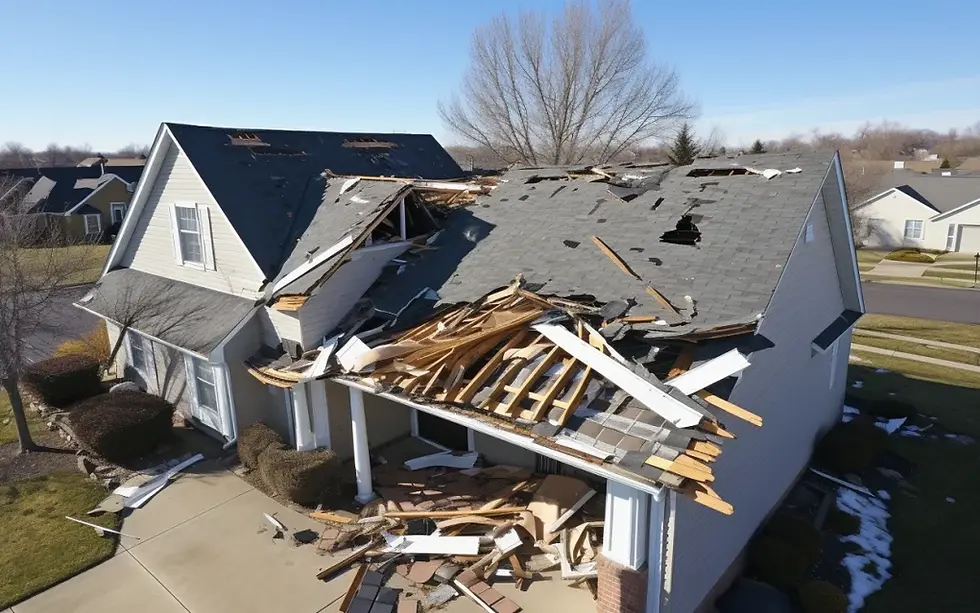
For example, a homeowner may report storm damage and call several times to schedule an inspection. If the carrier waits too long, weather changes may affect the condition of the property. The carrier may later argue that some damage came from poor maintenance, wear and tear, or a later event.
If an adjuster ignores requests or fails to explain what is missing, the insured may not know which records, bills, or proof the carrier claims to need. Later, the carrier may argue the file was incomplete.
A delay may look harmless in the moment. Over time, it can become a tool.
Silence often benefits the insurance carrier
Insurance carriers handle claims every day. Most insureds do not. That experience gap matters.
The carrier knows how the claim process works. It knows what documents it wants, what deadlines may apply, what language appears in the policy, and how claim value is evaluated. The insured is often trying to understand all of that while dealing with property damage, financial stress, an injury, or a major disruption in daily life.
When the carrier does not respond, the insured may feel stuck. That stuck feeling can lead to decisions that hurt the claim.
Some people stop calling because they do not want to be difficult. Some assume the carrier will eventually do the right thing. Some accept the first offer because they are tired of waiting. Some never realize that the lack of response should be challenged and documented.
That is one reason insurance carrier delays can be so damaging. The delay does not need to formally deny the claim to reduce its value. It can simply drain the insured’s patience, create uncertainty, and make a low settlement feel like the only practical option.
If a carrier says something over the phone but nothing appears in writing, the insured may have a hard time proving what was said later.
That is why every conversation must leave a paper trail.
Phone calls are useful, but written records protect the claim
Phone calls can help move a claim forward. They are often faster than letters and easier than waiting days for a written response. The problem is that phone calls disappear unless someone documents them.
A carrier representative may say:
“We are still reviewing the file.”
“We do not need anything else from you.”
“The adjuster will call you next week.”
“Your estimate is being evaluated.”
“The payment should go out soon.”
“That damage is not covered.”
Those statements matter. If they are not confirmed in writing, they can be denied, forgotten, or explained differently later.
The safest habit is simple: document every call and follow up with an email.
A good call record should include:
The date and time of the call
The phone number used
The full name of the person you spoke with
The person’s job title or department, if provided
The claim number
The topics discussed
Any promises, deadlines, or requests made
Any documents the carrier said were missing
Any coverage position or payment discussion
What the next step is supposed to be
Do this even if the call seems routine. A small detail can become important later.
Follow-up emails should be clear and direct
After the call, send an email that confirms the conversation. The goal is not to argue. The goal is to create a written record.
Keep the email short, professional, and specific. Avoid emotional language. Avoid guessing about motives. State what was discussed and ask the carrier to correct anything that is inaccurate.
Here is a simple example:
Thank you for speaking with me today regarding claim number \[claim number\]. This email is to confirm our conversation on \[date\] at approximately \[time\]. During the call, you stated that the carrier has received \[documents or estimates\] and that no additional documents are needed from me at this time. You also stated that the file is under review and that I should receive an update by \[date\]. If anything in this summary is incorrect, please respond in writing and clarify the carrier’s position.
This kind of email does several things at once. It confirms what was said. It gives the carrier a chance to correct the record. It shows that the insured is paying attention. It also creates a timeline that may help later if the claim becomes disputed.
If the carrier does not respond, that silence becomes part of the record too.

Letters and requests should not disappear into the file
Insurance claims often involve letters, document requests, and formal notices. If a carrier sends a letter asking for information, respond in a way that can be tracked.
If you mail documents, use a method that confirms delivery. If you email documents, save the sent message and any delivery confirmation if available. If you upload documents through a claim portal, take screenshots or save confirmation pages.
Do not rely on “I sent it” if you cannot prove when and how it was sent.
A simple claim file at home can make a major difference. Keep copies of:
The insurance policy
The declarations page
All letters from the carrier
All emails sent and received
Estimates and invoices
Photos and videos of damage
Medical bills or records, if relevant
Payment checks or explanations of payment
Notes from every phone call
Proof of mailing or delivery
A timeline of major claim events
This does not need to be complicated. A folder on your computer and a physical folder for paper documents may be enough. The key is consistency.
Delays can create confusion about coverage
One of the most frustrating parts of a delayed claim is not knowing where things stand.
Is the claim approved? Is the carrier still investigating? Is something missing? Has the carrier denied part of the claim? Is the payment final, partial, or advance? Is the contractor’s estimate being reviewed? Is another inspection needed?
If the carrier does not clearly explain its position, the insured may make decisions based on incomplete information.
For example, an insured may delay repairs because they are waiting for approval. Later, the carrier may claim the insured failed to prevent further damage. Or the insured may pay out of pocket for repairs without knowing what documentation the carrier will require for reimbursement.
When the carrier is unclear, ask direct written questions:
What is the current status of the claim?
What documents does the carrier claim are still missing?
Has the carrier accepted or denied coverage?
If any part of the claim is denied, what policy language supports that decision?
Is the payment offered final or undisputed?
What is the deadline for the next response?
Who is responsible for the next step?
These questions force clarity. They also limit the carrier’s ability to later suggest that the insured failed to cooperate or failed to provide information.
Do not let delay pressure you into a low settlement
One of the biggest risks of carrier delay is settlement fatigue.
After enough unanswered calls, people often start thinking, “I just want this over.” That feeling is understandable. Claims can be exhausting, and many people need money quickly to repair property, replace belongings, pay bills, or move forward.
The carrier may make an offer that seems helpful in the moment but does not fully account for the loss. If the insured accepts without understanding the scope of damage, the available coverage, or whether the payment is final, they may give up valuable rights.
Before accepting a settlement, slow down and ask:
Does this payment cover all known damage or losses?
Are there hidden or future costs that have not been included?
Has an independent contractor, estimator, or professional reviewed the damage?
Has the carrier explained any depreciation, deductible, exclusion, or limitation?
Is the carrier asking for a release?
Will accepting the payment close the claim?
Are there deadlines to dispute the amount?
Do not assume a check means the claim is fully and fairly resolved. Sometimes a payment is only partial or undisputed. Sometimes it comes with conditions. Read all letters and payment explanations carefully.
If anything is unclear, ask in writing before depositing the check or signing any release.
A timeline can show the pattern
One unanswered call may not prove much. A pattern of unanswered calls, ignored letters, and delayed responses tells a different story.
Build a timeline from the start of the claim. It can be simple, but it should be accurate.
Use entries like this:
Date | Event | Proof |
March 3, 2026 | Claim reported to carrier | Claim confirmation email |
March 7, 2026 | Called adjuster and left voicemail | Call log screenshot |
March 9, 2026 | Sent photos and estimate by email | Sent email |
March 14, 2026 | Followed up with no response | Sent email |
March 20, 2026 | Spoke with representative who said review was pending | Call notes and follow-up email |
This kind of timeline helps organize the file. It can also reveal delay patterns that are easy to miss when events are spread over weeks or months.
If the claim later requires escalation, a clean timeline can save time and strengthen the insured’s position.
Written escalation may be necessary
If calls and routine emails do not work, the next step may be a firmer written request. Stay professional, but make the problem clear.
A written escalation may include:
The claim number
A short summary of the loss
A list of unanswered calls, emails, or letters
The documents already provided
The specific response requested
A reasonable deadline for the carrier’s reply
A request that all future communications be in writing
Send the escalation to the adjuster and, if available, a supervisor or claim manager. Keep proof of delivery.
The tone should remain controlled. The goal is to show that you are organized, that you know the file history, and that continued silence is not acceptable.
Avoid threats you are not prepared to follow through on. Avoid insults. Avoid long emotional arguments. Let the record speak.
What to do when the carrier keeps ignoring you
If the carrier continues to ignore calls, requests, and letters, it may be time to get help. That help could come from a qualified attorney, a licensed public adjuster for certain property claims, or another professional familiar with the type of claim involved.
The right next step depends on the claim, the policy, the state, the amount in dispute, and the stage of the process. Deadlines can matter, so waiting too long may create risk.
Before speaking with someone, gather:
The policy
The claim number
All carrier letters
Your email records
Your call notes
Photos, estimates, invoices, and receipts
The timeline of events
Any settlement offer or denial letter
A professional can usually give better guidance when the file is organized. Even if the advice is simply to send a stronger written demand or clarify a coverage question, the record you built will help.
The best protection is a clear record
Insurance carriers should respond to reasonable calls, requests, and letters. When they do not, the insured should not be left guessing, waiting, or accepting less just to end the process.
The best protection is a clear, consistent record.
Document every call. Follow up every conversation with an email. Save every letter. Track every request. Confirm every promise. Ask direct written questions when the carrier is unclear.
Silence can hurt a claim, but a strong paper trail can push back against that silence.
If you have questions about a delayed claim or want help thinking through the next conversation points, reach out before the record gets more confusing. The earlier the file is organized, the easier it is to protect the claim.
Any question reach out to
Alfred Smith CPCU
Alfred Smith CPCU Claims Services LLC
617 697 2646


Comments