Why Older Homes in RI and CT Make Insurance Claims More Complicated
- alfredsmithcpcu
- Aug 13
- 9 min read
Older homes have character, but insurance claims do not pay for character. They pay for covered damage, documented repairs, and policy terms. That gap is where many Rhode Island and Connecticut homeowners run into trouble after a storm, fire, leak, or fallen tree.
A house built in 1890 in Providence, a 1920s shoreline cottage in Old Saybrook, or a mid-century Cape in Warwick may have layers of construction that no longer match today’s materials or codes. The damage may look simple from the street. Once a contractor opens a wall or lifts a floorboard, the claim can become harder to price, harder to document, and harder to settle.
This article is for general information only. Insurance coverage depends on the policy, the damage, and the facts of the claim.
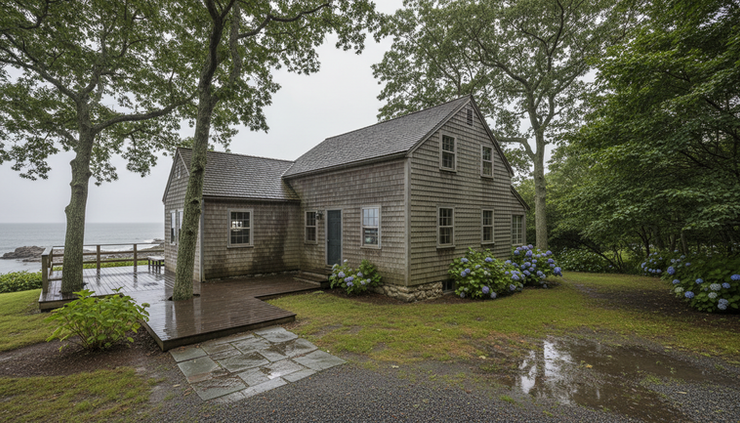
Older homes often contain materials that are harder to replace
Many older homes in RI and CT were built with materials and methods that are not common in modern construction. That does not automatically make them unsafe or uninsurable. It does mean a claim adjuster and contractor may need more time to understand what was damaged and what it will take to restore it properly.
Common examples include:
Plaster and lath walls
Unlike drywall, plaster can crack beyond the visible area of impact. Water may travel behind the surface before stains appear.
Slate, cedar, or older asphalt roofing
Matching a small damaged section may be difficult. Some materials require specialized labor.
Original hardwood floors
A small water leak can affect old-growth flooring that is hard to match in width, species, or finish.
Stone or brick foundations
Older foundations may react differently to moisture, freezing, and soil pressure than poured concrete.
Custom trim and millwork
Doors, moldings, stair parts, and built-ins may not be stock items at a local building supply store.
The insurance question is not only “What was damaged?” It is also “What is the covered method of repair under the policy?”
That distinction matters. A contractor may recommend replacing a full room of flooring so the finish matches. The insurer may first evaluate whether the policy pays for matching, partial repair, or replacement of undamaged material. State claim handling rules and policy language can affect the outcome, but the starting point is always the contract.
In older homes, the repair price can also rise because the work is slower. Removing water-damaged plaster, protecting original trim, or tying modern materials into older framing takes care. The estimate needs to reflect the real work, not a generic new-construction repair.
Hidden systems can turn a small claim into a bigger investigation
A leak under a sink in a newer house may damage a cabinet, a section of flooring, and some drywall. In an older home, that same leak may expose aging plumbing, old wiring, prior patchwork, or rot from earlier moisture.
That creates a common point of tension in claims. Insurance usually covers sudden and accidental damage, if the policy applies. It usually does not cover long-term wear, neglect, corrosion, or maintenance issues. When old systems are involved, the adjuster may look closely at cause and timing.
Electrical systems can raise safety and coverage questions
Rhode Island and Connecticut both have plenty of homes that have been updated in stages. A house may have a modern panel, but older wiring may remain in parts of the building. Some properties may still contain knob-and-tube wiring, cloth-insulated wiring, or ungrounded circuits.
After a fire or smoke claim, these details matter. The insurer may ask whether the damage came from a covered fire event, faulty workmanship, old wiring, or a condition excluded by the policy. A licensed electrician may need to inspect the system before repairs can move forward.
Plumbing materials can complicate water claims
Older homes may contain galvanized steel, cast iron, copper, PVC, or a mix of materials installed over many years. A pipe failure may look sudden, but corrosion can raise questions.
For example, if a supply line bursts and floods a kitchen, resulting water damage may be covered. Replacing the worn pipe itself may not be covered. If the insurer believes the leak happened slowly over time, the claim can become more difficult.
Documentation helps. Photos of the damaged pipe, plumber notes, dry-out records, and moisture readings can help separate sudden damage from older conditions.
Heating systems and chimneys need special attention
Older houses may have oil heat, steam radiators, older chimneys, wood stoves, or converted systems. Puff-back claims, chimney fires, and heating-related smoke damage can require specialized cleanup and mechanical inspection.
These are not claims to handle with a quick coat of paint. Smoke residue can reach hidden cavities, closets, insulation, and ductwork. If the home has older plaster, porous masonry, or unfinished basement areas, the scope of cleaning may need careful review.

Building codes can change the cost of repairs
One of the biggest claim issues in older homes is code compliance. When a covered loss damages part of a house, the repair may trigger current building code requirements. That can affect electrical work, insulation, framing, stairs, railings, smoke detectors, roofing, and more.
This is where ordinance or law coverage becomes important. Many homeowners do not notice this part of the policy until they need it. It may help pay for the extra cost of bringing damaged areas up to current code after a covered loss. Without it, the homeowner may face a gap between what insurance pays and what the building department requires.
A simple example:
A roof on an older home suffers covered wind damage. During repair, the contractor finds that the roof deck does not meet current requirements for the new roofing system. The insurer may agree to pay for the damaged shingles, but the added cost of decking updates may depend on policy language and ordinance or law coverage.
The same issue can happen inside the home. If a kitchen fire damages walls and wiring, the electrician may need to bring parts of the system up to code before the town signs off. That work may be necessary, but not automatically covered in full.
In RI and CT, code issues may also vary by town, building age, historic district rules, and coastal requirements. A claim in a historic neighborhood may involve different repair expectations than a claim in a newer subdivision. A shoreline property may face added concerns tied to flood zones, wind exposure, elevation, or local permitting.
Coastal weather and old construction create a difficult mix
Rhode Island and Connecticut homeowners know that weather can come from every direction. Nor’easters, heavy rain, winter freezes, tropical systems, and coastal wind can all damage older homes. The challenge is that weather damage often overlaps with age-related wear.
Wind may lift shingles on a roof that was already near the end of its useful life. Water may enter around old windows that had failing glazing. Ice dams may form on a roof with limited insulation and ventilation. A basement may flood after heavy rain through an old stone foundation.
Those mixed-cause claims can be complicated.
Insurance adjusters often look for evidence of storm-created damage, such as:
Missing or creased shingles
Impact marks from branches or debris
Interior staining that lines up with a recent event
Sudden pipe breaks after freezing
Damage patterns consistent with wind-driven rain
Photos or reports from the date of loss
They may also look for signs of older conditions, such as:
Rot
Rust
Prior staining
Mold-like growth
Repeated patching
Deteriorated sealant
Long-term moisture trails
The difference matters because maintenance problems are usually not covered. Storm damage may be covered, subject to exclusions, deductibles, and limits.
Coastal homes may bring more policy details into play. Some policies have separate wind or hurricane deductibles. Flood damage is often excluded from standard homeowners insurance and may require a separate flood policy. Surface water, tidal surge, and groundwater seepage can create hard coverage questions.
For an older shoreline home, the source of water is critical. Water entering through a wind-damaged roof is treated differently from water rising from the ground or entering from storm surge.

Documentation matters more when the house has a long history
Every home claim benefits from good documentation. Older homes need it even more because the damage story can be less obvious.
A newer home may have standard materials, clear construction records, and fewer prior repairs. An older home may have decades of changes. A claim file can get messy when nobody knows when a wall was opened, when a roof was patched, or what materials were used.
Good documentation helps show what changed because of the covered event.
Start with the basics:
Take photos and video before cleanup, if it is safe.
Save damaged parts when possible, such as broken pipe sections or failed supply lines.
Keep invoices from emergency mitigation, plumbers, electricians, roofers, and cleanup crews.
Ask contractors to describe the cause of damage in plain language.
Keep a timeline of what happened, when it was discovered, and who inspected it.
For older homes, it also helps to keep records from before the loss:
Inspection reports from purchase
Renovation permits
Roof replacement records
Electrical upgrade invoices
Plumbing repair receipts
Photos from past projects
Appraisals or documentation for unique finishes
These records can protect the homeowner from assumptions. If an insurer questions whether a condition existed before the loss, earlier records may help show the home’s condition.
Contractor estimates should also be detailed. A single line that says “repair water damage” does not help much. A stronger estimate explains the room, material, square footage, removal work, drying, repair method, finish work, and code-related items.
Replacement cost is not always simple in an older home
Many homeowners carry replacement cost coverage, but the term can be misunderstood. Replacement cost generally means the cost to repair or replace covered damaged property with materials of like kind and quality, subject to the policy. It does not mean the insurer must fund every preferred upgrade or restore every old feature exactly as it was, no matter the cost.
Older homes make that phrase, “like kind and quality,” harder to apply.
What is like kind and quality for a 100-year-old oak floor? What about hand-shaped trim, a slate roof, or plaster walls with a texture no one uses today? These questions can lead to disputes over scope and price.
The issue is not always bad faith or delay. Sometimes the parties are working from different assumptions:
The contractor may price the repair based on craft, matching, and site conditions.
The homeowner may expect the room to look the same after repairs.
The building official may require code upgrades.
The insurer may price the repair using standard estimating software and average material assumptions.
The policy may limit payment for undamaged matching materials.
The policy may cover code upgrades only if ordinance or law coverage applies.
Depreciation can also affect payment. If the policy pays actual cash value first, the initial check may subtract depreciation. The recoverable depreciation may be paid after repairs are completed, depending on the policy. For older materials, depreciation can be significant.
That makes it important to read the estimate, not just the total. Look at what the insurer included, what was excluded, and what is listed as depreciation. If something seems missing, ask for clarification in writing.

The best time to reduce claim problems is before a loss
No one wants to prepare for a claim. Still, a few steps can make a major difference when damage happens.
Walk through the house once or twice a year and take photos of key areas. Include the roof from the ground, exterior walls, basement, attic, mechanical systems, and finished rooms. These photos can become proof of condition.
Review the insurance policy with special attention to:
Dwelling limit
Replacement cost terms
Actual cash value terms
Ordinance or law coverage
Water backup coverage
Wind or hurricane deductible
Flood exclusion
Limits for other structures
Special limits for valuables
Matching language, if included
For older homes, the dwelling limit deserves close attention. Market value and rebuild cost are not the same. A home may sell for one amount but cost far more to rebuild because of labor, materials, site access, demolition, code upgrades, and custom details.
Schedule maintenance before it becomes a claim issue. Clean gutters. Repair flashing. Service heating equipment. Replace failing supply lines. Address small leaks quickly. Keep trees trimmed away from the roof. In colder months, protect pipes in unheated spaces.
When hiring contractors for upgrades, save permits and invoices. If an electrician replaces old wiring or a roofer installs a new roof, that record may help in a future claim. It can also help when shopping for coverage.
If damage does happen, report it promptly, prevent further damage when safe, and avoid throwing away key evidence too soon. Emergency work may be necessary, especially after water or fire damage, but photos and saved parts can matter.
Older homes are not the problem, unclear claim facts are
Older homes in Rhode Island and Connecticut are worth preserving. Their age can be part of their value. The challenge is that insurance claims depend on cause, coverage, condition, materials, and documentation. Older houses often make each of those harder to prove.
The best approach is practical. Know the policy. Keep maintenance records. Document the home before anything happens. After a loss, gather clear evidence, get detailed estimates, and ask direct questions about what is covered and why.
A claim involving an older home may take more work, but it does not have to become chaos. The clearer the facts, the easier it is to separate covered damage from age-related issues and move toward a fair repair plan.



Comments