


How a Public Adjuster Can Help You Reopen Underpaid Insurance Claims in New England
When your insurance claim is underpaid or mishandled, it can feel like you have nowhere to turn. Many homeowners in Massachusetts, Rhode Island, and Connecticut face this challenge after experiencing property damage. Insurance companies often settle claims for less than what is needed to fully repair or replace damaged property. This leaves homeowners stuck with out-of-pocket expenses or incomplete repairs. Fortunately, a licensed public adjuster can reopen your insurance claim, submit supplements, and fight for the full payout you deserve. This post explains how the process works and how a public adjuster protects homeowners in New England.

What Happens When Your Insurance Claim Is Underpaid
Insurance claims can be complicated. After filing a claim, an insurance company sends an adjuster to assess the damage and estimate repair costs. Unfortunately, these estimates often fall short of actual expenses. Common reasons for underpayment include:
Incomplete damage assessment: Some damage may be hidden or overlooked during the initial inspection.
Lowball estimates: Insurance adjusters may intentionally undervalue repairs to reduce payouts.
Policy misunderstandings: Homeowners may not fully understand their coverage limits or exclusions.
Missed supplemental claims: Additional damage discovered after the initial claim may not be included.
When your claim is underpaid, you may receive a settlement check that does not cover all repairs. This can delay restoration and increase stress.
How a Public Adjuster Can Reopen Your Claim
A public adjuster is a licensed professional who works exclusively for the policyholder, not the insurance company. Their job is to ensure you receive the maximum settlement allowed under your policy. Here’s how they help reopen an underpaid claim:
Review the original claim file
The public adjuster obtains all documentation related to your claim, including the insurance company’s estimate, photos, and correspondence. They look for gaps or errors in the initial assessment.
Conduct a thorough inspection
The adjuster visits your property to identify damage that was missed or underestimated. This includes hidden issues like water damage behind walls or structural problems.
Prepare supplemental documentation
Using detailed measurements, contractor estimates, and photos, the public adjuster prepares supplements to add to your original claim. These supplements justify additional funds needed for repairs.
Negotiate with the insurance company
The public adjuster submits the supplements and advocates on your behalf. They negotiate to increase your settlement based on the new evidence.
Manage the claims process
Throughout the reopening and supplement submission, the public adjuster handles all communication with the insurer. This reduces stress and ensures deadlines are met.
Why Homeowners in Massachusetts, Rhode Island, and Connecticut Need Public Adjusters
New England’s weather can be harsh, with storms, heavy snow, and flooding causing frequent property damage. Homeowners in Massachusetts, Rhode Island, and Connecticut often face complex insurance claims after events like hurricanes or winter storms. Public adjusters licensed in these states understand local insurance laws and policies, which vary by state.
They also know how to navigate common challenges such as:
State-specific insurance regulations
Local contractor pricing and repair standards
Common types of storm damage in New England
By hiring a public adjuster familiar with your state, you gain an advocate who understands the nuances of your insurance policy and local conditions.
Real-Life Example of Claim Reopening Success
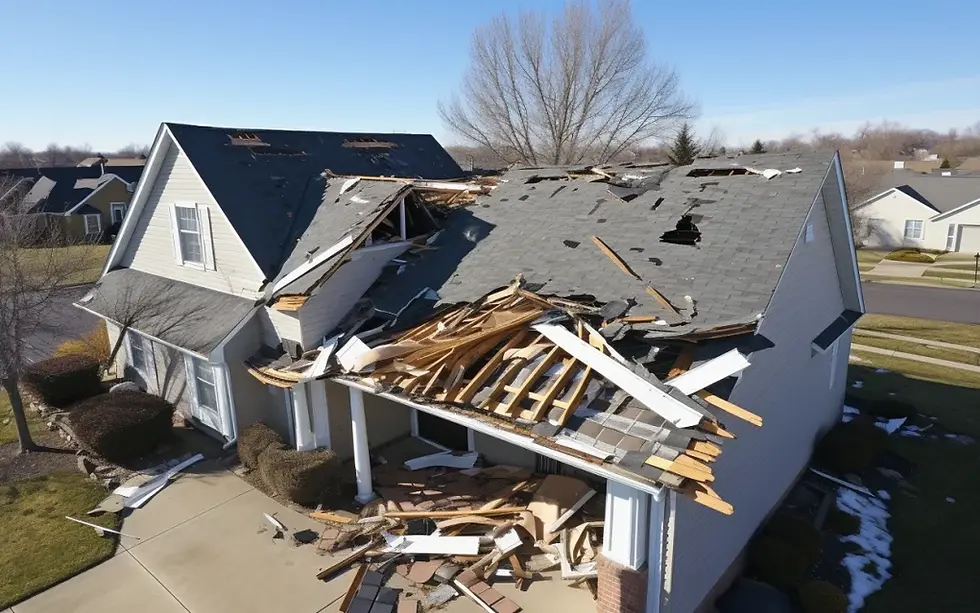
Consider a homeowner in Rhode Island who suffered roof and water damage during a severe storm. The insurance company initially paid $15,000 based on their adjuster’s estimate. After hiring a public adjuster, a detailed inspection revealed additional hidden water damage inside the walls and attic.
The public adjuster submitted supplements with contractor bids totaling an extra $12,000. After negotiations, the insurance company agreed to increase the payout to cover the full $27,000 needed for repairs. The homeowner avoided costly out-of-pocket expenses and restored their home properly.
What to Expect When Working with a Public Adjuster
If you decide to hire a public adjuster, here’s what typically happens:
Initial consultation: The adjuster reviews your claim and explains how they can help.
Authorization: You sign a contract giving the adjuster permission to represent you.
Claim review and inspection: The adjuster examines your claim documents and inspects your property.
Supplement preparation: They gather estimates and evidence for additional damages.
Negotiation and settlement: The adjuster submits supplements and negotiates with the insurer.
Final payout: Once agreed, you receive the increased settlement.
Public adjusters usually work on a contingency fee basis, meaning they get paid a percentage of the settlement increase. This aligns their interests with yours.
Tips for Choosing the Right Public Adjuster
Not all public adjusters are the same. To find a qualified professional in Massachusetts, Rhode Island, or Connecticut, consider:
Licensing: Verify they hold a valid license in your state.
Experience: Look for adjusters with experience handling claims similar to yours.
References: Ask for testimonials or referrals from past clients.
Transparency: Ensure they clearly explain fees and the claims process.
Communication: Choose someone who keeps you informed and answers questions promptly.
How to Avoid Underpaid Claims in the Future
While a public adjuster can help fix underpaid claims, prevention is better. Homeowners can take steps to reduce the risk of underpayment:
Document your property condition before damage occurs with photos and videos.
Understand your insurance policy and coverage limits.
Report damage promptly and keep detailed records of all communications.
Get independent repair estimates early to compare with insurer offers.
Consider hiring a public adjuster immediately after major damage to assist with the initial claim.
Protecting Your Home and Finances with a Public Adjuster
Insurance claims can be overwhelming, especially after a disaster. A licensed public adjuster in Massachusetts, Rhode Island, or Connecticut acts as your advocate, ensuring your claim is fully and fairly handled. They reopen underpaid claims, submit supplements, and negotiate for the payout you deserve.
If you suspect your insurance claim was mishandled or underpaid, don’t accept less than what you need to restore your home. Contact a licensed public adjuster to review your case and fight for your rights.
Your home is one of your biggest investments. Protect it by making sure your insurance claim works for you.
Disclaimer: This blog post provides general information about insurance claims and public adjusters. It is not legal or financial advice. For specific questions about your insurance policy or claim, consult a licensed professional.


Comments