



Understanding Bad Faith Insurance Claims and How to Protect Your Rights
An insurance policy is supposed to be a safety net. When a fire, crash, storm, injury, theft, or medical crisis happens, the insurer should review the claim fairly and pay what the policy requires. Bad faith enters the picture when an insurance company does not just disagree with a claim, but handles it in a dishonest, unreasonable, or unfair way.
That distinction matters. A denied claim is not always bad faith. Insurers can question coverage, request documents, and investigate losses. But they cannot ignore facts, delay without reason, misrepresent policy terms, or pressure people into accepting less than they are owed.
This guide explains what bad faith insurance claims are, what warning signs to watch for, and how to protect your rights if an insurer crosses the line. This article is for general information only and is not legal advice. Insurance law varies by state, so speak with a qualified attorney about your specific situation.

What bad faith means in insurance
Insurance companies have a legal duty to treat policyholders fairly. In many states, that duty includes investigating claims promptly, communicating clearly, and making reasonable decisions based on the policy and the evidence.
Bad faith usually means the insurer acted unreasonably and knew, or should have known, that its conduct was unreasonable. The exact legal test depends on the state and the type of policy.
Bad faith can happen with many kinds of insurance, including:
Homeowners insurance
Auto insurance
Health insurance
Life insurance
Disability insurance
Business property insurance
Liability insurance
Uninsured or underinsured motorist coverage
The core issue is not whether the insurer made a mistake. The issue is whether the company handled the claim in a way that violated its duty to act honestly and fairly.
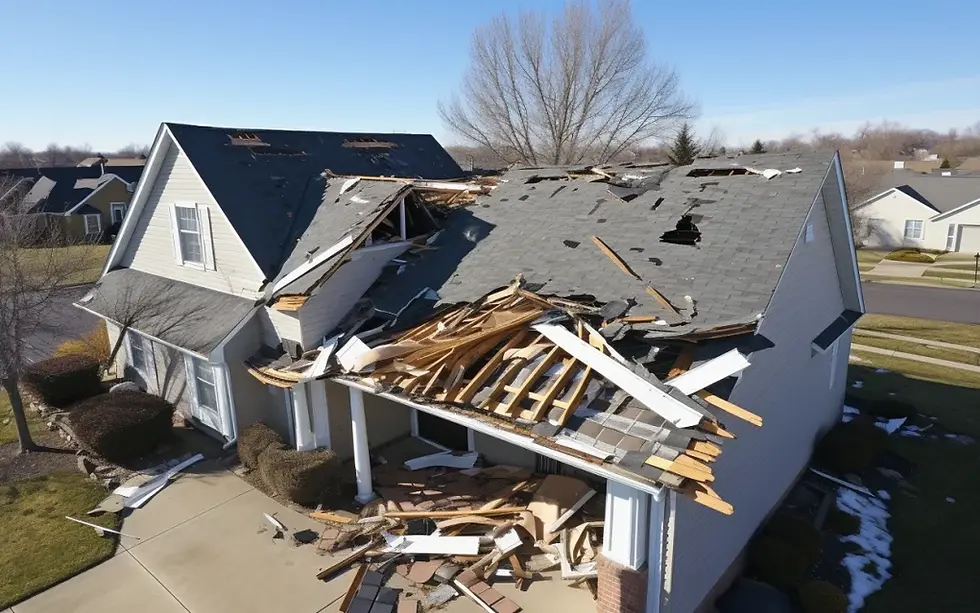
A simple example helps. If a hailstorm damages a roof and the policy covers hail damage, the insurer can inspect the roof and ask for repair estimates. That is normal. But if the insurer ignores clear contractor reports, sends denial letters that do not match the policy, or waits months without explanation, the conduct may raise bad-faith concerns.
Common signs an insurer may be acting in bad faith
A claim can become frustrating without becoming unlawful. Still, certain patterns deserve close attention.
The insurer delays the claim without a real reason
Insurance investigations take time, especially after major disasters. But repeated delays with no clear explanation can be a red flag.
Watch for delays such as:
Long gaps between communications
Repeated requests for the same documents
Missed deadlines under state law or the policy
Promises of updates that never arrive
Payment delays after the insurer has accepted coverage
Some states require insurers to respond, accept, deny, or pay claims within specific time frames. Even when no hard deadline applies, insurers generally must act within a reasonable time.
The company gives a vague or shifting denial
A denial should explain the reason for the decision and point to relevant policy language. A letter that says only “not covered” may not be enough.
A stronger warning sign appears when the insurer keeps changing its reason for denial. For example, one letter says the loss is excluded because of wear and tear. A later call says the company never received proof of loss. A third message claims the damage happened before the policy period.
Shifting explanations can suggest the insurer is searching for a reason not to pay instead of weighing the evidence fairly.
The insurer misrepresents the policy
Insurance policies are dense, but insurers cannot twist the language or leave out key terms.
Examples may include:
Quoting only part of an exclusion while ignoring an exception
Saying a coverage limit is lower than it is
Claiming a deadline has passed when the policy says otherwise
Telling a policyholder that certain benefits do not exist
If a claims representative describes coverage over the phone, ask for the explanation in writing and request the exact policy section.
The settlement offer is far below the documented loss
Disputes over value are common. A low estimate is not automatically bad faith. But an offer may become suspect if it ignores clear records, repair estimates, medical bills, valuation reports, or expert opinions.
For example, after a covered kitchen fire, a contractor estimates repairs at a detailed and well-supported amount. The insurer offers a fraction of that amount without explaining what it excluded or why. If the company refuses to reconsider after receiving evidence, the offer may be more than a simple disagreement.
The insurer fails to investigate properly
An insurer cannot deny a claim first and investigate later. It should gather enough information to make a fair decision.
Poor investigation may include:
Refusing to inspect damaged property
Ignoring witness statements
Failing to review police reports or medical records
Relying on an expert opinion that does not address key facts
Overlooking evidence the policyholder submitted
A fair investigation does not have to favor the policyholder. It does have to be reasonable.

What to do when you suspect bad faith
The steps you take early can affect the strength of your claim later. The goal is to create a clear record, reduce confusion, and avoid giving the insurer an easy excuse to delay or deny.
Review your policy carefully
Start with the policy itself, not just the declarations page. Look for sections that cover:
What losses are covered
What exclusions apply
Notice requirements
Proof of loss deadlines
Duties after loss
Appraisal or dispute procedures
Payment timing
Limits and deductibles
If the insurer cites a policy section, read the full section. Do not stop at the sentence quoted in the denial letter. Many policies include exceptions that restore coverage in certain situations.
Keep every communication in writing when possible
Phone calls can be useful, but written records are stronger. After a call, send a short follow-up message confirming what was discussed.
A simple note can say:
Thank you for speaking with me today. My understanding is that the claim is still under review, the company is waiting for the contractor estimate I sent on June 4, and I should receive an update by June 18. Please let me know if I misunderstood anything.
This kind of message does not need to be aggressive. It just creates a record.
Build a claim file
Keep all claim materials in one place. A simple digital folder, paper binder, or both can work.
Include:
The full policy and declarations page
Claim numbers
Emails and letters
Notes from phone calls
Photos and videos
Estimates, invoices, and receipts
Medical records or repair records, if relevant
Names of adjusters and inspectors
Dates of inspections and conversations
For phone calls, write down the date, time, name of the person you spoke with, and the main points discussed.
Ask direct questions
If the insurer delays, denies, or underpays the claim, ask clear written questions.
Useful questions include:
What specific policy language supports the decision?
What facts did the company rely on?
What documents are still needed?
What deadline applies to the next claim decision?
Who is currently assigned to the claim?
Will the company reconsider if new evidence is submitted?
Direct questions make it harder for an insurer to stay vague.
Submit evidence in an organized way
When you send documents, identify what each item is and why it matters. Do not assume the adjuster will connect every dot.
For example:
Contractor estimate Shows the cost to repair roof damage from the storm.
Photos from the day after the loss Show missing shingles and water intrusion in the attic.
Weather report Shows hail in the area on the date of loss.
Send copies, not originals, unless required. Keep proof of delivery.

What not to do during a disputed claim
When a claim feels unfair, frustration is natural. Still, some reactions can weaken your position.
Do not exaggerate the loss
Accuracy matters. Estimate honestly, correct mistakes quickly, and do not include unrelated damage. An insurer can use exaggeration to attack the entire claim.
Do not ignore policy deadlines
Policies often require prompt notice, proof of loss forms, inspection access, or cooperation. Missing deadlines can create problems even when the original claim is valid.
If you need more time, ask for an extension in writing before the deadline passes.
Do not throw away damaged property too soon
The insurer may have a right to inspect damaged items. If safety requires cleanup, take detailed photos and videos first. Save samples when practical, such as damaged flooring, broken parts, or packaging for expensive items.
Do not accept a settlement without understanding it
Some checks or release forms may limit future recovery. Read every document before signing. If language says “full and final settlement,” “release of all claims,” or similar wording, get advice before moving forward.
Do not rely only on verbal promises
A claims representative may be polite and still be wrong. If a promise matters, ask for it in writing.
When a denied claim becomes a legal dispute
If the claim does not improve after you submit evidence and request written explanations, several options may be available.
Internal appeal or supervisory review
Some insurers have an internal review process. You can ask for a supervisor or claims manager to review the file. Keep the request factual and attach the key evidence.
State insurance department complaint
Every state has an insurance regulator. A complaint may prompt the insurer to explain its position. Regulators may not award damages in the same way a court can, but a complaint can create pressure for a clearer response.
Appraisal or alternative dispute process
Some property policies include appraisal clauses for disputes over the amount of loss. Appraisal may help when both sides agree coverage exists but disagree on value. It may not solve disputes about whether the policy covers the loss at all.
Legal claim for bad faith
A legal claim may seek more than the original policy benefits. Depending on state law and the facts, possible recovery may include:
Unpaid policy benefits
Interest
Attorney’s fees
Emotional distress damages in limited situations
Punitive damages in serious cases
Punitive damages are not available in every case or every state. Courts often reserve them for especially harmful conduct.
Because these claims are state-specific, an attorney can explain the legal standard, deadlines, and likely value of the dispute.
How to strengthen your position before trouble starts
The best time to protect a claim is before a loss happens. A few habits can make a major difference later.
Review your coverage once a year. Make sure limits match the value of your home, car, business property, or other insured assets. After major purchases or renovations, update your insurer.
Keep records of valuable property. Photos, receipts, serial numbers, and appraisals can help prove ownership and value. For home insurance, a room-by-room video inventory can be useful.
Report losses promptly. Even if you do not have every document yet, notify the insurer and ask what steps come next.
Use clear descriptions. Say what happened, when it happened, and what damage you can see. Avoid guessing about causes if you are not sure.
Save receipts after a loss. Temporary repairs, hotel stays, rental cars, cleanup supplies, and medical costs may matter, depending on the policy.
The stronger your records, the harder it is for an insurer to dismiss your claim without explanation.

The key rights policyholders should remember
Insurance disputes can feel uneven because insurers handle claims every day. Most policyholders do not. Still, policyholders have rights.
You have the right to ask for the policy language behind a denial. You have the right to submit evidence. You have the right to receive a reasonable explanation. You have the right to challenge a decision that does not match the facts or the policy.
Bad faith is not just poor customer service. It is unfair claim handling that may violate the insurer’s legal duties. If delays, denials, or low offers do not make sense, slow the process down, gather the record, and ask for written answers.
The most practical next step is simple: create a claim timeline today. List every date, call, letter, payment, inspection, and document request. That timeline can help you see the pattern, explain the dispute clearly, and decide whether it is time to get professional legal guidance.


Comments