


Why Insurance Carriers Pay Less and How a Public Adjuster Helps
A homeowner files a claim expecting help. The insurance company sends an adjuster, takes photos, writes an estimate, and offers a check. On paper, it looks fair.
Then the contractor shows up.
The roof estimate is too low. The water damage estimate misses the flooring. The drywall number does not include insulation. The policy deductible was applied, but the real repair costs still do not match the payout. Suddenly, the claim that was supposed to make the homeowner whole becomes a fight over every line item.
That is the part many homeowners do not see coming.
Insurance carriers are not charities. They are businesses with claims departments, loss controls, policy language, pricing models, and financial targets. Their job is to handle claims under the policy, but they also have a strong financial reason to control how much they pay. This is the simple truth behind why insurance companies are cheap when a claim gets expensive.
That does not mean every insurance employee acts in bad faith. It means the system is built with pressure on one side. The carrier understands the policy, controls the claim process, reviews the evidence, assigns the adjuster, and decides what it believes is owed.
A public adjuster changes that balance.

Insurance carriers are built to control claim costs
Insurance works by collecting premiums from many policyholders and paying covered losses when they happen. That part is simple. The tension begins when a loss occurs and the amount owed is open to interpretation.
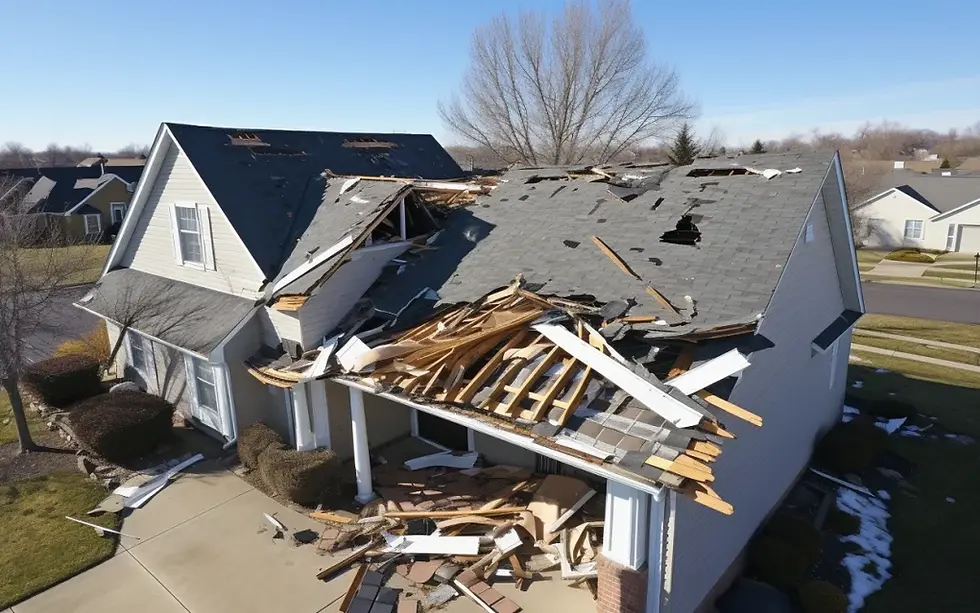
Property claims are rarely one clean number. A burst pipe may damage drywall, flooring, cabinets, trim, insulation, electrical components, and personal property. A tree that hits a home may damage the roof, framing, gutters, siding, attic, interior ceilings, and outdoor structures. A storm may leave obvious missing shingles and less obvious wind uplift that weakens the roof system.
Each item has to be identified, measured, priced, and tied back to covered damage.
That gives the carrier many ways to reduce the claim amount:
Write a narrow scope of damage
Use lower repair prices
Exclude related damage as wear and tear
Pay for patching instead of replacement
Miss hidden damage behind walls or under flooring
Apply depreciation aggressively
Delay decisions until the homeowner gives up
Deny parts of the claim based on policy exclusions
The carrier may call this “claim handling.” The homeowner experiences it as a low offer.
The problem is not always the first check itself. The problem is that many homeowners assume the first check is the final answer. It often is not.
The insurance adjuster does not work for the homeowner
One of the biggest misunderstandings in property claims is the role of the insurance adjuster.
The adjuster who comes from the insurance company may be polite, professional, and experienced. But that person represents the carrier. Their estimate is prepared for the insurance company. Their work is reviewed by the insurance company. Their authority comes from the insurance company.
That does not make the adjuster the enemy. It does mean their role is not the same as an advocate for the policyholder.
This is where the difference between an insurance adjuster vs public adjuster matters. A public adjuster is licensed to represent the policyholder, not the carrier. Their job is to inspect the damage, review the policy, prepare a detailed estimate, document the loss, and negotiate with the insurance company.
In plain terms:
Insurance company adjuster
Public adjuster
Carrier estimate
Public adjuster estimate
Carrier claim process
Public adjuster support
Works for or on behalf of the carrier
Works for the policyholder
Often focuses on what the insurer agrees to pay
Focuses on the full covered scope of damage
Controlled by the insurance company
Gives the homeowner representation in that process
Most homeowners would not go into a legal dispute relying only on the other side’s interpretation. A property claim is not always a lawsuit, but the same principle applies. When the other side controls the numbers, the policyholder needs someone who understands the numbers too.
Low claim estimates often start with missing damage
A low insurance estimate does not always look suspicious at first. It may be formatted neatly. It may include photos. It may use estimating software. It may even include many line items.
But a clean-looking estimate can still be incomplete.
A common example is water damage. The carrier may pay to remove wet drywall and repaint a room. But the estimate may miss:
Wet insulation inside the wall cavity
Damaged baseboards and trim
Flooring that continues into adjoining rooms
Cabinet swelling
Moisture under tile or laminate
Mold-related concerns, when covered and properly documented
Electrical components affected by water
The same issue happens with roof and storm claims. The estimate may include a few missing shingles, but not the full impact of wind damage, flashing damage, interior leaks, attic staining, or code-related requirements.
That is why a lowball insurance estimate can be so harmful. It sets the claim on a narrow path. If the homeowner accepts it without review, they may end up paying thousands out of pocket for damage that should have been evaluated.

Policy language gives carriers room to argue
Homeowners often think insurance is simple: if the house is damaged, the policy pays.
The actual policy is more complicated. It includes covered causes of loss, exclusions, conditions, limits, endorsements, deductibles, and duties after a loss. Small words can change the outcome of a claim.
For example, a carrier may agree that damage exists but dispute why it happened. Was the roof damaged by wind, or was it old age? Did water enter because of a sudden pipe break, or long-term seepage? Did the storm damage the siding, or was it pre-existing wear?
These distinctions matter because coverage depends on the cause of loss.
Carriers know how to frame these arguments. Homeowners usually do not. That puts the homeowner at a disadvantage from the start, especially when they are also trying to stop the damage, call contractors, protect their family, and keep daily life moving.
A public adjuster helps by connecting the physical damage to the policy. They can document the cause, prepare a clearer scope, gather contractor input, and push back when the carrier relies on a narrow interpretation.
This content is for general information only and is not legal or financial advice. Policy terms and claim rights can vary by state and by policy.
Delays can wear homeowners down
Underpayment is not the only issue. Delay is a powerful claim tactic because damaged homes create pressure.
If a kitchen is unusable, a roof is leaking, or a bedroom has exposed drywall, the homeowner wants the problem solved fast. The longer the process takes, the more tempting it becomes to accept less than the claim may be worth.
Delays can happen in many ways:
Requests for more documents
Multiple inspections
Slow estimate revisions
Confusing letters
Repeated requests for contractor bids
Partial payments that do not resolve the full loss
Long gaps between communication
Some delays are normal. Claims take time, especially after major storms when carriers receive a large volume of losses. But when the process drags on and the numbers still do not match the damage, the homeowner needs help.
A public adjuster can organize the claim, keep pressure on the process, and respond with documentation instead of emotion. That matters because insurance claim negotiation is usually won with evidence, not frustration.
The first payment is often not enough
Many homeowners panic when the first check is too small. They think accepting or receiving the check means the claim is closed.
Often, that is not true.
In many property claims, the first payment is based on the carrier’s initial estimate. If additional covered damage is found, the claim may be supplemented. Contractors often uncover hidden damage after demolition begins. A public adjuster may also identify missed items before repairs start.
That said, homeowners should be careful. Signing releases, accepting final settlement language, or failing to meet policy deadlines can create problems. Every claim should be handled with attention to paperwork and timing.
If the insurance payout is too low, the best next step is usually not to argue by phone. It is to build a better claim file.
That file may include:
Photos and videos of all visible damage
Moisture readings, when water is involved
Contractor estimates
Material details
Cause-of-loss notes
Damaged personal property lists
Receipts for emergency repairs
Temporary housing or additional living expense documents
A detailed estimate using accepted repair pricing
The stronger the documentation, the harder it is for the carrier to ignore the full scope.

A public adjuster helps before mistakes become expensive
Many homeowners wait too long to bring in a public adjuster. They call only after a denial, a very low payment, or months of frustration.
A public adjuster can help at those stages, but earlier is often better.
The best time to involve a public adjuster is when:
The damage is significant
The cause of loss may be disputed
The carrier estimate seems too low
The claim has been delayed
The carrier denies all or part of the loss
The home has hidden damage
The repair contractor disagrees with the insurance estimate
The policy language is confusing
The homeowner does not have time to manage the process
A public adjuster can inspect the property independently and prepare a claim strategy before the carrier’s estimate becomes the anchor point. That can prevent the claim from being framed too small at the beginning.
For example, in a storm damage claim, the carrier may focus only on visible shingle loss. A public adjuster may look at slope damage, interior leaks, attic conditions, gutters, siding, soft metals, and matching issues. In a water loss, they may examine moisture migration, flooring continuity, cabinets, and affected rooms that the first estimate skipped.
This is not about inflating a claim. It is about making sure the claim reflects the covered damage.
Public adjusters understand the repair side of the claim
A claim estimate is not just a list of prices. It is a construction document. If the estimate misses a step, the repair may not be possible at the price offered.
For instance, painting one wall may not restore a room if the color and finish cannot reasonably match. Replacing a few boards may not fix continuous flooring that runs through multiple rooms. Removing cabinets may require countertop, plumbing, trim, and finish work. Roof repairs may trigger code items depending on the location and scope.
Carriers may write estimates from a claim-cost standpoint. Contractors think in terms of how the work actually gets done. A good public adjuster understands both worlds and can translate real repair needs into claim language.
That is especially useful when the carrier says, “Have your contractor do it for our estimate.” If the contractor cannot perform the work properly for that amount, the homeowner needs a documented response, not a verbal disagreement.
Denied claims still deserve a closer look
A denial letter can feel final. Sometimes it is. But many denied claims deserve a second review.
Denials may rely on incomplete inspections, disputed causes of loss, missing documents, or policy exclusions that may not apply to every part of the damage. A public adjuster can review the denial, inspect the property, and identify whether the carrier overlooked covered damage.
This can matter in many types of claims:
Wind and hail damage
Tree impact damage
Pipe breaks
Appliance leaks
Fire and smoke damage
Ice dam related damage
Vandalism
Collapse concerns
Interior water damage after storms
Some states have specific claim handling rules and deadlines, so local experience can help. For instance, a homeowner searching for a Massachusetts public adjuster after a denied insurance claim in Massachusetts may need someone familiar with regional weather patterns, older housing stock, and the insurance claim process Massachusetts policyholders commonly face.
The same principle applies nationwide. Local knowledge helps, but representation matters everywhere.

The carrier has experts, so the homeowner should too
Insurance companies handle claims every day. They have adjusters, supervisors, engineers, consultants, estimators, attorneys, and policy specialists available when needed.
Most homeowners handle a serious property claim once or twice in a lifetime.
That experience gap is enormous.
A public adjuster narrows the gap by giving the homeowner a professional who understands claim documentation, estimating, policy review, and negotiation. The goal is not to create conflict for the sake of conflict. The goal is to make sure the carrier evaluates the loss fully and fairly.
A strong public adjuster can help with:
Full damage inspection
Policy review
Estimate preparation
Photo and document gathering
Communication with the carrier
Supplemental claim support
Dispute response
Settlement negotiation
The value often shows up in missed details. One overlooked room, one excluded repair step, or one misclassified cause of damage can change the claim by a large amount.
A public adjuster is not a luxury when the stakes are high
For a small claim near the deductible, a homeowner may not need professional representation. But when the loss affects major parts of the home, the risk changes.
A low payout can leave repairs unfinished. A denial can force a homeowner to pay out of pocket. A narrow scope can create future problems when hidden damage gets worse. Poor documentation can weaken the claim before the homeowner even understands what happened.
That is why property damage claim help should not be treated as a last resort. When the damage is serious, getting help early can protect the claim and the home.
The insurance company has a process designed to control payouts. A public adjuster brings a process designed to document the loss, challenge weak estimates, and pursue what the policy owes.
The takeaway is simple: do not assume the first estimate tells the whole story. If the claim is underpaid, delayed, disputed, or denied, get an independent review before accepting less than it may take to repair the damage properly.


Comments